
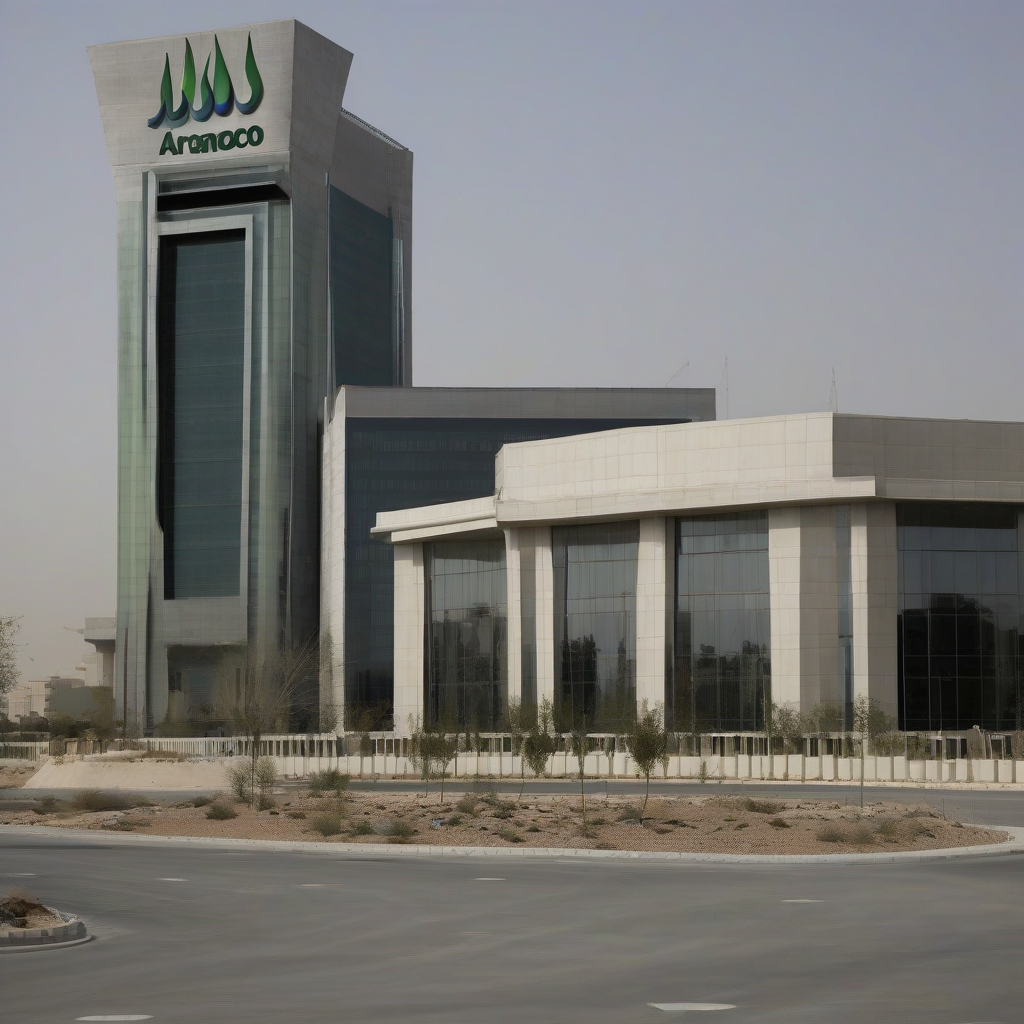
Saudi Aramco has announced a significant financial gain, reporting a 33 percent increase in its second-quarter profit. According to Rigzone, this substantial growth in earnings is primarily attributed to a sharp rise in global oil prices fueled by ongoing international conflict.
The energy giant, which maintains a dominant position in the global petroleum supply chain, has seen its financial performance strengthen alongside the broader commodity market. While macroeconomic conditions have fluctuated, the company's ability to capitalize on elevated price points has resulted in a marked improvement in its quarterly bottom line.
Financial Performance Data
| Metric | Change/Performance |
|---|---|
| Q2 Profit Growth | 33% increase |
| Primary Driver | Elevated oil prices |
This performance reflects the company's strategic alignment with current global energy market conditions. As an entity often monitored by institutional investors and global regulatory bodies, Aramco's disclosures provide a clear indicator of the state of the crude oil sector. Market observers frequently cross-reference these results with filings submitted to relevant regulatory entities to gauge the health of oil-dependent economies.
Why It Matters
The surge in Saudi Aramco’s profitability underscores the extreme sensitivity of global energy markets to geopolitical instability. When major producers realize double-digit profit growth due to conflict-driven price spikes, it indicates that supply chain premiums remain high. This volatility complicates inflation forecasting for central banks and forces downstream industries to re-evaluate their operational expenditure strategies. Sustained high earnings for state-backed oil producers often lead to shifts in sovereign wealth allocation, which can redirect capital into alternative energy and infrastructure projects worldwide, effectively linking regional conflicts to global investment flows.
Reader Discussion & Insights