
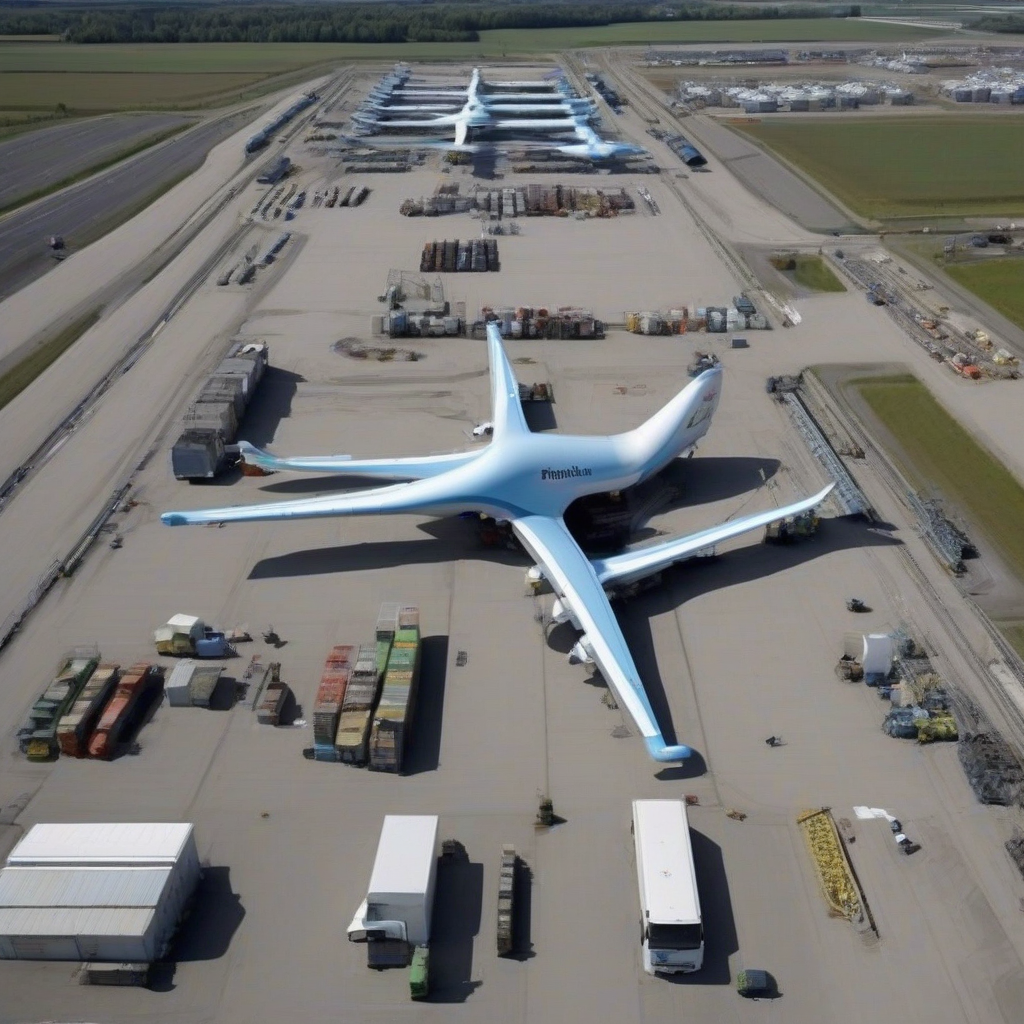

According to Semafor, security authorities have recovered an armed, explosive-laden drone at a major German airport. The device was located within one of the busiest freight terminals in Europe, situated in close proximity to cargo planes linked to Ukraine. While the drone failed to detonate due to a malfunctioning component, the incident is being treated by security analysts as a targeted escalation of hostile activities.
Incident Technical Specifications
The drone carried a payload of roughly 1.5 lb of explosive material. Experts maintain that even this quantity of ordnance would have been sufficient to inflict considerable damage upon a stationary aircraft had the detonator functioned as intended. The recovery of the device follows an ongoing trend of aerial incursions and security probes within NATO territories.
| Feature | Specification |
|---|---|
| Explosive Weight | Roughly 1.5 lb |
| Primary Concern | Potential damage to cargo aircraft |
| Location Type | Major European freight terminal |
In addition to this recovery, regional security reporting highlights a pattern of aggressive actions. In September, a group of 20 drones crossed into Polish airspace, further signaling a shift in aerial tactics. These events coincide with ongoing concerns regarding surveillance operations directed at sensitive military infrastructure. Observers indicate these acts represent a broader hybrid strategy aimed at testing the resolve of European alliances and exploiting gaps in regional security frameworks.
Why It Matters
This incident highlights a critical vulnerability in global logistics networks, specifically regarding the security of peripheral airport zones where high-value cargo operations occur. For the aviation industry, the implication is that cargo hubs are now primary targets for hybrid warfare, shifting the burden of surveillance from standard anti-terrorism measures to more comprehensive, state-level defense strategies. As supply chains remain tightly integrated with geopolitical stability, any increase in sabotage risk necessitates a transformation in how freight terminals manage drone detection and perimeter defense, likely driving up insurance premiums and operational costs for international air cargo operators.
Reader Discussion & Insights