
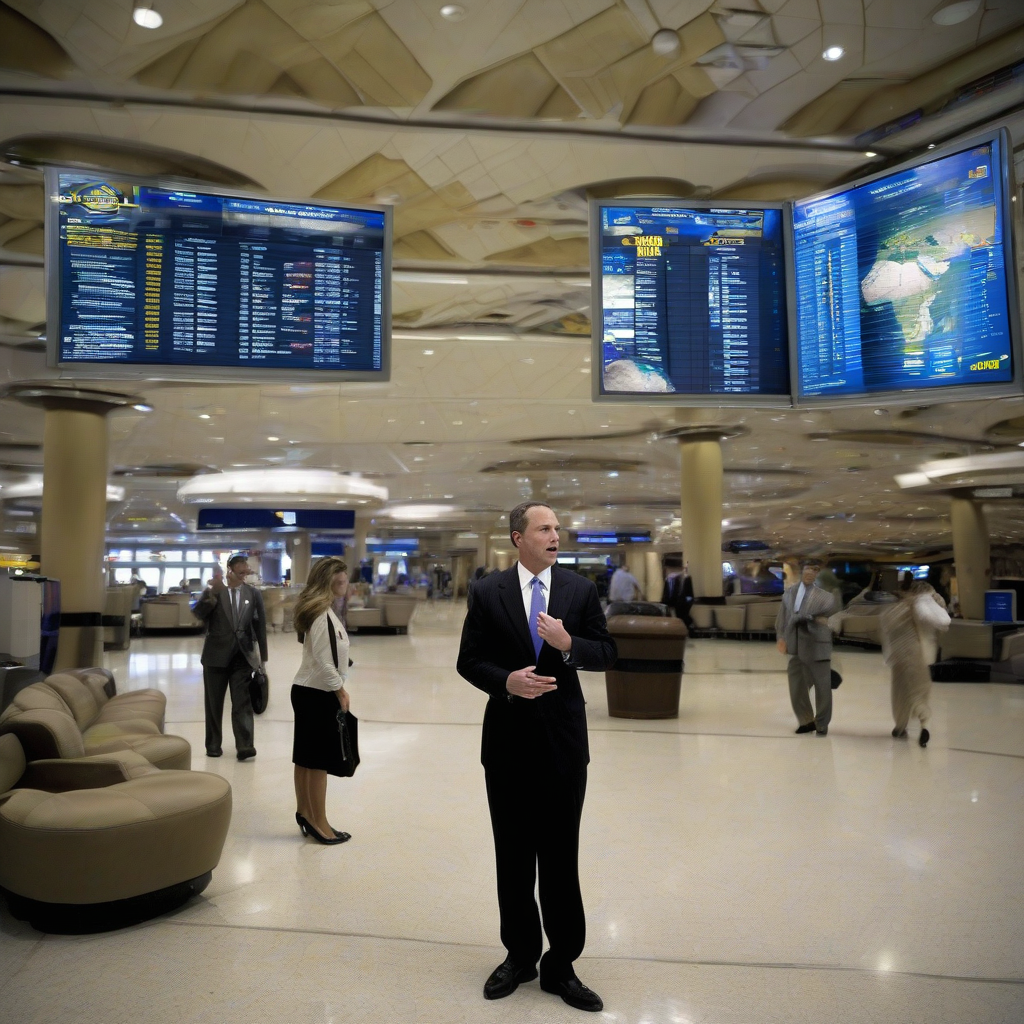

Royal Caribbean Group CEO Jason Liberty recently offered an analysis of the United States' economic position, emphasizing the durability of the nation's financial foundations, according to Royal Caribbean. The discussion, featured on CNBC, provided an executive look at how broader economic conditions influence the cruise and leisure industry.
During his appearance, Liberty examined the factors currently driving consumer demand within the cruise sector. By evaluating national economic indicators and employment trends, the executive explained how the company interprets the spending habits of American travelers. The analysis focused on how domestic economic performance facilitates sustained interest in cruise vacations, despite shifting global market conditions.
While specific quarterly financial results or fleet expansion figures were not the primary focus of this discussion, the company’s leadership maintains a strategic view on how national economic policy impacts leisure spending power. According to Royal Caribbean, the firm continuously monitors these metrics to calibrate its capacity and operational strategies across its global fleet.
| Industry Metric | Analysis Perspective |
|---|---|
| Consumer Sentiment | High resilience reported |
| Domestic Spending | Steady demand patterns |
| Strategic Outlook | Expansion-focused |
Why It Matters
The executive commentary reflects a broader trend among major travel corporations to align fleet deployment with US economic health. As leisure travel becomes an increasingly significant portion of discretionary spending, the ability of cruise operators to predict and respond to macroeconomic shifts serves as a bellwether for the wider hospitality sector. This reliance on the American consumer as a primary growth driver suggests that cruise line profitability remains tightly linked to US Federal Reserve interest rate policies and overall employment figures, necessitating agile management of capital expenditure and passenger capacity.
Reader Discussion & Insights