
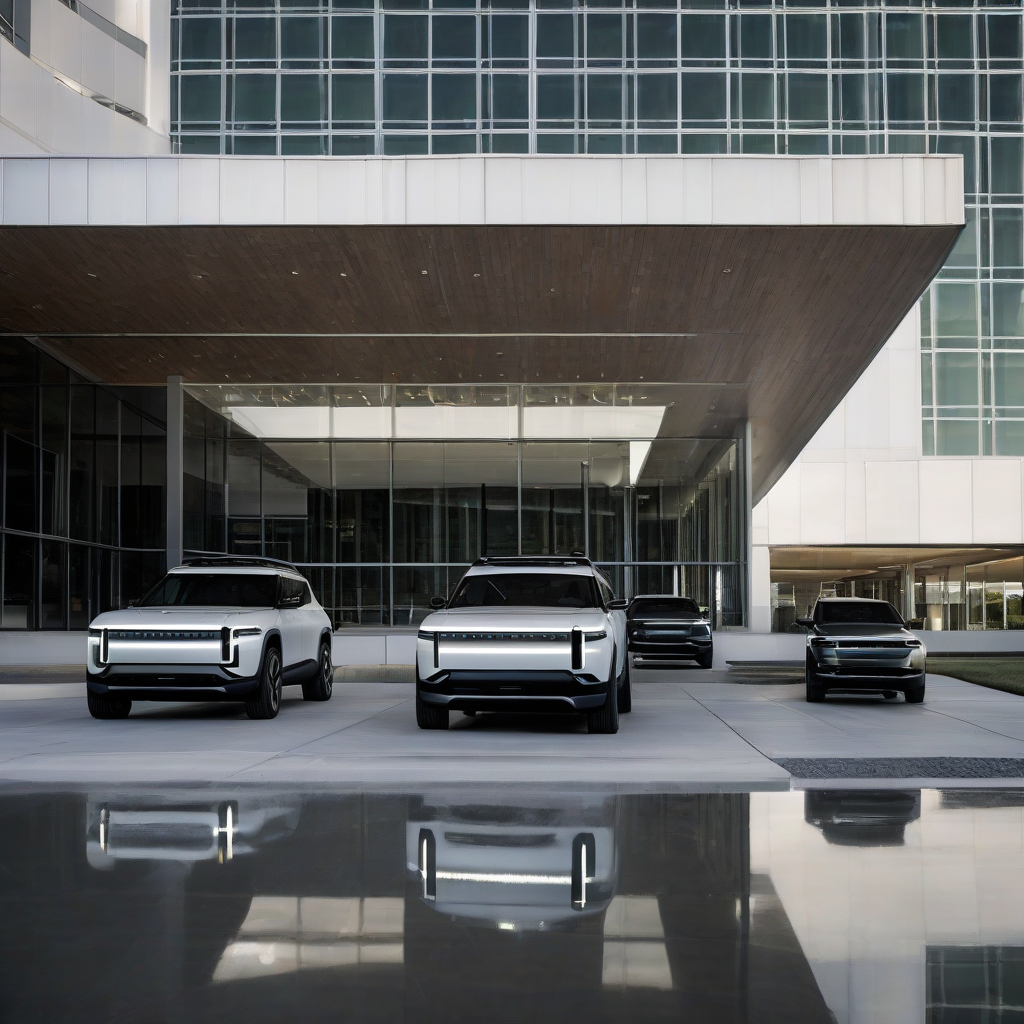
A retail dispute has surfaced involving a Rivian electric vehicle purchased for $62,000, which has become a point of contention between the buyer and his retired parents. According to Rivian, the purchase price of the unit was $62,000, yet the intended recipients have expressed a desire for the vehicle to be removed from their possession. Despite the parents' request to divest the vehicle, the owner has refused to sell it for $66,000.
The situation highlights the complexities of vehicle acquisition and family financial dynamics within the growing electric vehicle consumer market. While the specific model variant was not disclosed, the transaction highlights a discrepancy between the initial capital outlay and the current perceived resale value in the private market.
Vehicle Transaction Summary
| Item | Value |
|---|---|
| Original Purchase Price | $62,000 |
| Potential Resale Offer | $66,000 |
| Net Profit Potential | $4,000 |
Why It Matters
This incident underscores the broader trend of non-traditional consumer experiences with direct-to-consumer automotive sales models. As manufacturers like Rivian bypass traditional dealership networks, the lack of an immediate, standardized trade-in or return protocol can exacerbate interpersonal disputes when a high-value purchase does not meet the expectations of the intended end-user. Furthermore, the willingness of the owner to decline a $4,000 premium over the initial purchase price suggests that consumer attachment to electric vehicle technology remains high, even when the primary drivers—in this case, the retirees—are disinclined to operate the machinery.
Reader Discussion & Insights