
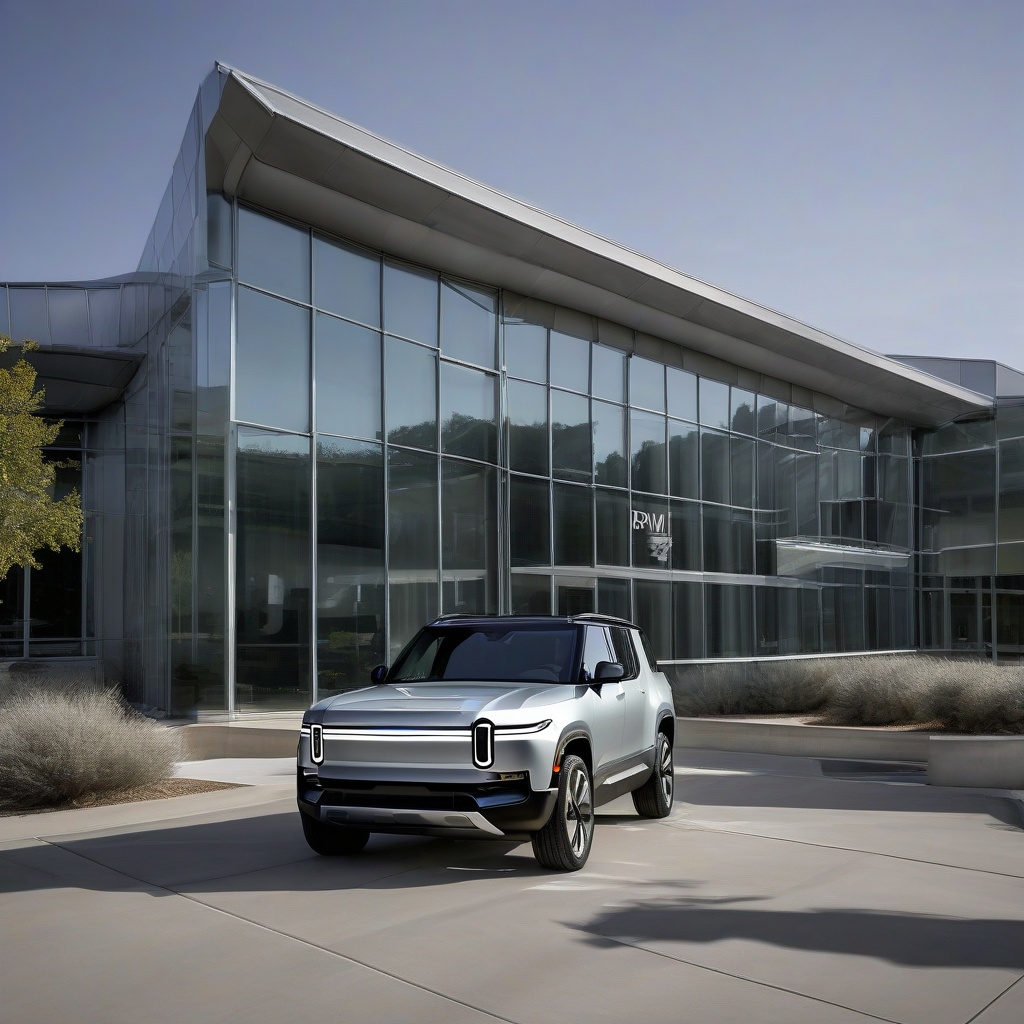
Rivian has provided a detailed look into its manufacturing standards by showcasing a distinctive half-painted R1S SUV. According to Rivian, this visual demonstration serves to emphasize the complexity and technical precision required in the company's paint application process. By displaying an R1S with only a portion of the final finish applied, the automaker is highlighting the layers involved in achieving its signature aesthetic and protective vehicle coatings.
Manufacturing Precision Overview
The demonstration reflects the manufacturer's focus on material science and robotic application accuracy. While the company did not provide specific chemical formulas for its paint, the visual evidence underscores the steps taken to ensure uniformity across the vehicle's panels. The R1S, a flagship product for the brand, features body lines that require consistent coverage to maintain the brand’s industrial design language.
| Feature | Detail |
|---|---|
| Vehicle Model | R1S |
| Focus Area | Paint Application & Quality Control |
| Demonstration Method | Partial Finish (Half-and-Half) |
| Primary Objective | Showcase Manufacturing Rigor |
According to Rivian, maintaining high-grade paint standards is vital for vehicle longevity, especially given the environmental stressors encountered by electric SUVs. The process involves multiple stages, from priming to final clear-coat application, all calibrated to minimize human error and material waste within the factory environment.
Why It Matters
Automotive aesthetics and paint durability are increasingly significant factors for consumers in the premium electric vehicle segment. As legacy manufacturers and startups like Rivian compete for market share, visible quality control processes serve as a critical marketing tool. By pulling back the curtain on the assembly line, Rivian attempts to build consumer trust in the long-term reliability of its exterior finishes. For the broader industry, this transparency regarding manufacturing processes signals a move toward addressing historical criticisms of early EV build quality, forcing competitors to prioritize finish consistency alongside powertrain performance.
Reader Discussion & Insights