
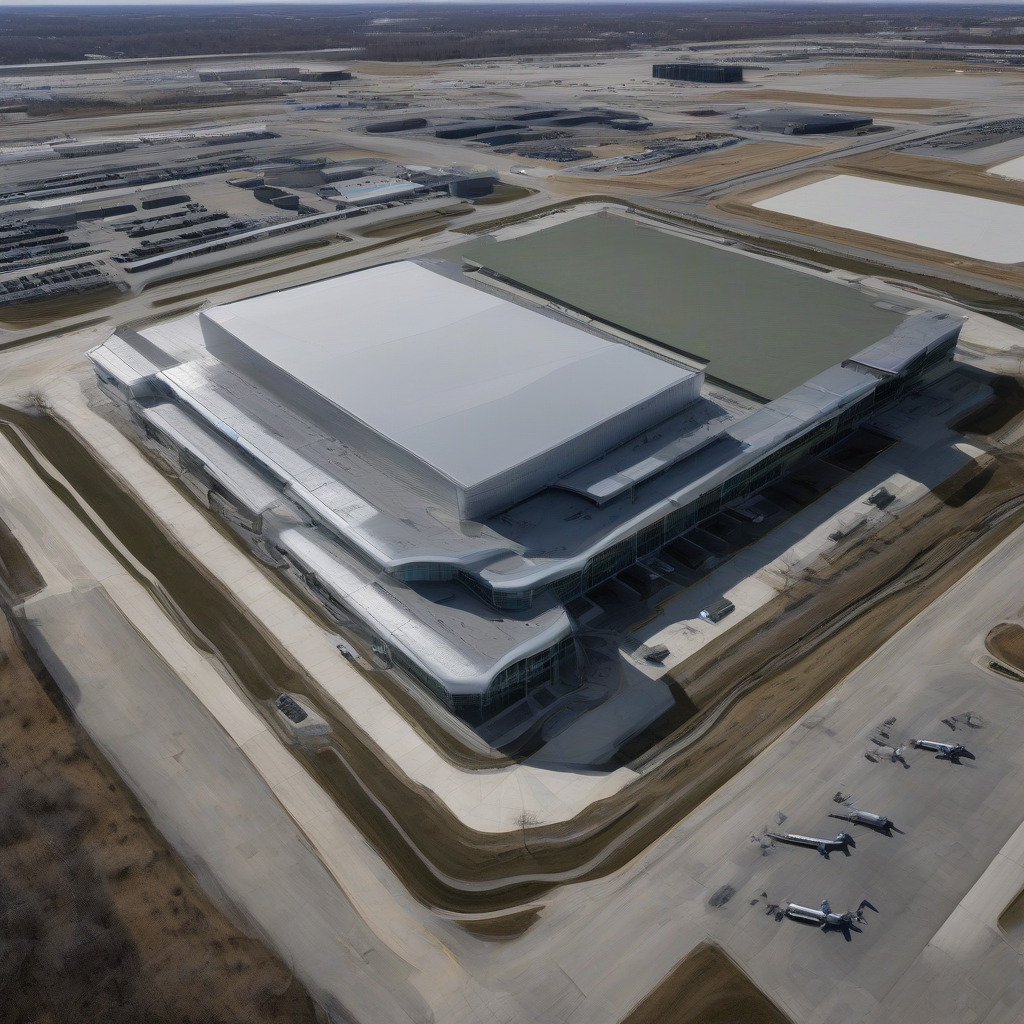
Rivian has officially confirmed plans to add a second shift to its R2 assembly line, signaling an increase in production efforts for its highly anticipated electric vehicle platform, according to Rivian.
Production Scaling and Operations
This operational expansion is designed to accommodate the manufacturing requirements of the R2 model, which represents a fundamental pillar of the company's growth strategy. By shifting to a two-shift schedule, the company aims to optimize its facility throughput and manage the labor demands associated with high-volume electric vehicle manufacturing.
| Operational Detail | Status/Description |
|---|---|
| Assembly Line | R2 Production Line |
| Shift Structure | Transitioning to Second Shift |
| Primary Goal | Capacity Expansion |
Context and Official Outlook
The announcement aligns with the company's broader disclosures provided to the SEC and other regulatory bodies regarding its long-term manufacturing roadmap. Maintaining a two-shift operational cycle is a standard practice for automotive original equipment manufacturers looking to decrease overhead costs per unit while meeting projected order volumes.
Why It Matters
Adding a second shift is a significant indicator of production readiness. For the electric vehicle industry, this move demonstrates that Rivian is moving past the pilot phase and into serious industrialization. It suggests that the supply chain, tooling, and labor force are reaching the stability required for mass-market availability. This transition reduces the time-to-market for the R2, which is critical as the company faces increased competition from legacy manufacturers also accelerating their EV output. Reliable, high-volume production remains the most important factor in long-term fiscal health for new-age automotive companies.
Reader Discussion & Insights