
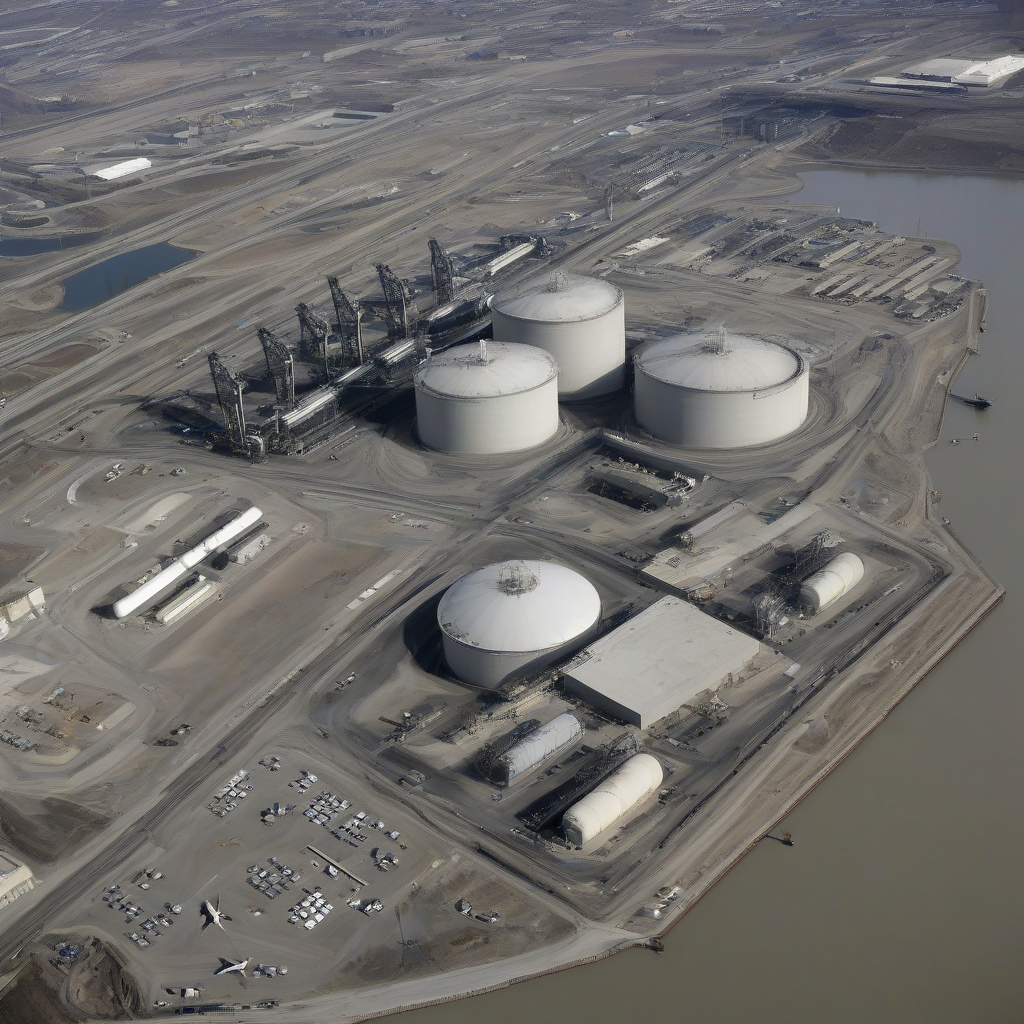
According to Rigzone, a growing flotilla of Iranian oil tankers is currently idling off the coast of the country. This accumulation of vessels suggests that international efforts, specifically those led by the United States, to restrict the nation's energy exports are yielding visible logistical constraints for Tehran’s maritime trade operations.
The increase in stationary tankers indicates a tightening of market access for Iranian crude. By maintaining these vessels in a static state, the data suggests that standard export routes are being disrupted by geopolitical pressures and enforcement measures. These tankers, designed for the transport of crude oil, represent significant stalled capacity that would otherwise be integrated into the global energy supply chain.
Current Maritime Observations
| Vessel Status | Location | Observed Impact |
|---|---|---|
| Idling/Stationary | Iranian Coastline | Export Stagnation |
| Operational Status | Restricted | Reduced Market Access |
Regulatory monitoring bodies often track such patterns to evaluate the efficacy of energy sanctions. When tankers remain off the coast for extended durations, it often serves as a proxy metric for the success of enforcement policies aimed at limiting revenue streams generated by oil sales. As these ships await deployment, their presence underscores the friction between regional energy production and current international oversight mechanisms.
Why It Matters
The buildup of idle tanker capacity creates a significant secondary impact on global shipping logistics and freight rates. As vessels are removed from active circulation to store unsellable inventory, the total available tonnage for regional shipping decreases. This contraction can lead to heightened volatility in spot freight rates for other market participants. Furthermore, the insurance landscape for vessels operating near these zones often shifts, as underwriters reassess the risk associated with tankers potentially carrying sanctioned cargo. This ripple effect forces neutral carriers to demand higher premiums, ultimately reordering the economics of mid-east maritime logistics.
Industry analysts are now looking toward upcoming monitoring reports to determine if these vessels will remain anchored or if Tehran will seek alternative methods to discharge its crude. The ability to move this volume of oil is a primary indicator of whether current international economic policies are successfully stifling revenue or merely pushing the trade into increasingly opaque, non-traditional shipping channels.
Reader Discussion & Insights