
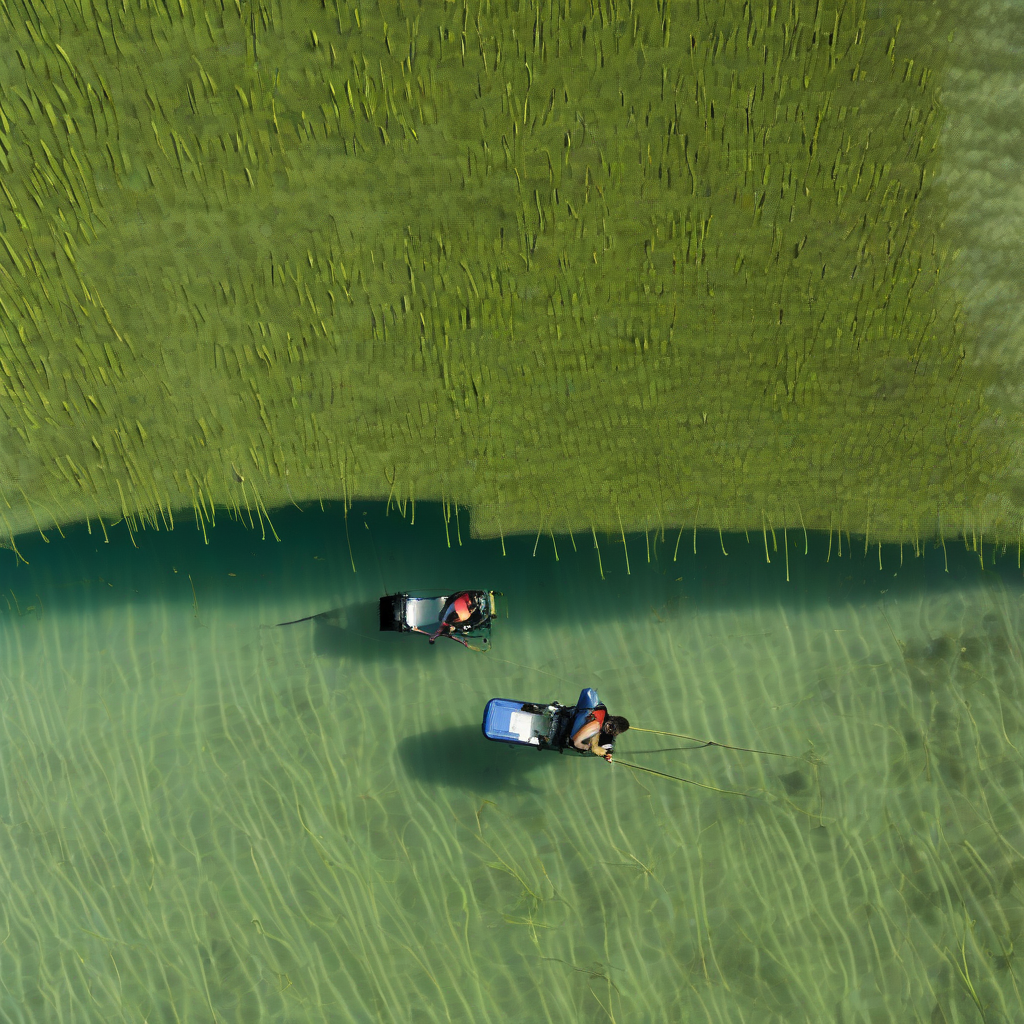
Coastal ecosystems may see improved restoration success rates following the identification of a resilient native seagrass species capable of withstanding environmental pressures. According to Phys.org, these underwater vegetation systems serve as fundamental components for marine habitat health, playing a primary role in stabilizing ocean sediments and filtering water contaminants.
The global ecological crisis regarding these maritime habitats is significant, as nearly 20% of the world's historic seagrass cover has been depleted. Restoration projects tasked with replenishing these vital meadows have historically struggled with high failure rates, largely due to the sensitivity of the plants to changing water quality and temperature fluctuations.
Restoration Data Breakdown
| Indicator | Status/Figure |
|---|---|
| Global historic cover loss | 20% |
| Primary ecosystem function | Sediment stabilization |
| Target restoration goal | Habitat recovery |
Efforts to scale up restoration projects often involve navigating strict environmental regulations overseen by agencies such as the National Oceanic and Atmospheric Administration (NOAA) in the United States and similar environmental protection bodies globally. By selecting more resilient native varieties, developers can expect to reduce the overhead costs associated with repeated replanting efforts that typically follow the collapse of non-durable seagrass strains.
Why It Matters
The identification of hardy seagrass species introduces a new variable into the coastal engineering and blue carbon economy. As organizations look to offset carbon footprints through nature-based solutions, the ability to ensure the long-term survival of marine vegetation becomes a fiscal necessity rather than just an ecological preference. By minimizing the high failure rate of previous restoration attempts, investors and government agencies can more accurately forecast the ROI on environmental remediation projects, potentially turning restoration into a scalable market-grade asset class.
Reader Discussion & Insights