
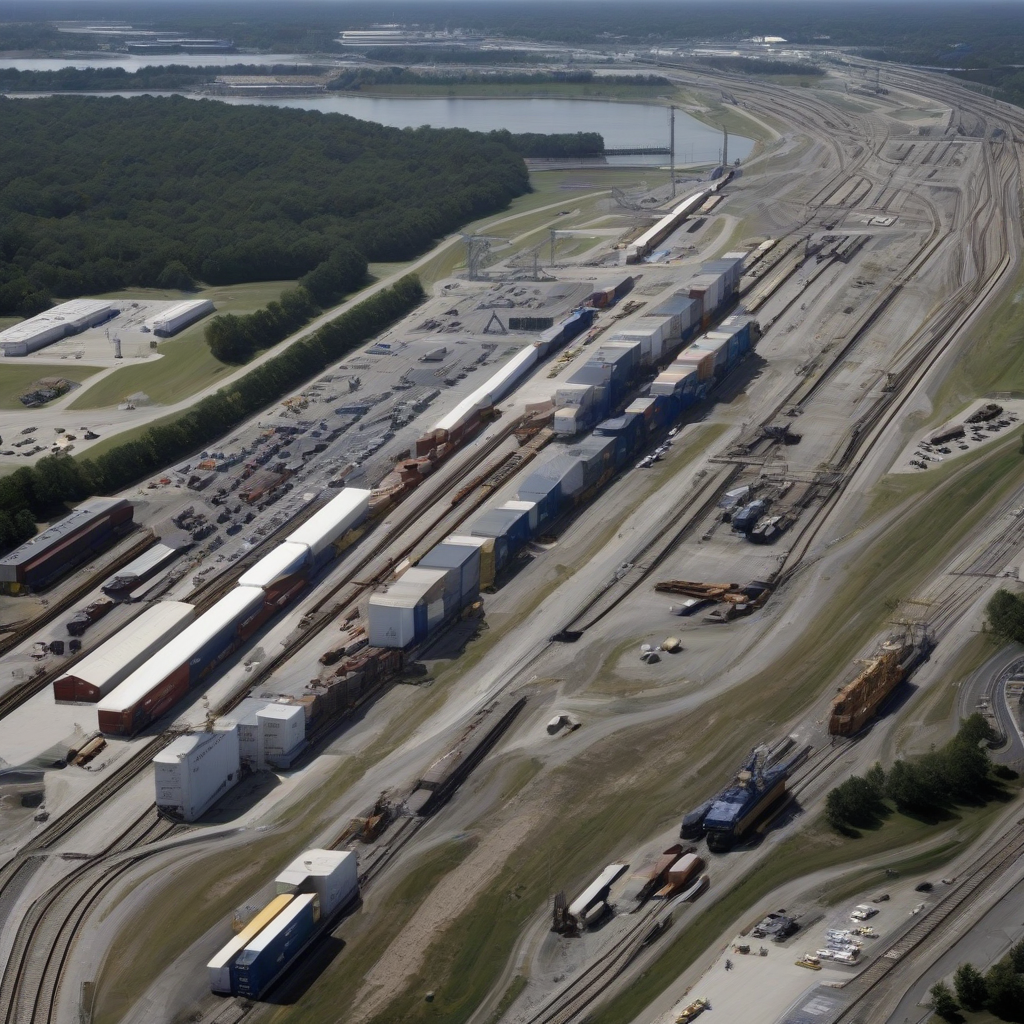
The Port of Virginia has expanded its logistics network by establishing a direct CSX rail service connecting its marine terminals to Indianapolis. This new intermodal route allows containers to move inland without requiring transit through Chicago or subsequent south-bound trucking, according to Supply Chain Dive.
Operational Shift
Previously, cargo bound for the Indianapolis region via the Port of Virginia often necessitated routing through the Chicago rail hub, followed by secondary truck transport to final destinations in Indiana. By utilizing a direct CSX rail link, shippers can reduce the reliance on congested rail terminals in the Midwest and minimize road-based transportation legs. This route is expected to streamline cargo flow by moving goods directly into the target market, as indicated by a railroad spokesperson.
| Route Attribute | Details |
|---|---|
| Origin Terminal | Port of Virginia |
| Destination Hub | Indianapolis, IN |
| Rail Provider | CSX |
| Primary Benefit | Bypass Chicago intermodal hubs |
Strategic Logistics Impact
This expansion aligns with broader efforts by major US ports to optimize supply chain velocity. By creating a direct corridor to Indianapolis, CSX and the Port of Virginia aim to reduce lead times and decrease carbon emissions associated with long-haul trucking from Chicago. Regulatory bodies such as the Surface Transportation Board (STB) track these regional infrastructure enhancements as indicators of domestic network efficiency.
Why It Matters
Direct-to-market rail services are critical for maintaining supply chain resilience in the post-pandemic era. By bypassing the Chicago 'bottleneck,' the Port of Virginia gains a competitive edge in attracting shippers who are increasingly sensitive to transit delays and fuel surcharges. This shift signals a long-term transition toward localized rail distribution hubs that favor speed and reliability over volume-concentrated legacy hubs. As domestic manufacturing grows, efficient rail corridors will become the primary differentiator for industrial logistics centers seeking to control inventory holding costs effectively.
Reader Discussion & Insights