
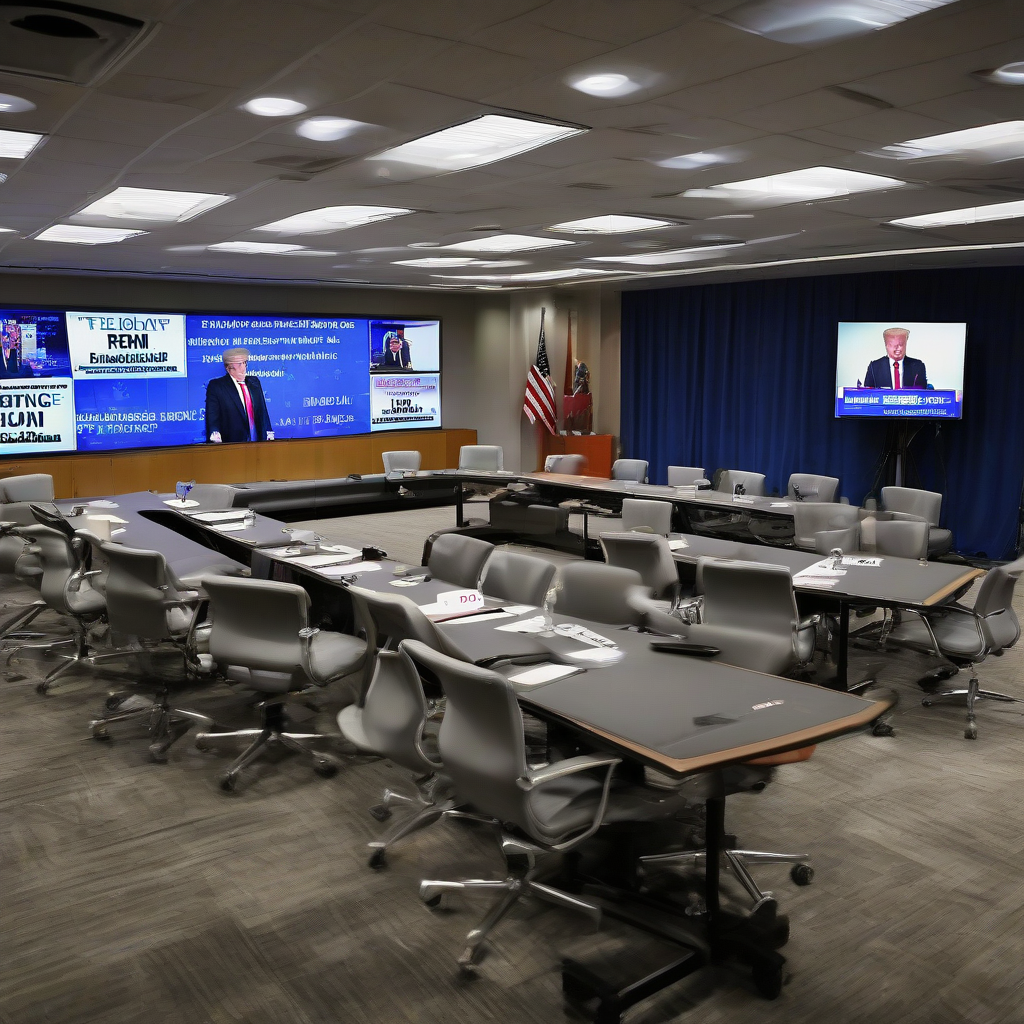

Canadian Prime Minister Mark Carney openly mocked U.S. President Donald Trump during a housing policy briefing in Toronto on Wednesday. While delivering a speech at a construction site, Carney’s teleprompter suffered a technical failure mid-address. Addressing the interruption in English before reverting to French, Carney stated, “I would now like to inform you that the teleprompter has ceased to function. Unlike a certain world leader, I do not view this as a conspiracy.”
According to TIME, the remark served as a direct critique of claims made by President Trump following a similar equipment failure during his address at the United Nations General Assembly in New York last September. During that incident, Trump suggested the error was a deliberate act of “sabotage,” noting that he would be sending a formal letter to the Secretary General demanding an investigation. Trump’s reaction to the U.N. incident also included complaints regarding sound quality and a separate issue involving a stalled escalator that he labeled as part of the same alleged coordinated interference.
Following the Toronto incident, President Trump continued his criticism of Canadian leadership during a scheduled appearance at the Red Rock Casino Resort in Las Vegas, Nevada. Trump specifically condemned the nation's trade policies, stating, “Canada’s nasty. They are, they’re nasty. I love the people, but they’re nasty, nasty leadership.” This latest verbal sparring occurs against a backdrop of deteriorating diplomatic relations, exacerbated by trade disputes that have persisted throughout the year.
| Event | Location | Key Detail |
|---|---|---|
| Housing Briefing | Toronto | Teleprompter failure |
| UN Address (Sept) | New York | Trump alleged sabotage |
| Campaign Speech | Las Vegas | Trump 50% tariff comment |
Why It Matters
The ongoing public friction between Prime Minister Carney and President Trump signals a period of heightened instability for North American trade relations. With the U.S. government declining to renew the U.S.-Mexico-Canada Agreement in early July and moving to impose a 50% tariff hike on Canadian goods later that month, the political theater surrounding these events obscures the underlying volatility in cross-border supply chains. For industry stakeholders, the rhetoric suggests that trade policy remains a primary tool for political posturing, increasing the likelihood of further retaliatory measures following the recent rejection of previous tariffs by the Supreme Court.
Reader Discussion & Insights