
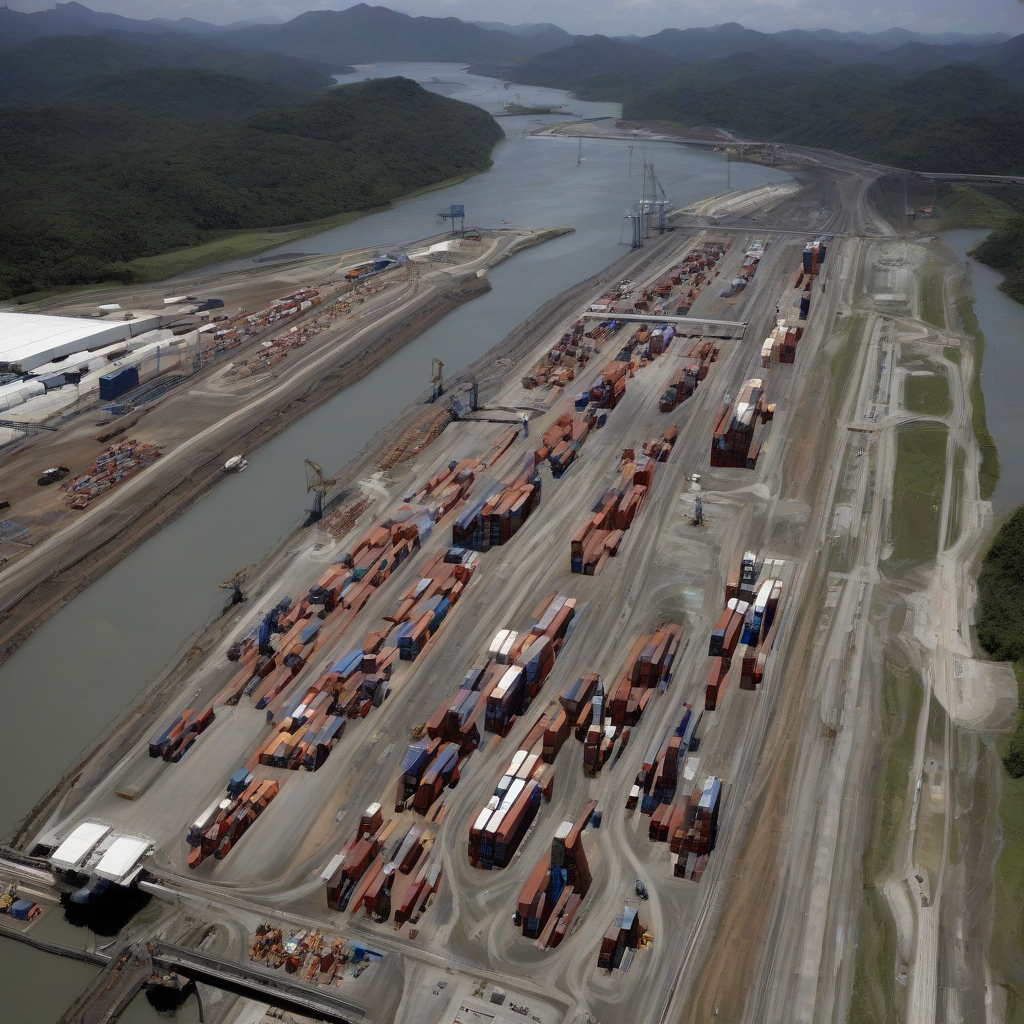

The Panama Canal Authority (ACP) has announced an impending reduction in vessel draft limits for its Neopanamax locks. According to gCaptain, these restrictions are a direct consequence of receding water levels within Gatun Lake, which serves as the vital reservoir for canal operations.
Operational Adjustments
The ACP's decision mandates that vessels transiting the Neopanamax locks must adhere to lower maximum draft requirements. This adjustment limits the amount of weight a ship can carry to ensure safe passage through the waterway. By restricting the draft, the authority aims to prevent vessels from making contact with the canal floor as the depth of the shipping lanes decreases due to the hydrological deficit in the lake.
| Facility | Restriction Type | Status | Waterway Impact |
|---|---|---|---|
| Neopanamax Locks | Draft Limit | Tightened | Capacity reduction |
| Gatun Lake | Water Levels | Declining | Operational constraints |
Official Context
The Panama Canal functions as a complex gravity-fed system. The operation of the locks requires significant volumes of fresh water from Gatun Lake. When rainfall is insufficient to maintain the necessary reservoir height, the ACP is forced to restrict vessel transit parameters. These measures are critical to maintaining the structural integrity and navigation safety of one of the world's most significant maritime trade routes. Stakeholders continue to monitor weather patterns and official ACP bulletins for real-time updates regarding transit availability.
Why It Matters
The recurring necessity for draft restrictions at the Panama Canal signals a shift in global supply chain reliability. For global logistics, these constraints create a bottleneck effect, forcing carriers to reduce cargo loads per vessel or divert freight to alternative routes. This inefficiency increases the cost-per-unit for shippers and complicates inventory planning for retailers globally. As the maritime sector balances immediate trade requirements against long-term climate variability, shipping companies must prioritize smaller, more agile vessels or consider intermodal alternatives to bypass the canal's physical limitations during peak drought seasons.
Reader Discussion & Insights