
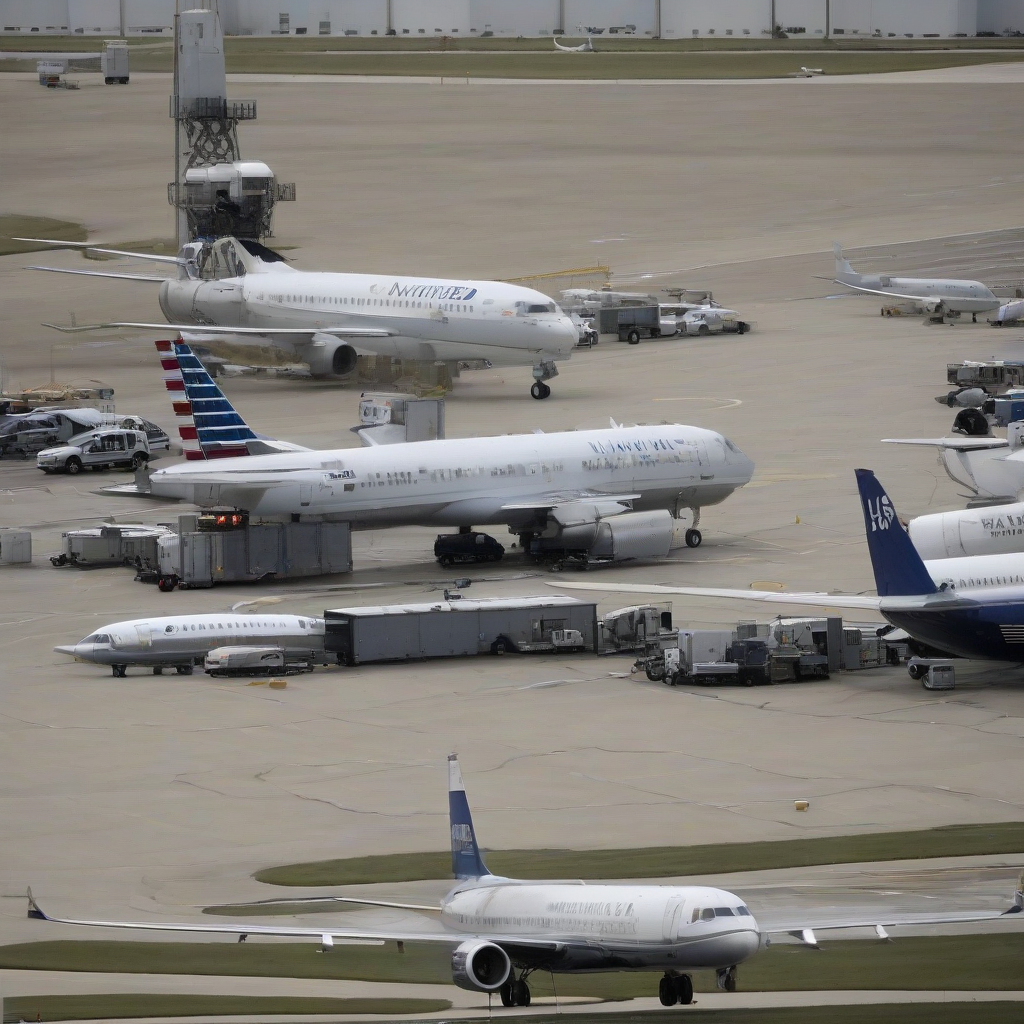
Aviation networks across the United States are currently experiencing significant instability, according to Airport Disruptions Tracker. The latest data indicates that travel operations have been heavily impacted, resulting in more than 1,350 flight delays and 181 confirmed cancellations across various domestic hubs.
Operational Impact Summary
| Disruption Type | Total Count |
|---|---|
| Flight Delays | 1,350+ |
| Flight Cancellations | 181 |
These disruptions arrive as carriers and airport authorities grapple with systemic operational pressures. While specific root causes are being evaluated by regulators including the Federal Aviation Administration (FAA), the volume of incidents suggests a widespread challenge affecting both legacy carriers and regional operations. Passengers are being advised to consult their respective airlines for real-time status updates, as the situation remains fluid.
Why It Matters
The current volume of delays and cancellations highlights the fragility of U.S. airspace management during periods of high demand. These recurring disruptions underscore a critical need for modernization within the National Airspace System. When regional delays surpass the 1,300-mark, it creates a ripple effect that compromises fleet utilization rates and long-term profitability for major air carriers. Furthermore, such operational instability often forces a re-evaluation of staffing requirements and ground-support scheduling, which directly impacts the bottom line and passenger satisfaction scores for the entire sector.
Reader Discussion & Insights