
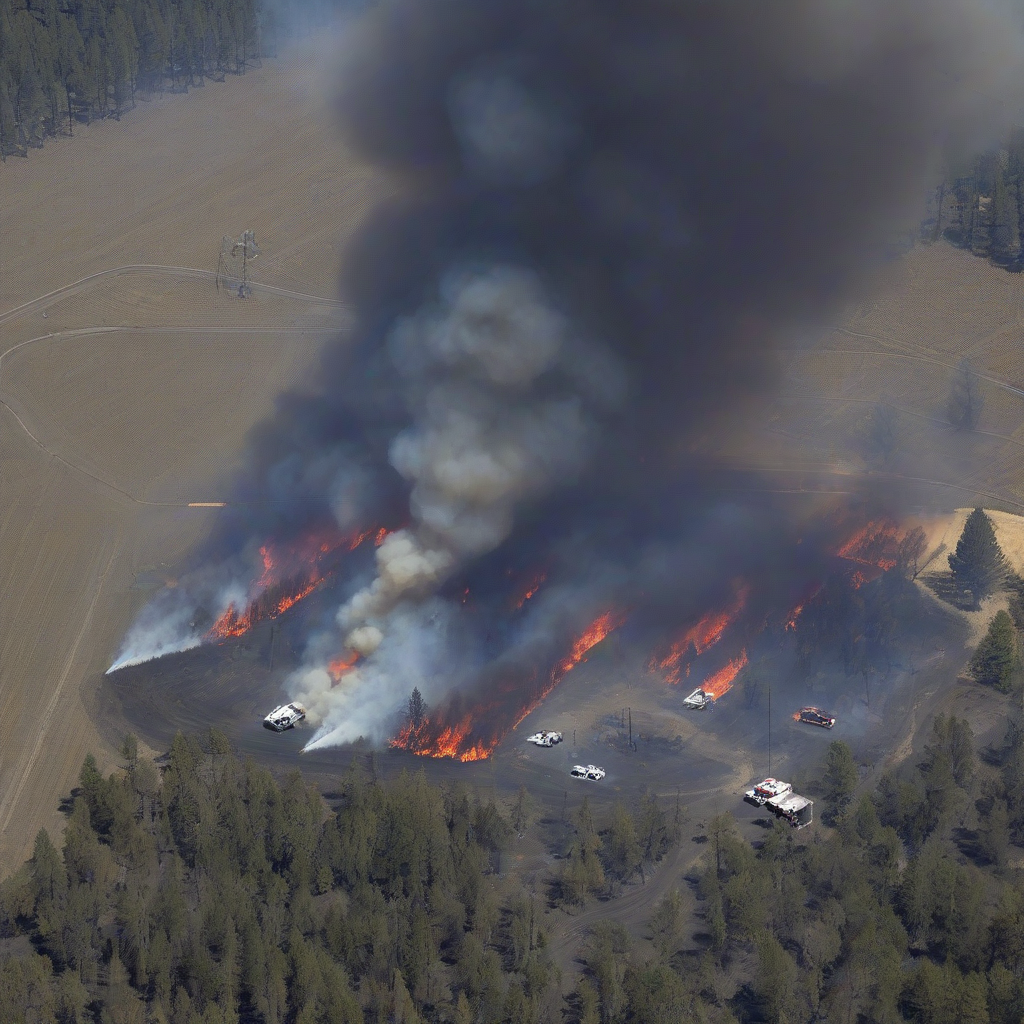
The Grasshopper Fire remains a primary point of concern for regional emergency management teams in Oregon as the blaze exhibits active westward movement. According to Wildfire News, the fire's progression continues to pose a challenge to containment efforts, forcing local authorities to remain on high alert for changing environmental conditions.
While specific acreage burned and precise containment percentages are fluctuating as ground crews work to establish perimeter lines, the fire's shift in trajectory has prompted increased surveillance of nearby forest zones. Emergency personnel are utilizing infrared mapping and satellite imagery to track the fire's expansion and assess potential threats to infrastructure in its projected path. Local weather forecasts remain critical, as shifting winds could influence the speed and direction of the fire line throughout the operational period.
Official monitoring is being conducted in coordination with state-level forestry departments and federal land management agencies. These bodies are tasked with maintaining fire breaks and evaluating the necessity of evacuation alerts for residents in proximity to the affected area. Regulatory oversight ensures that tactical decisions are balanced against public safety requirements, adhering to established protocols for wildland firefighting operations in the Pacific Northwest.
| Feature | Status/Detail |
|---|---|
| Fire Name | Grasshopper Fire |
| Location | Oregon, USA |
| Movement Direction | West |
| Oversight | Regional Emergency Management |
Why It Matters
The persistence of wildfires like the Grasshopper Fire highlights the deepening logistical risks to regional utility grids and supply chain pathways. As fire events grow in frequency, industries relying on consistent power distribution and transport infrastructure face escalating operational instability. Insurance firms are increasingly scrutinizing the long-term viability of assets located in high-risk zones, which may lead to significant shifts in premium pricing and coverage accessibility for businesses in the Pacific Northwest. This situation demonstrates the necessity for more integrated, data-driven disaster prevention strategies across the commercial sector.
Reader Discussion & Insights