
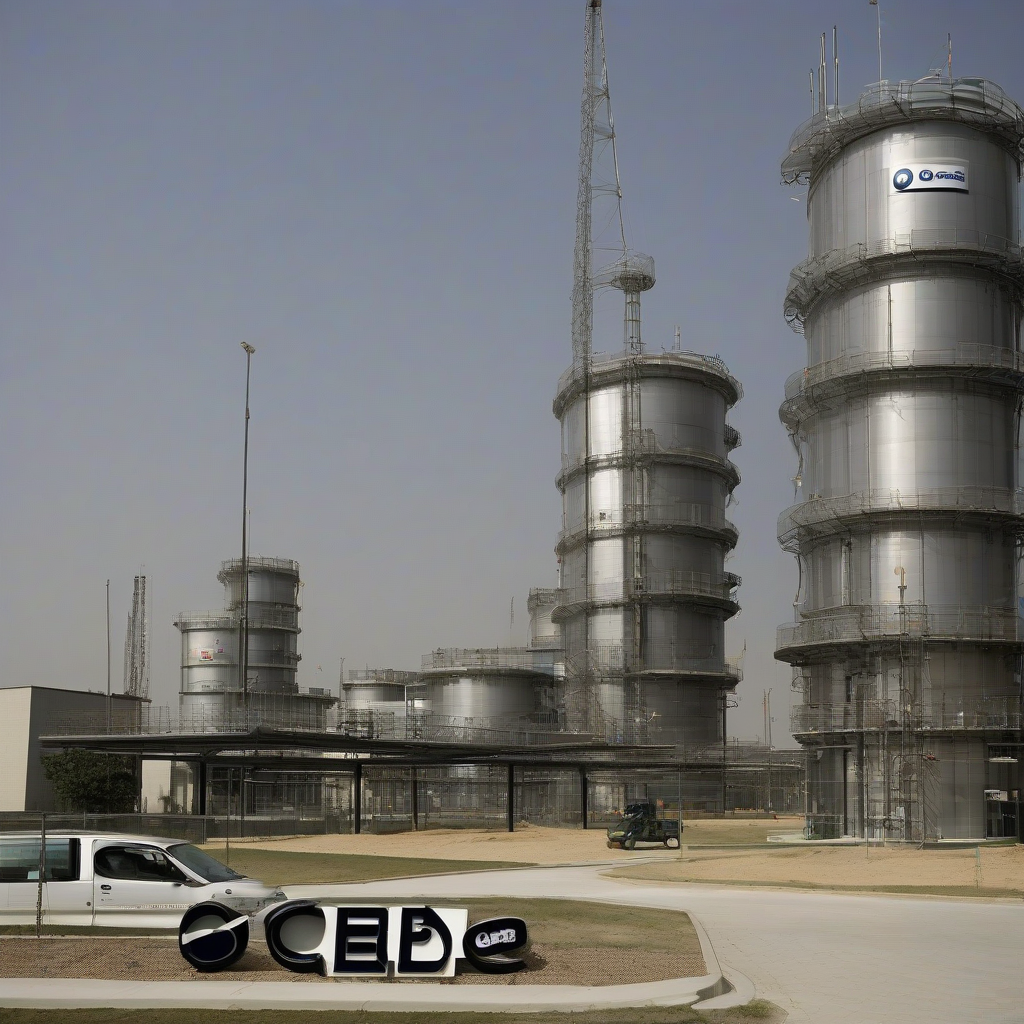
Global crude oil production within the Organization of the Petroleum Exporting Countries (OPEC) registered an increase during the month of July, according to OPEC data. This rise in supply was primarily directed by higher output levels from key Gulf member nations, who moved to adjust their production volumes amidst shifting market conditions.
The recent survey highlights that the collective production metrics for the cartel experienced a shift upward, marking a departure from previous months of strictly tighter supply quotas. While individual production targets for member countries remain monitored under the current framework of the OPEC+ alliance, the July figures underscore an active adjustment in output capacity among the bloc's most significant producers in the Middle East.
Production Overview
| Metric | Observation |
|---|---|
| Reporting Body | OPEC |
| Period | July |
| Primary Driver | Gulf Nations |
| Trend | Increased Output |
Financial analysts monitoring the sector note that these output adjustments are consistent with the ongoing strategies employed by major producers to balance global inventories against demand fluctuations. The data remains a focal point for global commodities desks, as any deviation in OPEC output directly influences benchmark crude prices, including Brent and West Texas Intermediate (WTI).
Why It Matters
The increase in July production reflects the delicate balancing act maintained by major oil-exporting nations. By adjusting supply flows, these countries influence market sentiment and price stability. For global energy markets, this move suggests that supply-side constraints are being managed with an eye toward preventing extreme price volatility. Investors should monitor how these production levels impact energy inflation metrics globally, as consistent output increases could alleviate pressure on energy-intensive sectors that have faced high input costs throughout the year.
Reader Discussion & Insights