
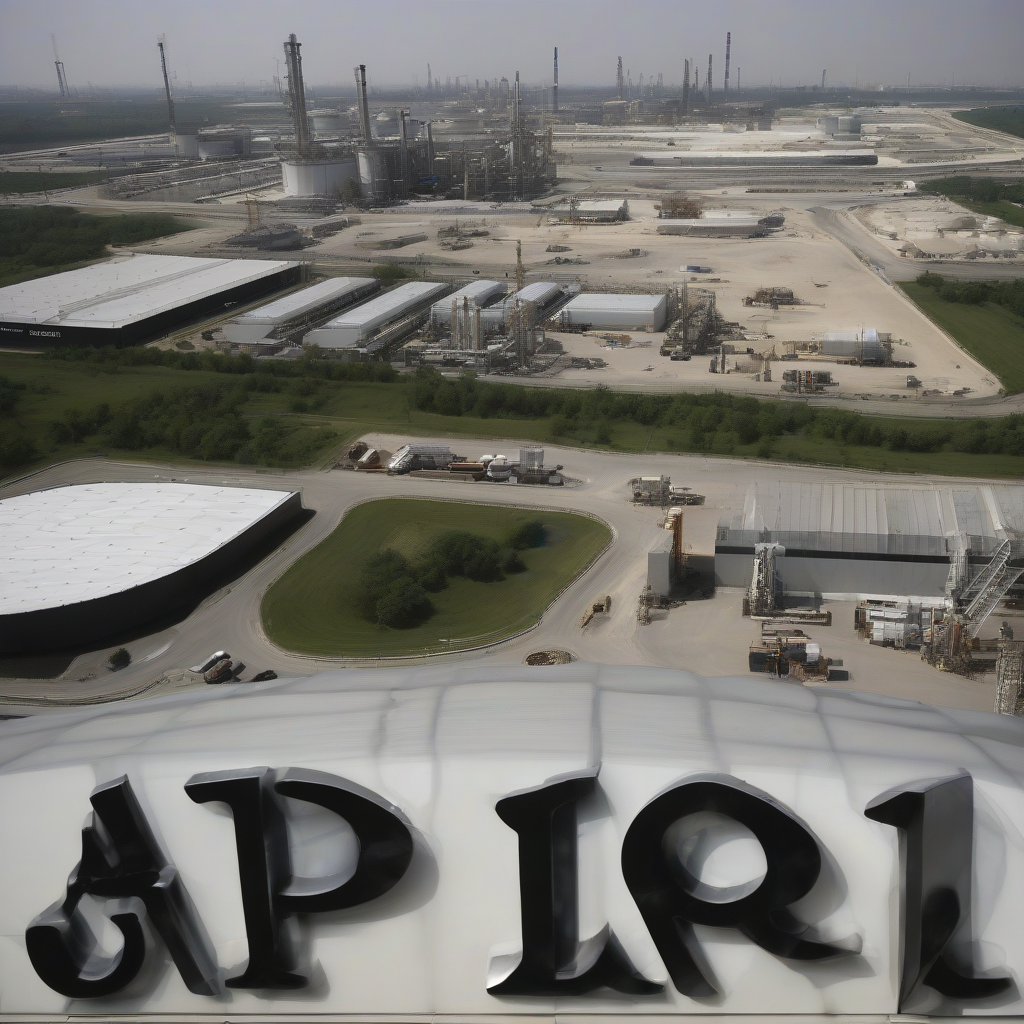
Crude oil production among OPEC member nations recorded an increase during the month of July. This rise in supply, according to OPEC, was primarily facilitated by higher output levels from oil-producing countries located in the Gulf region.
The uptick in production volume follows a period where supply adjustments remained a central focus for energy markets. While specific volume changes fluctuate based on internal quota agreements, the July performance highlights the continued influence of Gulf-based members on the cartel's total supply figures. The data suggests that internal production management continues to shift in alignment with the broader strategic objectives of these key exporting nations.
Production Overview
| Metric | Status |
|---|---|
| Reporting Period | July |
| Primary Driver | Gulf Nations |
| Trend | Increase |
Why It Matters
The expansion of output from Gulf nations indicates a calculated effort to maintain market share amid shifting global energy demand. When major producers increase supply, it directly impacts international benchmark prices, often leading to increased volatility for both consumers and downstream industries. This move suggests that OPEC remains willing to adjust its production targets to balance inventory levels against ongoing concerns regarding economic growth in major importing economies. Observers should monitor whether these supply adjustments signal a long-term shift in the organization's policy regarding its collective production ceiling.
Reader Discussion & Insights