
Brent crude prices experienced a sharp decline on Tuesday following indications that the United States is nearing a diplomatic agreement to reopen the Strait of Hormuz. According to Semafor, the news triggered a jump in equity markets even as the outlook for immediate consumer relief remains dim.
While oil futures are reacting to the prospects of stabilized transit in the region, the retail fuel market is constrained by factors independent of trader sentiment. President Donald Trump publicly criticized major oil corporations, including ExxonMobil and Chevron, for their failure to lower gasoline prices despite posting significant earnings reports.
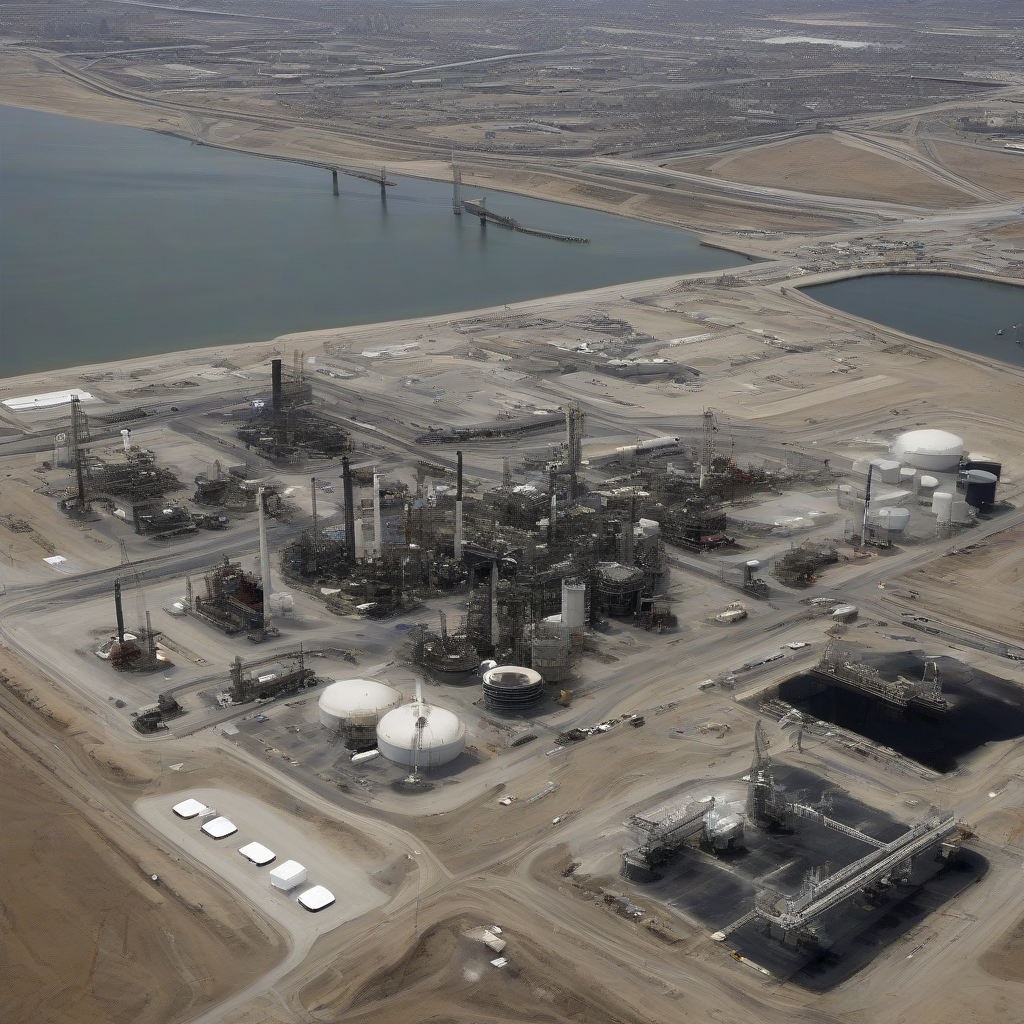
Analysts suggest that the gap between falling crude prices and high retail costs is driven by limited refinery capacity and ongoing disruptions to global supply chains, specifically linked to attacks on energy infrastructure in Ukraine. JPMorgan analysts have cautioned that should volatility in the Strait of Hormuz continue, US gasoline prices could climb back above $4.20 a gallon.
| Metric | Status/Projection |
|---|---|
| Brent Crude Market | Plunged (Tuesday) |
| Stock Market | Jumped (Tuesday) |
| Potential Gas Price Threshold | > $4.20 per gallon |
Why It Matters
The decoupling of crude oil futures from retail pump prices highlights a persistent lack of elasticity in the domestic downstream sector. Even when geopolitical risks subside, domestic refineries are operating at near-total capacity, leaving no buffer to absorb minor supply shocks. Furthermore, the reliance on aging infrastructure means that refinery outages—whether planned or forced by supply chain bottlenecks—will continue to keep retail prices sticky, regardless of the spot price of crude oil managed by global energy majors.
Energy analysts continue to monitor whether the proposed deal can genuinely mitigate maritime insurance premiums and transit risks that have inflated costs for energy carriers traversing the strait over the past fiscal quarter.
Reader Discussion & Insights