
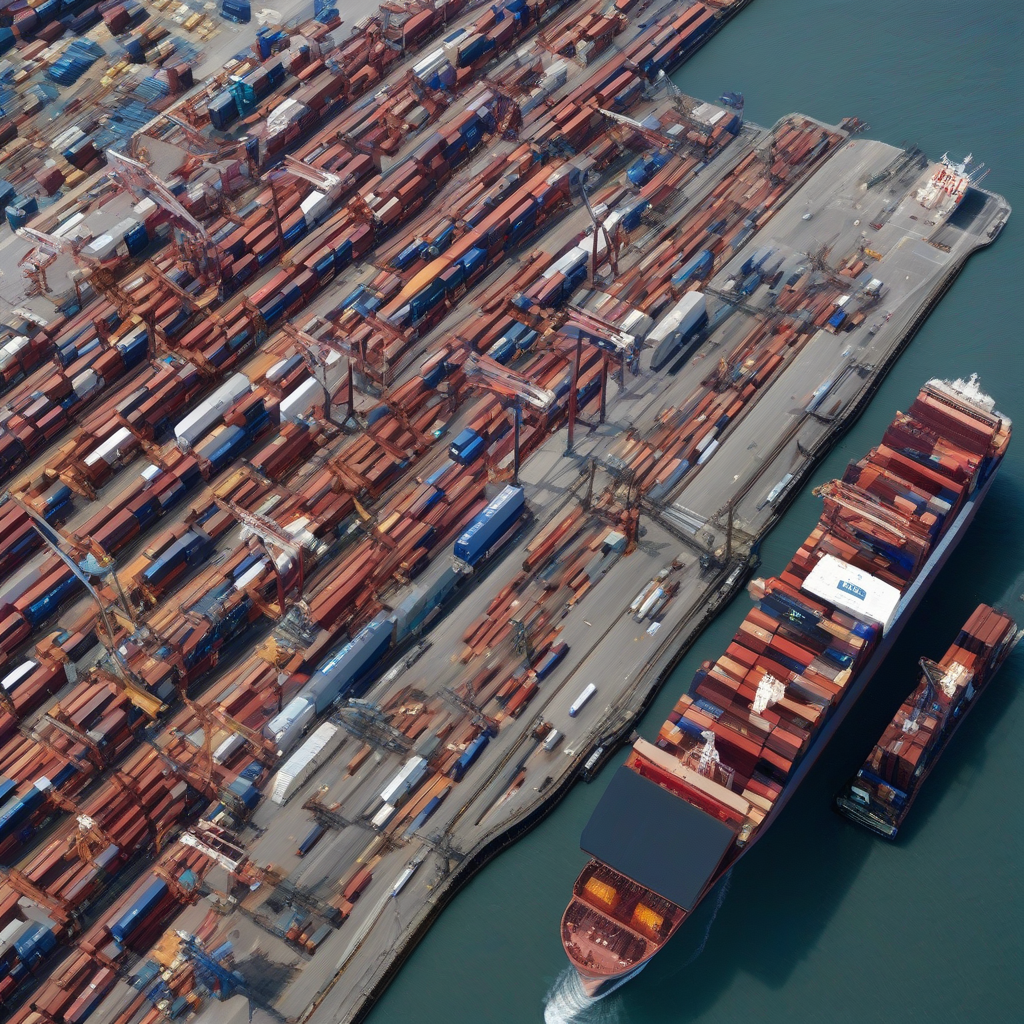
Global maritime transport costs experienced a sharp escalation, recording a 300% increase in ocean freight rates within a five-month timeframe, according to Shipping News. This rapid price adjustment highlights significant volatility within international logistics networks, impacting cost structures for importers and exporters alike.
The surge in pricing reflects a tightening of available capacity and shifts in global trade demand. While historical ocean freight pricing often remains stable, the identified 300% jump over five months indicates an atypical market environment driven by systemic bottlenecks and capacity management strategies employed by major shipping alliances.
Regulatory bodies and market analysts monitor these movements closely, as sustained elevated costs in the shipping sector frequently translate into inflationary pressures for consumer goods. The correlation between freight expenses and terminal pricing is a primary indicator often evaluated by the Federal Reserve when assessing cost-push inflation in the broader economy.
Ocean Freight Market Data
| Metric | Value |
|---|---|
| Freight Rate Increase | 300% |
| Observation Period | 5 Months |
Why It Matters
The rapid inflation of shipping rates forces companies to re-evaluate their inventory management strategies and logistics procurement models. When ocean freight costs rise by 300% in under half a year, businesses that operate on thin margins face immediate pressure to either absorb the costs or pass them onto consumers, potentially dampening retail demand. Furthermore, this trend often triggers a push toward near-shoring or regionalizing supply chains to reduce reliance on long-haul maritime routes that are increasingly susceptible to sudden, massive price spikes and operational disruptions.
Reader Discussion & Insights