
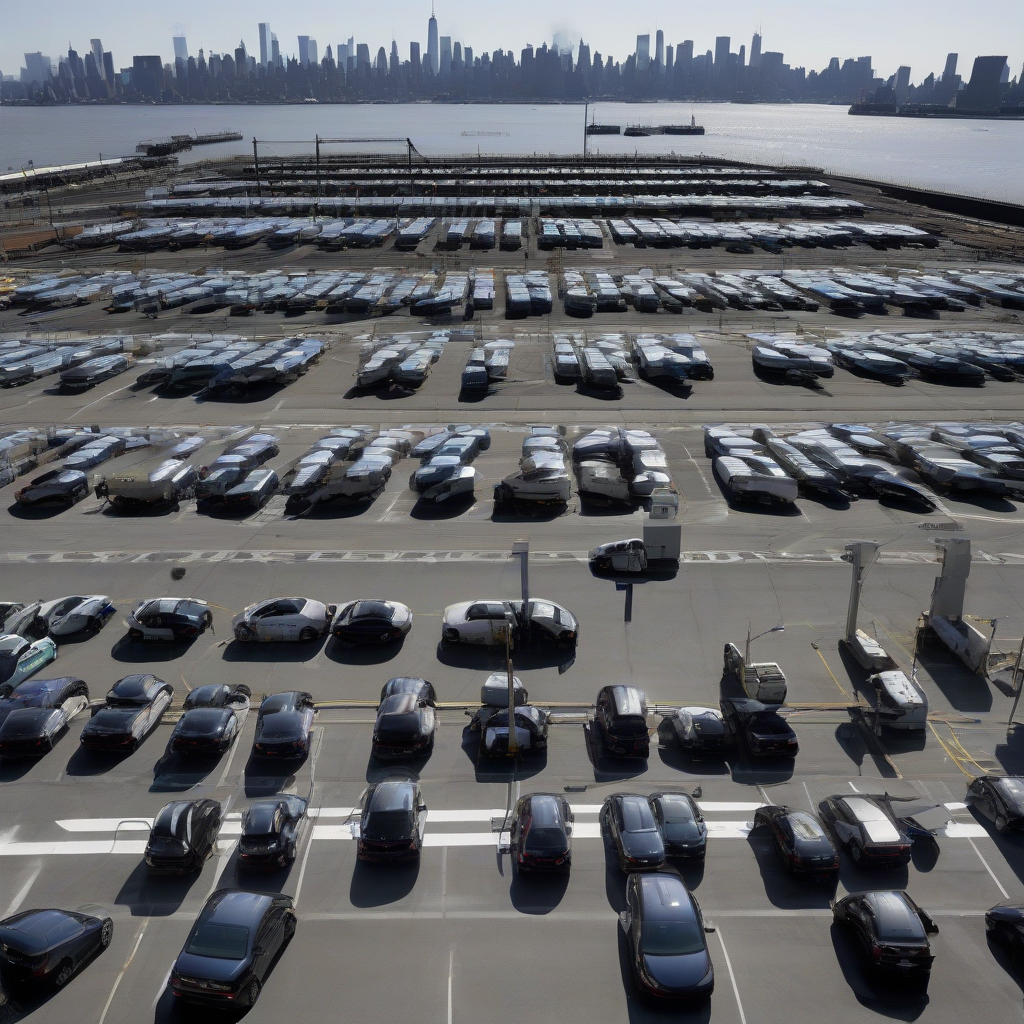

New York City has launched a significant expansion of its electric vehicle (EV) charging infrastructure, announcing the installation of 600 new curbside charging units to better serve the city’s growing population of EV owners. According to InsideEVs, this initiative represents a targeted effort to address the logistical challenges of charging in a high-density urban environment where private driveway or garage access is limited for many residents.
In addition to the 600 curbside stations, the city is diversifying its charging network by deploying localized infrastructure in parking facilities. Officials confirmed the addition of 92 new fast charging points alongside nearly 200 Level 2 plugs, which will be situated within city-operated parking fields and garages. This multi-tiered approach aims to provide both rapid "top-off" capability for commuters and slower charging options for vehicles parked for extended durations.
Charging Infrastructure Deployment Data
| Facility Type | Charging Unit Count |
|---|---|
| Curbside Chargers | 600 |
| Fast Charging Points | 92 |
| Level 2 Plugs | 200 |
This infrastructure investment aligns with broader municipal goals to reduce carbon emissions within the transportation sector, which currently accounts for a substantial portion of the city's greenhouse gas output. By integrating these units into the existing urban fabric, the Department of Transportation aims to lower the barrier to entry for prospective EV buyers who have previously cited a lack of charging availability as a primary deterrent.
Why It Matters
The scaling of public charging networks in major metropolitan areas is the single most effective lever for increasing EV adoption rates among residents who lack access to home charging. By placing chargers directly on public rights-of-way, cities can shift the expectation of "refueling" from a dedicated trip to a passive, convenient activity. As New York City expands these assets, it sets a template for other dense, legacy cities to utilize underused street space, effectively democratizing access to electric mobility and insulating the municipal power grid against irregular charging demand surges.
Reader Discussion & Insights