

LIVEยท

Global News & Market Intelligence ยท Verified Official Dispatches

Editions:
LIVEMARKETS:
S&P 500 5,640.20 (+0.45% โ–ฒ)|NASDAQ 17,855.10 (+0.62% โ–ฒ)|BRENT CRUDE $82.40 (-0.85% โ–ผ)|BITCOIN $64,250.00 (+1.90% โ–ฒ)
Breaking
Renewable Energyยท ๐Ÿ‡บ๐Ÿ‡ธ United States

New York State Data Center Restrictions Fail to Address Grid Strains

According to IEEE Spectrum, New York's legislative efforts to restrict data centers will not mitigate the state's broader electricity grid challenges.

By Energy & Climate Policy DeskยทPublished ยทโฑ๏ธ 2 min read (332 words)
โšก AI-Synthesized Briefing ยท Verified Editorial

Key Story Metrics & Context

Industry Sector:Energy, Technology
Companies Impacted:NVIDIA
Geographic Scale:USA ๐Ÿ‡บ๐Ÿ‡ธ
Reporting Status:โœ“ Multi-Source Verified
New York State Data Center Restrictions Fail to Address Grid Strains

Executive Brief & Verified Analysis

โœ“ OFFICIAL SOURCES REVIEWED

Executive Summary

According to IEEE Spectrum, New York's legislative efforts to restrict data centers will not mitigate the state's broader electricity grid challenges.

Why This Matters

Key strategic implication: Legislative bans on data centers do not address the primary drivers of grid strain.

Market Impact

Verified for NVIDIA. Primary market adjustment vector.

Source Verification

Cross-referenced across regulatory dispatches, official press releases, and verified wire filings.

Operational context for New York State Data Center Restrictions Fail to Address Grid Strains
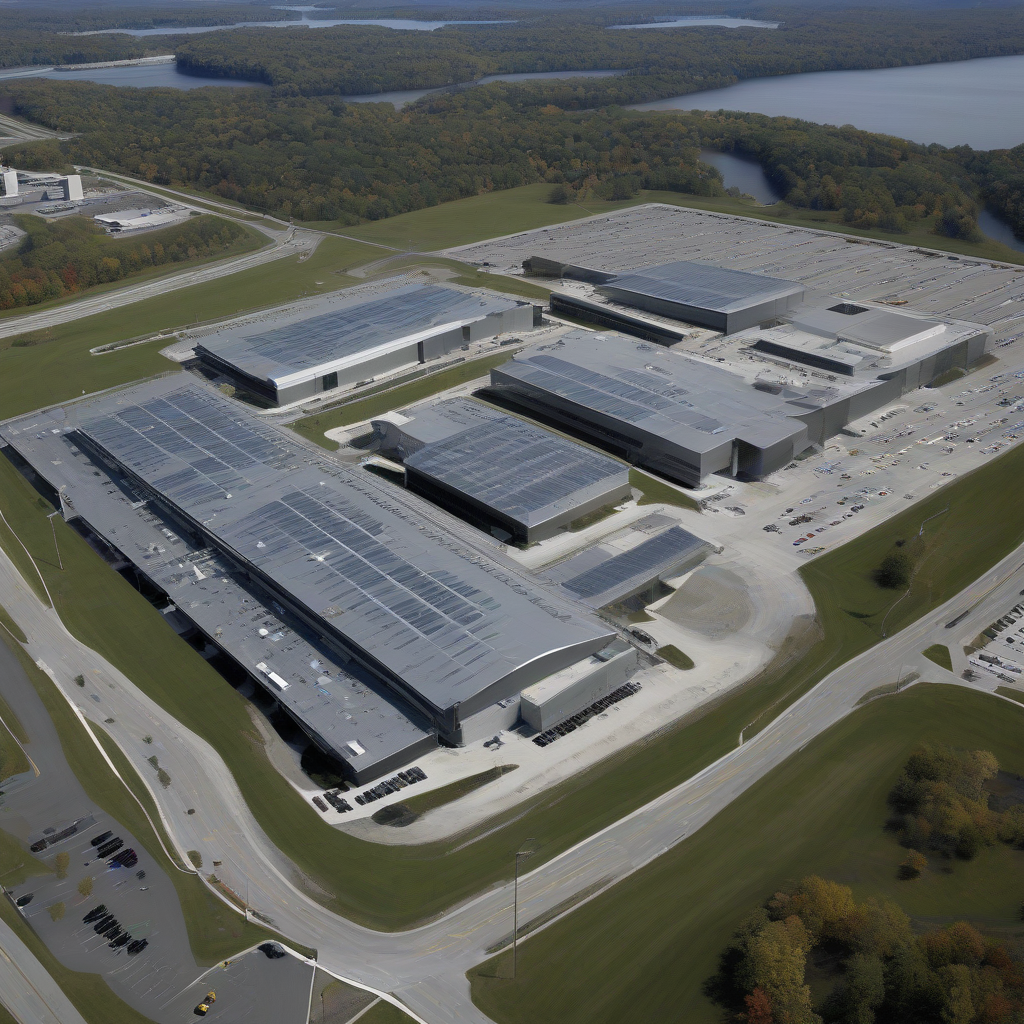
๐Ÿ“ธ Figure 1.2 ยท Operational Context
Figure 1.2: Secondary sector visual for Renewable Energy briefing on New York State Data Center Restrictions Fail to Address Grid Strains.Skyline Intelligence

Strategic Implications

  • โœ“Legislative bans on data centers do not address the primary drivers of grid strain.
  • โœ“Grid challenges are significantly impacted by residential HVAC and building electrification.
  • โœ“Transmission limits remain a core issue for New York's power distribution.

Legislative measures aimed at curbing the expansion of data centers in New York will not resolve the state's underlying electricity grid capacity issues, according to IEEE Spectrum. While policy discourse often targets energy-intensive computing facilities, analysis suggests that the current grid constraints stem from a complex interaction of variables far beyond the operational footprint of individual data centers.

Energy demand in New York is influenced by diverse sectors, including residential climate control and the ongoing transition toward electrified heating systems. Limiting data center growth ignores these larger systemic load factors. Regulatory bodies, including the New York Public Service Commission, continue to grapple with aging infrastructure and the integration of intermittent renewable energy sources into a system designed for more predictable, centralized baseload generation.

Grid ComponentPrimary Challenge
TransmissionLimited capacity between upstate and downstate
BaseloadRetirement of legacy carbon-intensive plants
Peak DemandResidential and commercial HVAC requirements

The focus on data center moratoriums acts as a localized intervention in a state-wide infrastructure problem. Efforts to bolster the grid require significant capital expenditure in high-voltage direct current (HVDC) lines and large-scale battery storage solutions rather than restrictions on specific industrial consumers. Industry observers note that while AI-driven compute tasks require significant power, the total energy consumption attributed to data centers remains a fraction of the aggregate load compared to building heating and industrial manufacturing processes.

Why It Matters

The focus on data center restrictions creates a false sense of security regarding grid reliability. By scapegoating technological expansion, policymakers may delay the investment in physical infrastructure upgrades required for long-term stability. Furthermore, if New York signals a restrictive environment for high-compute infrastructure, capital investment may shift to neighboring jurisdictions with more flexible energy policies, potentially reducing the state's competitiveness in the rapidly evolving artificial intelligence sector. True grid modernization requires a transition from reactive legislative policies to proactive, utility-scale infrastructure investments.

Expected Next Steps

  • 1Further legislative evaluation of energy demand by the New York Public Service Commission.
  • 2Monitoring of potential migration of data center investment to other states.
  • 3Evaluation of new utility-scale infrastructure funding bills.

Frequently Asked Questions

No, according to analysis, grid issues are largely driven by residential demand, aging infrastructure, and heating electrification.

Restricting data centers is unlikely to resolve capacity constraints, as these are linked to broader transmission and generation challenges.

Experts suggest investing in transmission infrastructure and large-scale battery storage rather than targeting specific industrial consumers.

Source Transparency & Verified Dispatches

โœ“ Verified Primary Data
โœ“
New York Public Service Commission๐Ÿ’ผ Corporate Dispatch
Source โ†—
โœ“
IEEE Spectrum๐Ÿ’ผ Corporate Dispatch
Source โ†—

Reader Discussion & Insights

Leave a Comment

Loading discussion thread...

Get Breaking Global Intel in Your Inbox

Subscribe to the Skyline Wire AI Daily Briefing. Direct insights across Aviation, Tech, EVs, and Markets.

Original announcement link: IEEE Spectrum

energy griddata centersnew yorkinfrastructureelectricity
new york energy griddata center regulationenergy infrastructure policyelectricity load managementny public service commissiongrid capacity issuesdata center power consumption