
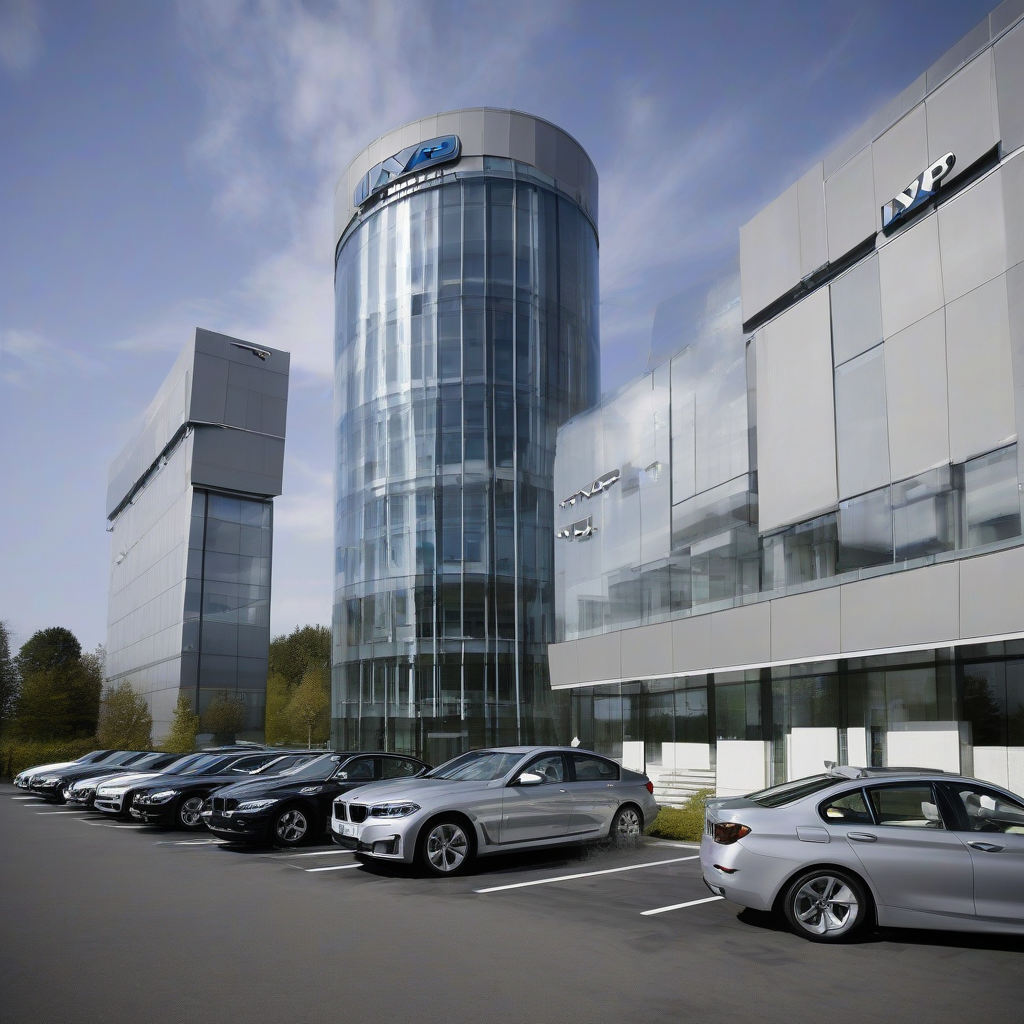
BMW Group has formalized its partnership with NXP Semiconductors to integrate Trimension ultra-wideband (UWB) technology into its vehicle lineup, specifically enhancing the performance of Digital Key Plus and internal presence detection. According to BMW Group, this implementation allows for precise localization, ensuring that vehicle entry and ignition systems respond exclusively to the authorized user's proximity.
The deployment of NXP Trimension chips facilitates secure, high-accuracy ranging, which differentiates the system from legacy signal-based protocols. By utilizing time-of-flight measurements, the vehicle can calculate the distance between the user’s smartphone and the car with centimeter-level precision. This technological integration is designed to reduce the risk of relay attacks, providing a heightened security profile for modern automotive access control.
Technical Overview
| Feature | Technology Component | Primary Function |
|---|---|---|
| Digital Key Plus | NXP Trimension UWB | Secure vehicle access/locking |
| Presence Detection | UWB Ranging | Intelligent interior monitoring |
| Localization | IEEE 802.15.4z | Centimeter-level accuracy |
According to BMW Group, the collaboration aims to standardize these features across upcoming model releases. The technology is engineered to function across diverse operating systems, ensuring broad compatibility for mobile device users while maintaining stringent authentication standards for vehicle owners.
Why It Matters
The move toward UWB represents a broader push in the automotive industry to replace physical key fobs with smartphone-centric digital twins. While Bluetooth Low Energy has been a staple for wireless connectivity, its susceptibility to signal manipulation necessitates the adoption of UWB for high-security applications. By offloading localization to a hardware-based, time-of-flight system, manufacturers are significantly raising the barrier for unauthorized entry. This shift suggests that carmakers are prioritizing native silicon integration to solve consumer convenience issues, moving away from aftermarket connectivity patches toward highly integrated, manufacturer-led digital infrastructure.
Reader Discussion & Insights