
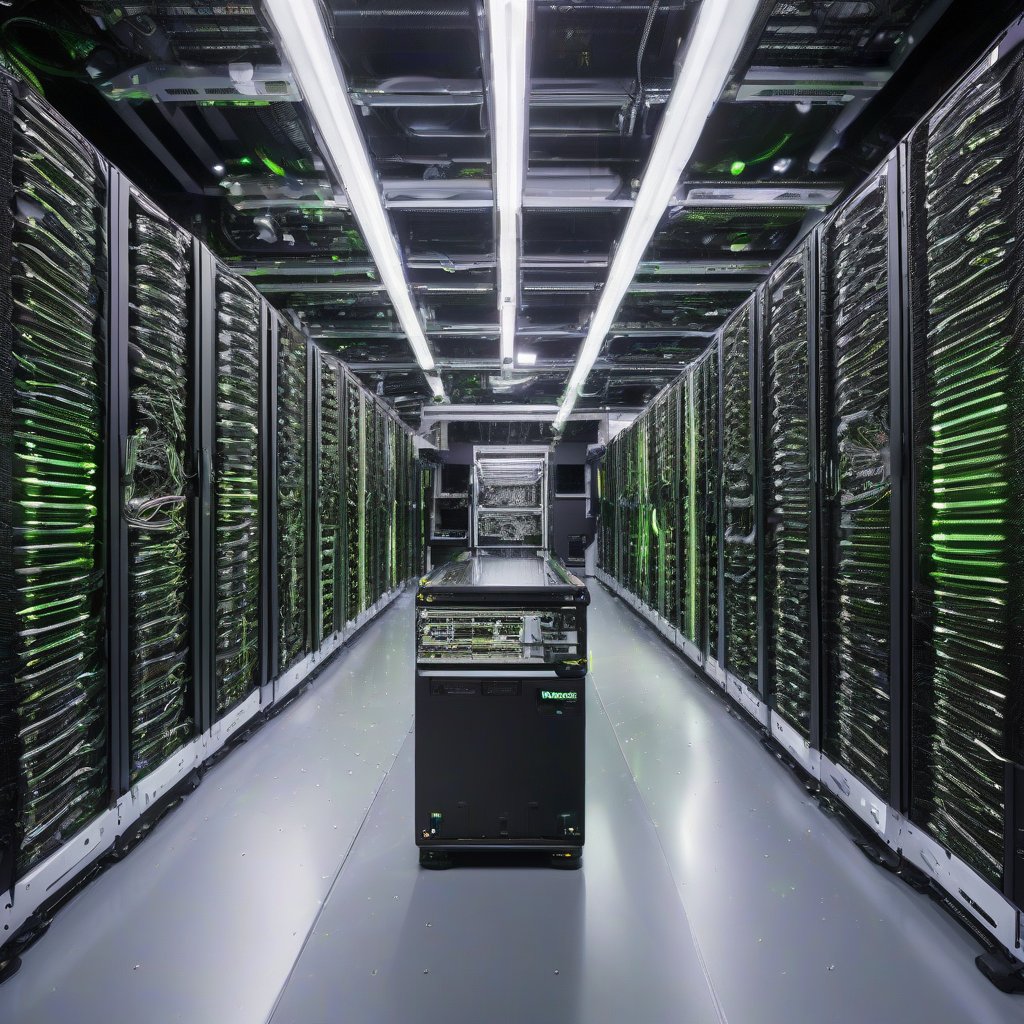

NVIDIA has officially expanded the capabilities of its RTX Spark platform by incorporating Neural Texture Compression (NTC), a development that significantly optimizes how high-resolution textures are handled within graphical environments. According to NVIDIA News, this implementation allows for more efficient memory usage while maintaining visual fidelity across complex 3D scenes.
Neural Texture Compression works by utilizing trained neural networks to represent texture data, which can then be decompressed in real-time by the GPU. By integrating this technology into RTX Spark, the platform aims to provide developers and creators with higher visual standards without the traditional overhead associated with large texture files.
| Feature | Functionality |
|---|---|
| Platform | RTX Spark |
| Core Technology | Neural Texture Compression (NTC) |
| Primary Benefit | Memory efficiency / Visual fidelity |
Official updates from the NVIDIA development ecosystem indicate that this advancement is part of a broader push to standardize AI-accelerated rendering tools. While RTX Spark serves as a foundational component for various enterprise and creative suites, the addition of NTC addresses long-standing bottlenecks in texture streaming and VRAM management.
Why It Matters
The integration of Neural Texture Compression into the RTX Spark platform signals a shift toward AI-native graphics pipelines. By shifting the burden of texture management from traditional raw data storage to neural representation, the industry moves closer to realizing photorealistic environments in real-time. This reduces the VRAM footprint significantly, potentially allowing lower-tier hardware to perform at levels previously reserved for high-end professional workstations. As real-time rendering demands grow in sectors like virtual production and digital twins, the ability to pack more graphical detail into limited memory configurations is vital for scalable software development.
Reader Discussion & Insights