
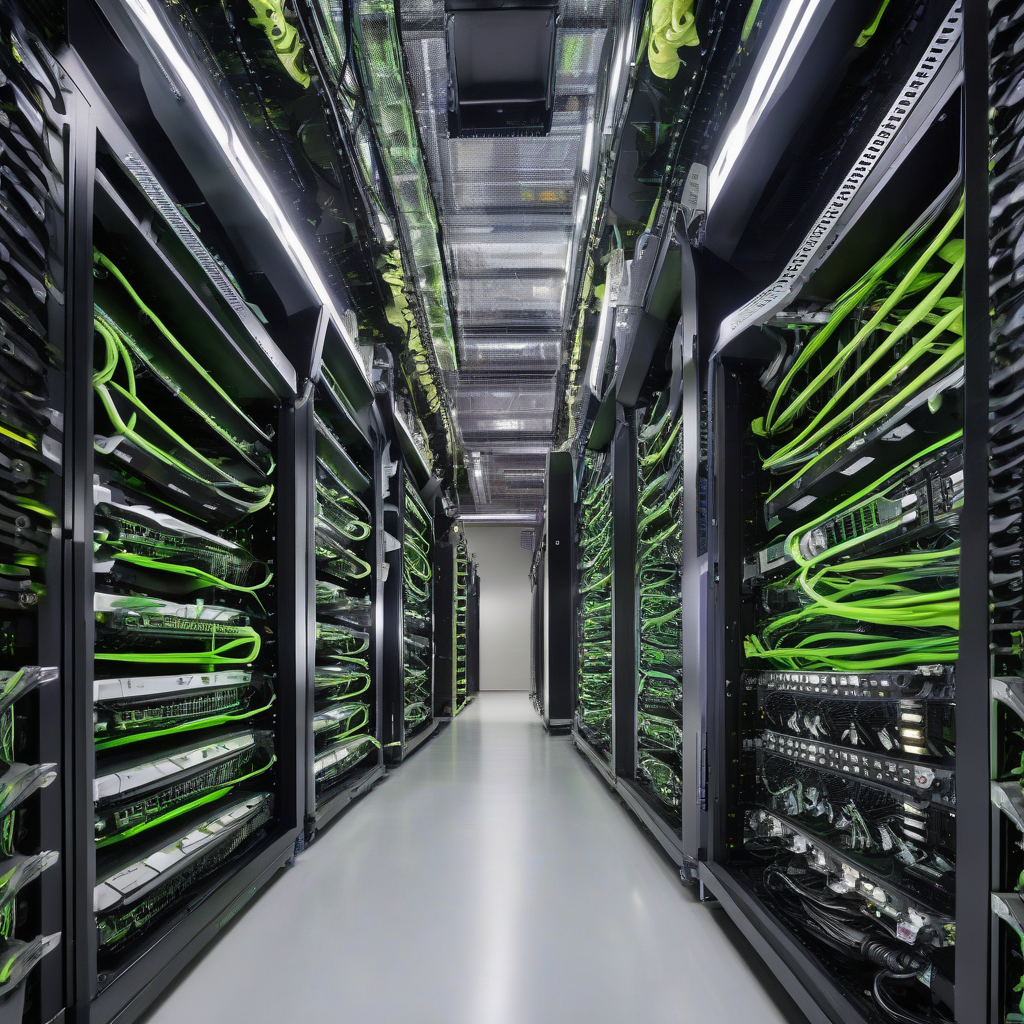
NVIDIA has announced a strategic shift to improve storage access speeds and bolster cooperation across the technology sector. According to NVIDIA News, the company is refining its architectural approach to minimize data bottlenecks that traditionally slow down high-performance computing and artificial intelligence training clusters.
Operational Improvements
The initiative focuses on optimizing how data travels between storage systems and graphics processing units. By implementing more efficient communication standards, the firm intends to reduce latency for large-scale data sets. This move is designed to support the intensive input/output requirements of modern data centers that utilize massive, unstructured data pools.
Data Infrastructure Summary
| Feature | Objective | Status |
|---|---|---|
| Storage Access | Reduced latency | In progress |
| Industry Cooperation | Protocol alignment | Ongoing |
| Data Throughput | Optimization | Active |
Regulatory and Industry Context
The push for standardized storage interfaces aligns with existing benchmarks maintained by organizations like the Storage Networking Industry Association (SNIA). While NVIDIA has not detailed specific hardware releases in this announcement, industry filings suggest the company is aligning its software stack to accommodate diverse storage vendors, ensuring that proprietary hardware maintains broad interoperability with third-party network-attached storage solutions.
Why It Matters
As artificial intelligence models grow in parameter count, the primary constraint is often not compute power, but the speed at which data can be fed into those models. By addressing the storage-to-GPU throughput bottleneck, NVIDIA is effectively increasing the return on investment for data center operators. This shift suggests a move away from closed-ecosystem exclusivity toward a more collaborative framework, which is necessary for the massive infrastructure scaling required by current industry demands for generative AI capabilities.
Reader Discussion & Insights