
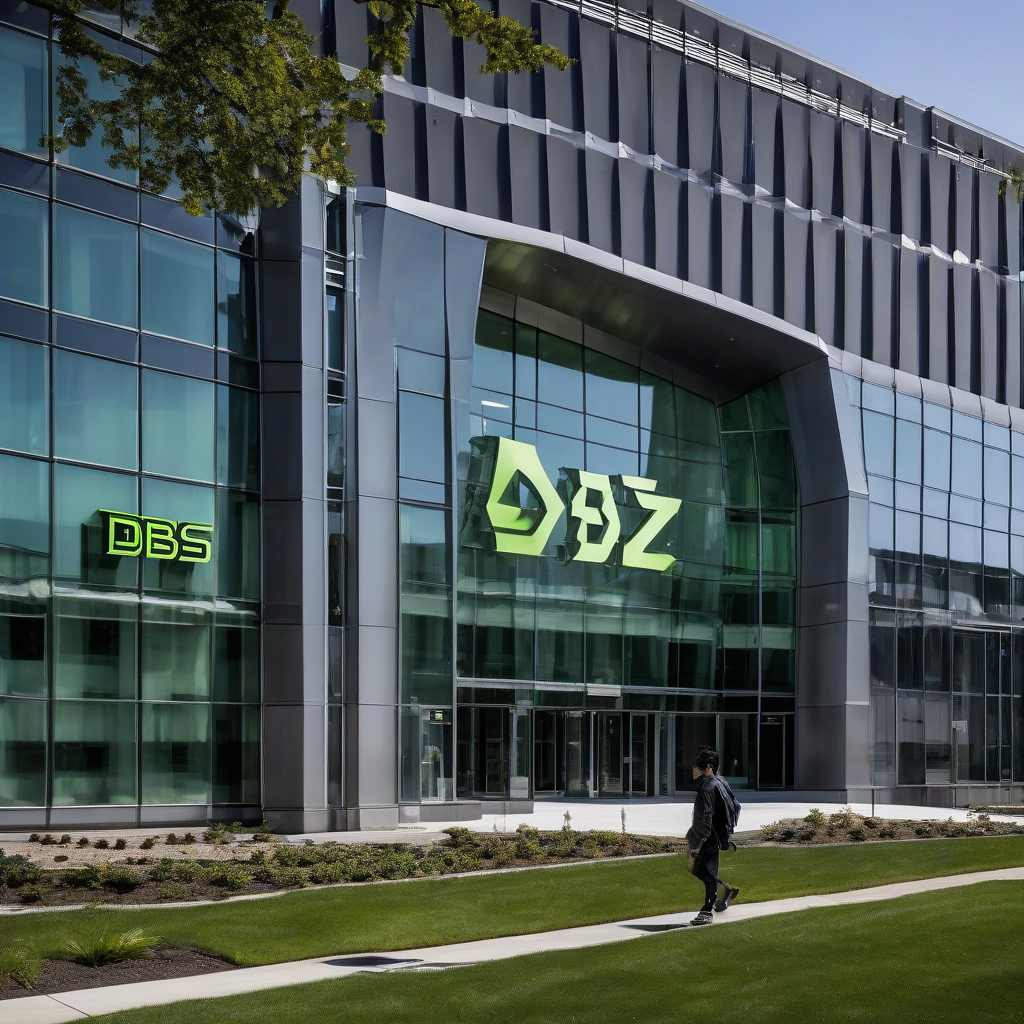

According to NVIDIA News, younger investors are increasingly prioritizing a balanced approach to market participation by combining high-growth technology assets with stable banking institutions. The strategy centers on blending exposure to the rapidly expanding artificial intelligence sector, represented by NVIDIA, with the consistent financial returns often associated with major banking entities like DBS.
Market analysis suggests that participants in the Gen Z demographic are adopting this dual-asset model as a standard for building long-term wealth. By allocating capital toward both the volatility and potential upside of technology stocks and the reliable dividend yields provided by established financial firms, investors seek to mitigate risk while capturing cyclical growth.
Portfolio Asset Comparison
| Asset Class | Primary Driver | Market Characteristic |
|---|---|---|
| NVIDIA | Artificial Intelligence | High Growth |
| DBS | Banking & Dividends | Financial Stability |
Financial experts note that the decision to pair these two entities aligns with modern diversification mandates. NVIDIA remains a key player in the hardware infrastructure supporting global AI initiatives, while DBS provides an anchor within the regional financial architecture, typically offering regular distributions that appeal to long-term wealth accumulation strategies.
Why It Matters
The interest in combining NVIDIA and DBS highlights a shift in how retail investors approach sector-specific exposure. Rather than relying on singular industries, the emergence of this 'wealth formula' indicates a preference for 'barbell' investment strategies—where extreme growth is balanced against conservative, cash-flow-positive equities. This behavior suggests that young investors are increasingly cognizant of the macroeconomic environment, balancing the hype of semiconductor-driven innovation with the foundational security required to weather institutional financial cycles over time.
Reader Discussion & Insights