
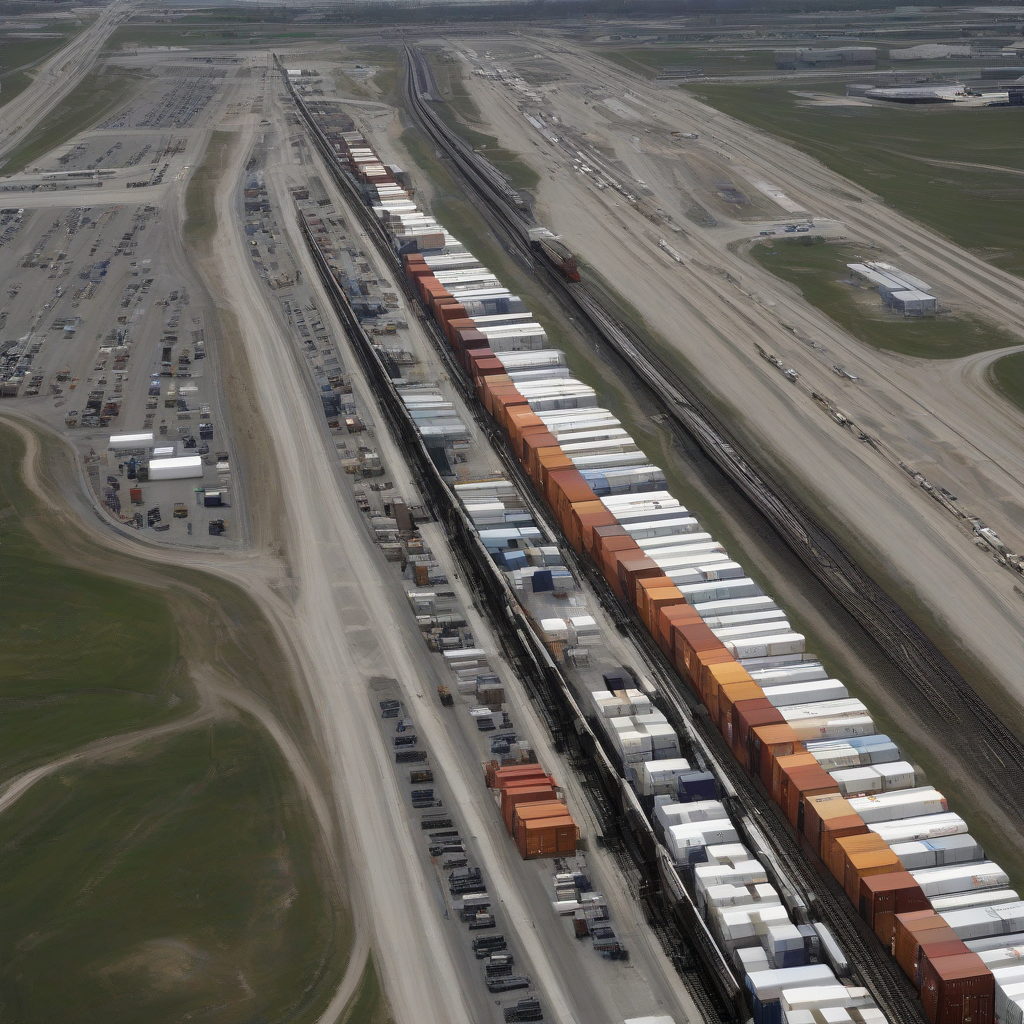

The North American intermodal sector is positioned for consistent performance throughout the remainder of the calendar year, supported by shifting dynamics in fuel pricing and over-the-road freight costs. According to the Journal of Commerce, these specific logistical tailwinds are expected to influence market stability during the second half (H2) of the fiscal period.
Analyst Larry Gross indicates that the current pricing environment, characterized by higher diesel fuel costs and escalating truckload rates, creates a favorable operational context for rail-based intermodal providers. By maintaining these cost pressures on motor carriers, the intermodal industry retains a competitive pricing advantage for shippers seeking to optimize their supply chain expenditures.
Market Factors Influencing Intermodal Outlook
| Factor | Expected Impact on Intermodal | Trend Direction |
|---|---|---|
| Diesel Prices | Increased cost burden for road | Upward |
| Truck Rates | Higher competitive baseline | Upward |
| H2 Performance | Steady market stability | Positive |
This trend suggests that the modal shift from highway to rail remains sensitive to the volatility of fuel and labor costs inherent in the trucking industry. While road transport often provides greater flexibility, the cost gap currently favor intermodal rail solutions, allowing those firms to sustain volume levels as seasonal demand patterns fluctuate in the coming months.
Why It Matters
The reliance on intermodal stability suggests a growing maturity in how domestic supply chains manage high-cost environments. By isolating specific variables like diesel and truck rates, analysts are identifying a "floor" for intermodal demand that is less susceptible to broader economic contractions. This shift implies that intermodal is no longer just a secondary option for cost-conscious shippers, but a primary mechanism for buffering volatility in the North American logistics grid. If these trends persist, we may see increased investment in terminal capacity to accommodate long-term volume shifts away from long-haul trucking.
Reader Discussion & Insights