
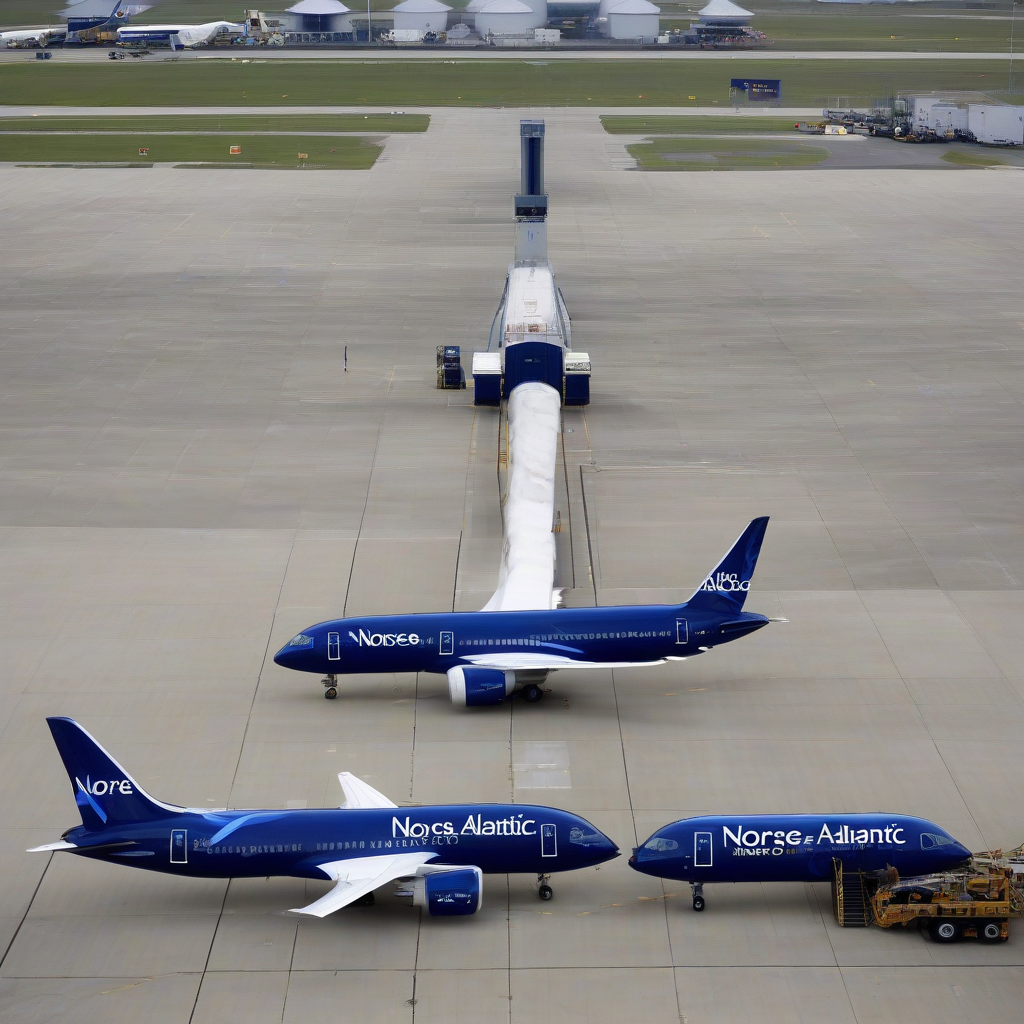
Norse Atlantic Airways has confirmed it is seeking alternative deployment for six Boeing 787-9 aircraft following an agreement to terminate its lease arrangement with Indian carrier IndiGo. According to AeroTime, the decision follows IndiGo’s move to cease widebody operations by October 25, 2026, with the lease officially concluding on October 31, 2026. This transition coincides with the Norwegian carrier’s launch of a formal process to evaluate potential mergers, partnerships, or an outright sale of the company.
The cessation of the partnership comes as both airlines contend with the financial pressures of regional instability. IndiGo cited a demanding operating environment exacerbated by geopolitical tensions in the Middle East, which led to increased fuel costs and necessitated longer flight routes to bypass restricted airspace. While one of the six 787s was already slated for return at the end of August 2026 due to the cancellation of IndiGo’s Manchester, UK route, the remaining five will be returned as the wider contract wraps up.
Operational Transition Summary
| Event | Date | Detail |
|---|---|---|
| Mumbai-Amsterdam Route Switch | October 25, 2026 | Airbus A321XLR replaces 787 |
| End of IndiGo Widebody Ops | October 25, 2026 | Final day of scheduled widebody service |
| Lease Agreement Conclusion | October 31, 2026 | Formal return of aircraft |
| London Heathrow Service | Indefinite | Suspended until A350-900 arrival |
Norse Atlantic CEO Eivind Roald noted that the return of these aircraft provides the company with new strategic flexibility. The airline is actively engaging with other carriers to place up to five of the 787s under new aircraft, crew, maintenance, and insurance (ACMI) agreements. Domestically, Norse intends to integrate some of the returning capacity into its own winter schedule, specifically targeting routes to Orlando and New York.
Why It Matters
The collapse of this ACMI partnership highlights the extreme volatility inherent in modern long-haul fleet leasing, especially when tied to regional geopolitical shifts. For Norse, the pivot toward a split-model strategy—once intended to hedge against market cycles—has been undermined by the very fuel and routing constraints it sought to avoid. The airline’s decision to engage JPMorgan for a formal strategic review suggests that the carrier is preparing for a significant transition, likely moving away from its original independent low-cost, long-haul identity toward a more consolidated or acquired future in the global aviation market.
Reader Discussion & Insights