
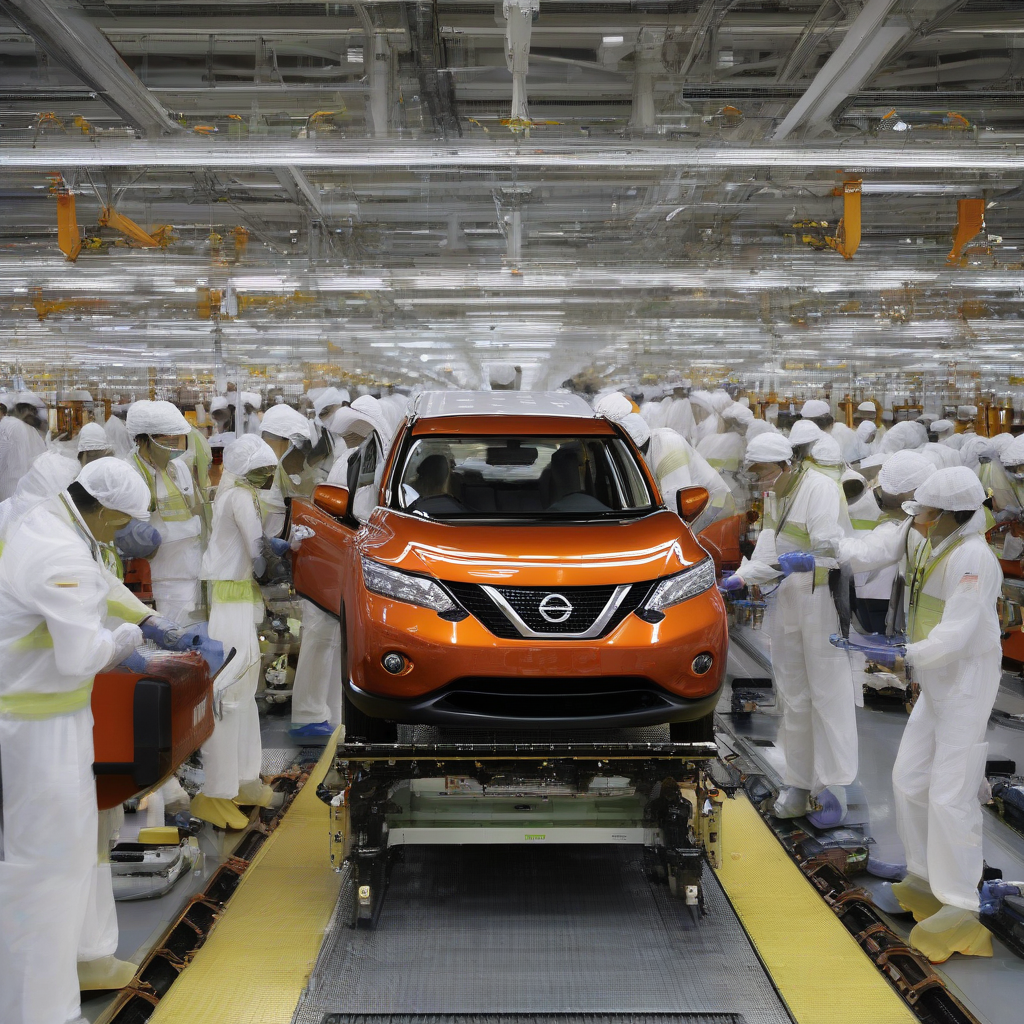
Nissan has demonstrated the capabilities of its proprietary e-Power technology by successfully completing a 1,980-km test drive in an extended-range electric vehicle. According to Electric Vehicles, this achievement highlights the potential for gas-electric hybrid drivetrains to offer significant operational range without the typical limitations associated with standard battery-electric systems.
Journey Specifications
The test involved a sustained driving effort covering a total distance of 1,980 km. The vehicle utilized a serialized hybrid setup where the internal combustion engine acts exclusively as a generator to power the electric motor, rather than driving the wheels directly. This configuration is designed to eliminate charging anxiety while maintaining the torque and performance characteristics of a pure electric powertrain.
| Feature | Specification |
|---|---|
| Total Distance | 1,980 km |
| Technology Type | e-Power (Serialized Hybrid) |
| Primary Function | Engine as Electric Generator |
While the source provided the total distance covered, it underscores the ongoing manufacturer efforts to refine energy efficiency and power management in the transition phase of global automotive electrification. The results suggest that the integration of smaller internal combustion units to supplement battery power serves as an effective bridge for markets where charging infrastructure remains inconsistent.
Why It Matters
The reliance on range-extender technology indicates a shifting priority in the automotive sector, moving away from massive battery packs toward optimized energy management. By achieving a 1,980-km range, Nissan is challenging the perception that battery-electric vehicles are strictly limited by their current energy storage density. This development suggests that major manufacturers are looking to reduce costs associated with heavy batteries while simultaneously addressing long-haul travel utility. Such innovations could accelerate consumer adoption of electrified drivetrains in regions lacking high-speed charging networks, effectively lowering the barrier to entry for EV technology globally.
Reader Discussion & Insights