
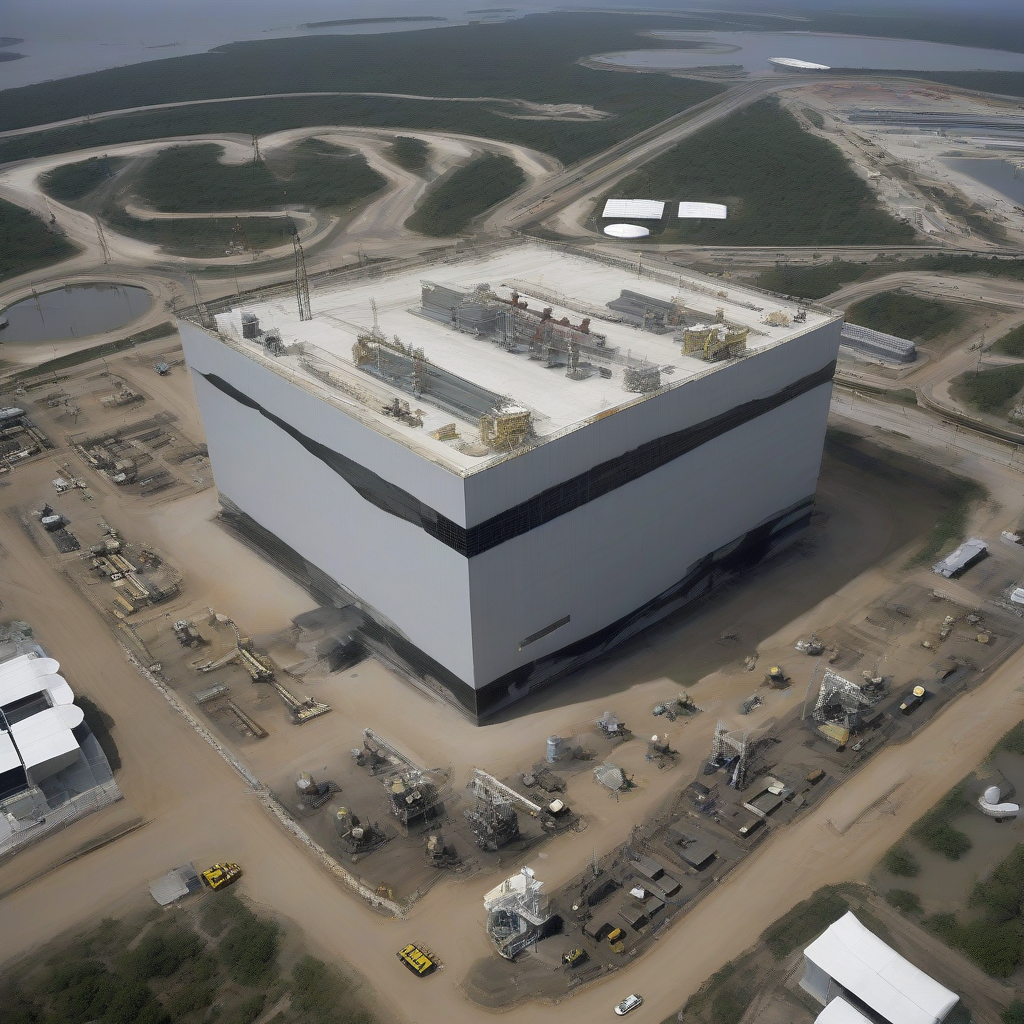

The Nigerian government is positioning the nation to capture significant capital inflows, with expectations to attract between $30 billion and $50 billion in investments for 22 offshore oil and gas projects. According to OilPrice.com, these developments are slated to take place over the next five years, signaling a strategic push to boost the country’s energy sector output.
Oritsemeyiwa Eyesan, the chief executive of the Upstream Petroleum Regulatory Commission (NUPRC), indicated that the initiative is designed to do more than simply increase hydrocarbon production. The regulatory body aims to utilize these investments to bolster energy security, expand national infrastructure, and generate new employment opportunities. By focusing on these offshore assets, officials believe Nigeria can cement its status as a primary destination for global upstream capital.
| Metric | Projected Range |
|---|---|
| Total Targeted Investment | $30 Billion – $50 Billion |
| Number of Offshore Projects | 22 |
| Investment Timeline | 5 Years |
Since 2024, the NUPRC has been working to streamline the regulatory environment to ensure these projects remain viable for international and domestic investors. The commission views these 22 projects as central to the country’s long-term economic strategy, moving beyond traditional extraction to prioritize systemic growth across the supply chain.
Why It Matters
This aggressive investment push serves as a bellwether for the African energy market. As global capital pivots toward energy transition, Nigeria’s ability to attract such large-scale funding for hydrocarbon projects suggests a continued appetite for fossil fuel development in emerging markets. If successfully executed, these projects will likely alter the production profile of the West African region, potentially influencing global supply benchmarks. The NUPRC's ability to maintain fiscal stability and regulatory transparency will determine whether this massive capital inflow stabilizes the local economy or remains hindered by historical operational challenges in the region.
Reader Discussion & Insights