
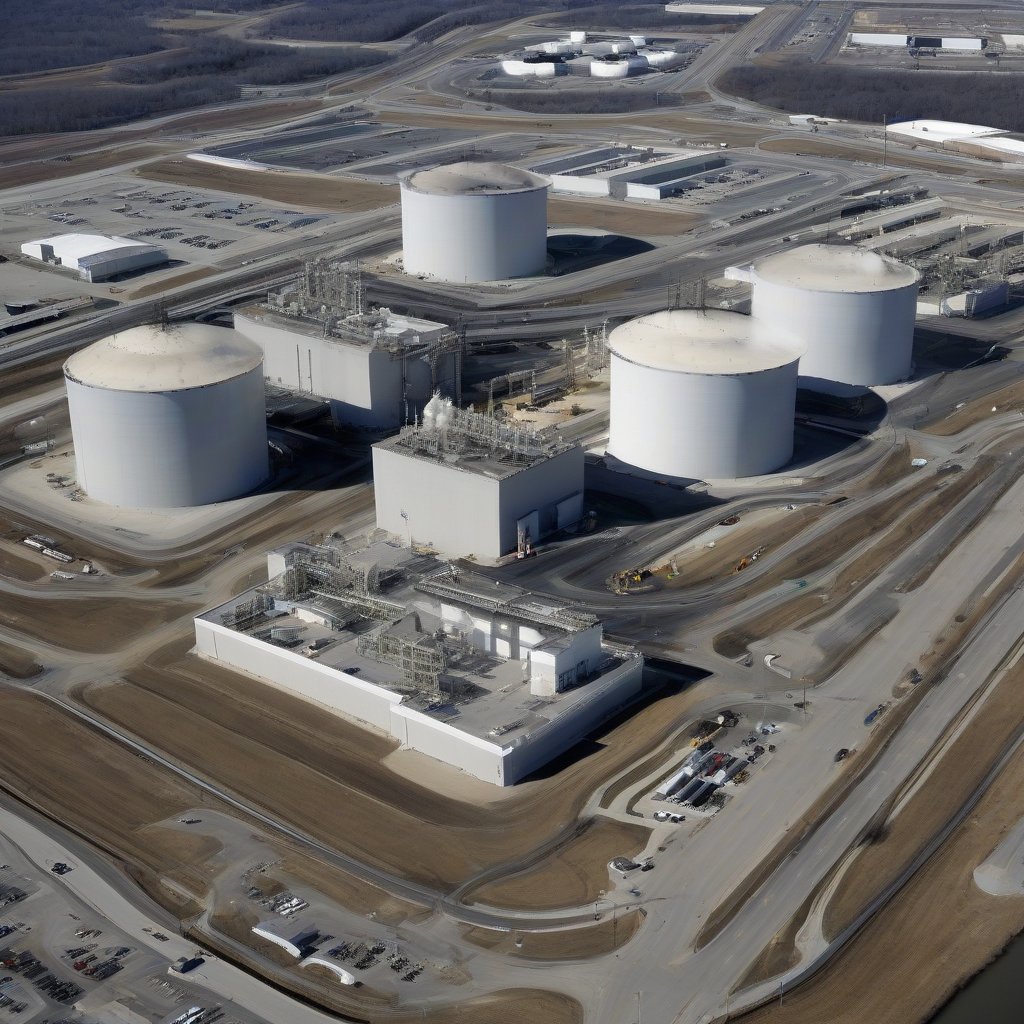

Natural gas spot prices saw a measurable increase in recent trading sessions, driven largely by intensified activity across key demand centers. According to EIA, the market is currently positioning itself in anticipation of the latest federal storage report, which serves as a benchmark for assessing domestic supply levels.
Market participants are closely monitoring consumption patterns as regional hubs reflect tightened supply-demand balances. This upward trend in spot pricing follows a period of heightened interest in inventory levels, as traders prepare for data that will indicate the pace of seasonal storage accumulation or withdrawal. The interplay between current temperature-driven demand and existing infrastructure capacity remains the primary driver of these price movements.
Energy analysts typically utilize EIA documentation to calibrate their outlook on short-term commodity performance. By examining regional storage trajectories and pipeline flow data, stakeholders can better understand the factors contributing to current valuation shifts in the energy sector.
Market Data Summary
| Indicator | Status | Context |
|---|---|---|
| Price Movement | Upward | Driven by demand centers |
| Primary Catalyst | Market anticipation | Upcoming EIA storage report |
| Inventory Focus | Regional levels | Seasonal supply assessment |
Why It Matters
The sensitivity of natural gas spot prices to short-term data releases underscores the fragility of the energy supply chain. As the industry transitions between seasonal demand profiles, even minor adjustments in storage figures can trigger volatility. This pricing behavior reflects broader concerns regarding energy security and the ability of domestic infrastructure to respond to rapid fluctuations in industrial and residential load requirements. Investors and utility providers must maintain precise inventory management strategies to mitigate risks associated with the price volatility inherent in the current supply-demand environment.
Reader Discussion & Insights