
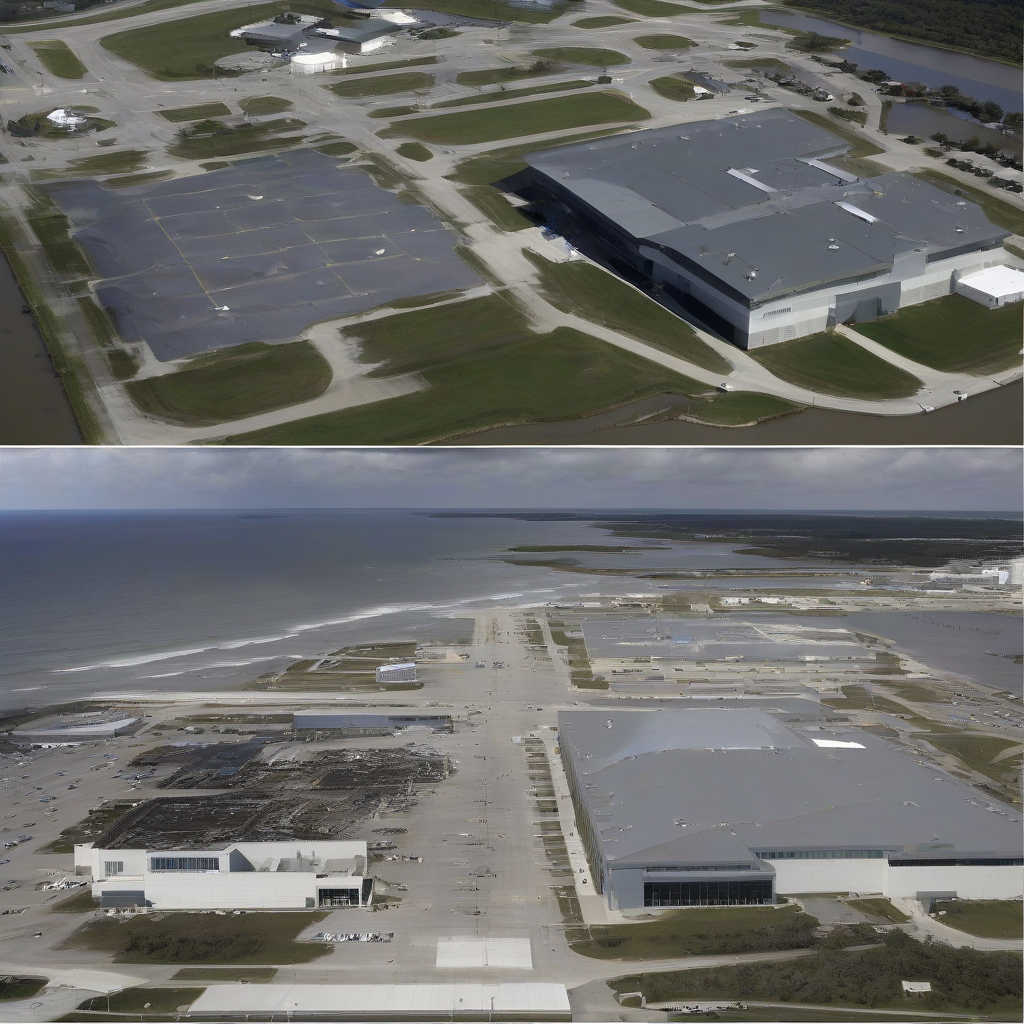
As of Thu, 06 Aug 2026 04:36:56 GMT, there are no active tropical cyclones located within the Atlantic basin, according to NHC Atlantic Advisories. The National Hurricane Center (NHC) maintains constant surveillance of the region, utilizing satellite imagery, meteorological data, and reconnaissance flight paths to monitor for potential cyclonic activity.
At the time of this report, the official tracking data confirms that the Atlantic, Caribbean Sea, and the Gulf of Mexico remain clear of any organized storm systems meeting the threshold for tropical cyclone classification. Meteorologists continue to analyze atmospheric conditions across the tropics, although current conditions have not generated any systems of concern.
Current Tropical Activity Summary
| Observation Period | Status | Region |
|---|---|---|
| Thu, 06 Aug 2026 04:36:56 GMT | No tropical cyclones | Atlantic Basin |
Official monitoring is conducted by the NHC under the broader framework of the National Oceanic and Atmospheric Administration (NOAA). The NHC routinely issues advisories every six hours during the official Atlantic hurricane season, which runs from June 1 through November 30. During intervals where no storms are present, the NHC provides standard summaries confirming the quiet status of the basin to ensure maritime and coastal authorities remain informed of the navigational environment.
Why It Matters
While the current absence of tropical cyclones is statistically typical for parts of the early August period, it serves as a critical window for infrastructure hardening and logistics planning. For stakeholders in global logistics, energy, and commercial aviation, a quiet Atlantic basin allows for the recovery of supply chains and the maintenance of standard flight paths that are otherwise frequently disrupted by storm activity. Continued monitoring by NHC experts remains the primary defense against unforeseen storm development, allowing businesses to adjust regional operational strategies well in advance of potential meteorological volatility.
Reader Discussion & Insights