
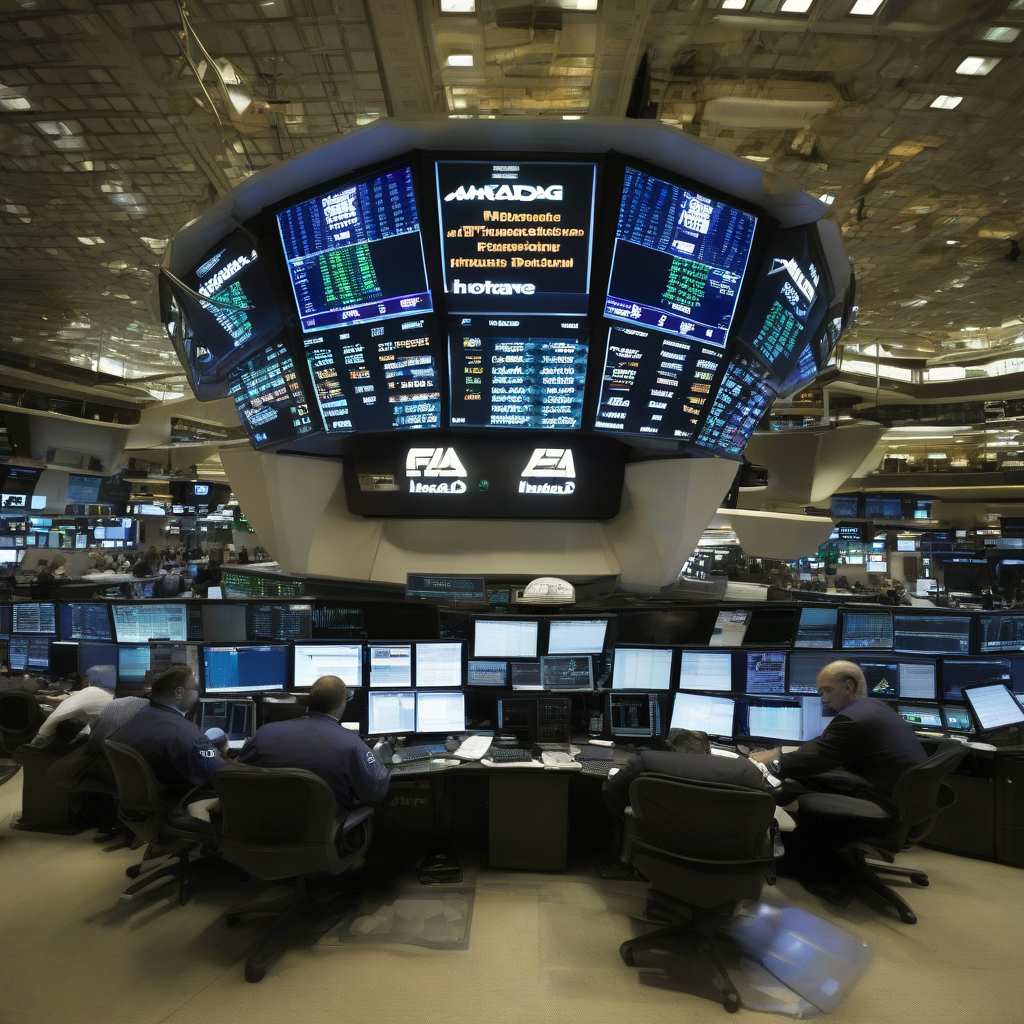

Nasdaq futures entered a period of decline as investor sentiment soured regarding the artificial intelligence sector, according to WSJ — Markets. This move comes as participants adjust their holdings in response to shifting expectations for technology-focused equities. While domestic indices face pressure from these sector-specific concerns, commodity markets are showing an inverse reaction to geopolitical developments.
Simultaneously, the energy sector has recorded an uptick in valuations. Crude oil prices moved higher following reports concerning ongoing negotiations aimed at the reopening of the Strait of Hormuz. The potential for restored transit through this critical maritime chokepoint continues to influence pricing models for global energy traders, as the path toward reopening remains a focal point for the oil market.
Market participants are closely observing these movements to assess potential volatility in indices. The Federal Reserve's stance remains a constant factor for equity valuation, though current shifts appear heavily dictated by sector-specific tech headwinds and energy-related supply chain narratives.
Market Movement Summary
| Indicator | Trend | Primary Driver |
|---|---|---|
| Nasdaq Futures | Decline | AI Sector Anxiety |
| Crude Oil | Higher | Strait of Hormuz Talks |
Why It Matters
The simultaneous fluctuation in tech futures and energy prices highlights the fragility of current market liquidity. As investors retreat from AI-heavy valuations, capital is being diverted toward traditional hedges, including energy commodities. The reopening of the Strait of Hormuz is not merely a regional logistical issue; it serves as a bellwether for global inflation. A stabilization of oil transit could mitigate cost-push inflation in the manufacturing sector, potentially offering a floor for the very tech stocks currently facing valuation contraction, provided central bank interest rate policies do not tighten further in response to commodity price stability.
Reader Discussion & Insights