
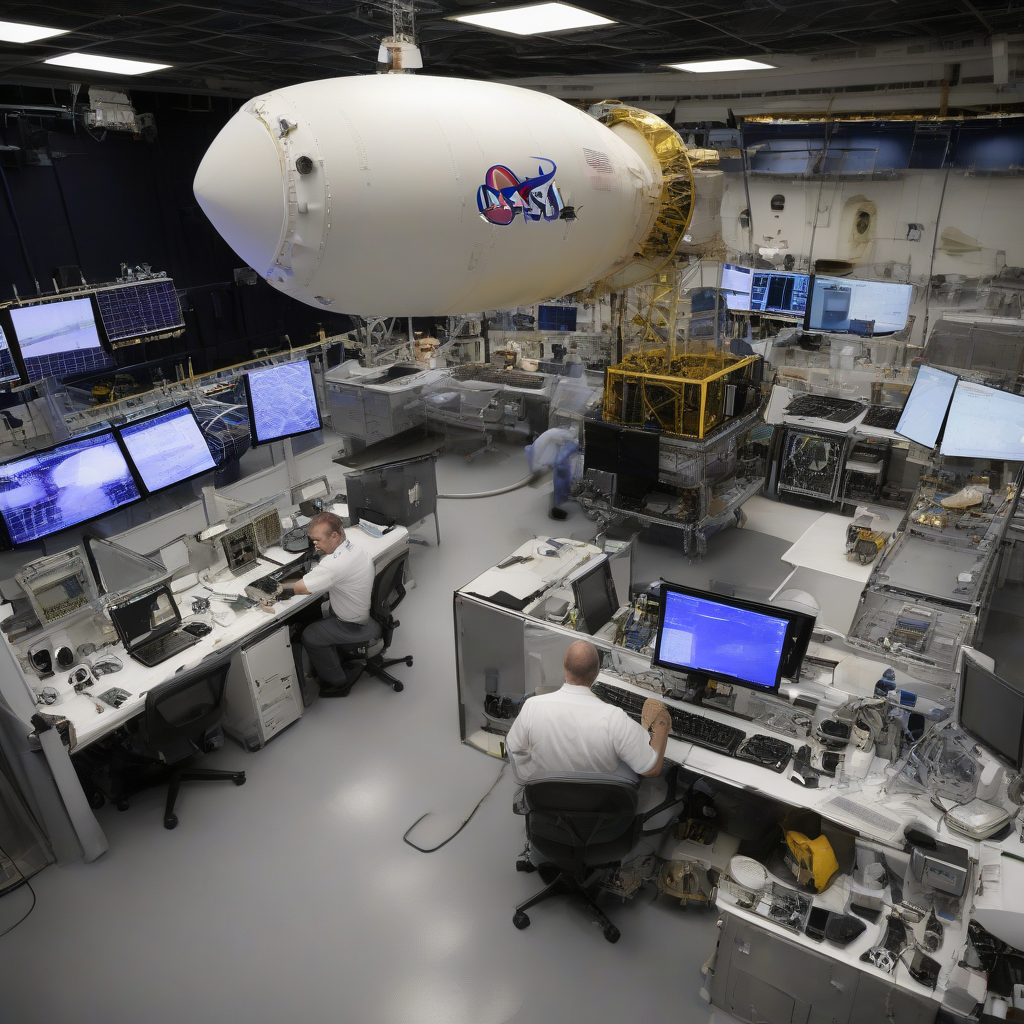

As NASA accelerates its efforts toward long-term exploration of the Moon and Mars, the agency has prioritized the integration of its Human Landing System (HLS) program. According to NASA News Releases, Tom Percy currently serves as the manager of systems engineering and integration for the program, overseeing the development and certification of landers designed for the Artemis missions.
Percy acts as the primary liaison between NASA and its private sector partners, SpaceX and Blue Origin. His responsibilities include streamlining the design, manufacturing, testing, and certification phases for crewed landers. The primary objective is to ensure that these vehicles operate effectively in conjunction with other NASA exploration assets. Percy’s career trajectory began in North Easton, Massachusetts, followed by an undergraduate degree in mechanical engineering from the Rochester Institute of Technology in Rochester, New York.
His early engagement with NASA projects occurred while participating in the Human Exploration Rover Challenge—formerly known as the Great Moonbuggy Race—held annually at the Marshall Space Flight Center in Huntsville, Alabama. Following his undergraduate studies, Percy obtained a master’s degree in aerospace engineering from the Georgia Institute of Technology in Atlanta and a doctorate in aerospace systems engineering from the University of Alabama in Huntsville. He has been professionally active at the Marshall Space Flight Center since 2003.
| Professional Detail | Information |
|---|---|
| Current Role | Manager, Systems Engineering and Integration (HLS) |
| Primary Partners | SpaceX, Blue Origin |
| Academic Institution (BS) | Rochester Institute of Technology |
| Academic Institution (MS) | Georgia Institute of Technology |
| Academic Institution (PhD) | University of Alabama in Huntsville |
| NASA Career Start | 2003 |
Why It Matters
The integration of private industry into NASA’s core architecture represents a shift in how deep-space logistics are executed. By consolidating engineering oversight under managers like Tom Percy, NASA seeks to minimize technical friction between proprietary systems and government-mandated safety protocols. This cross-organizational synchronization is essential for maintaining the high-frequency launch cadence required for sustainable lunar presence. As SpaceX and Blue Origin continue to refine their respective lander architectures, the ability to ensure interoperability between disparate commercial designs will dictate the timeline for future surface missions and subsequent Mars-bound initiatives.
Reader Discussion & Insights