
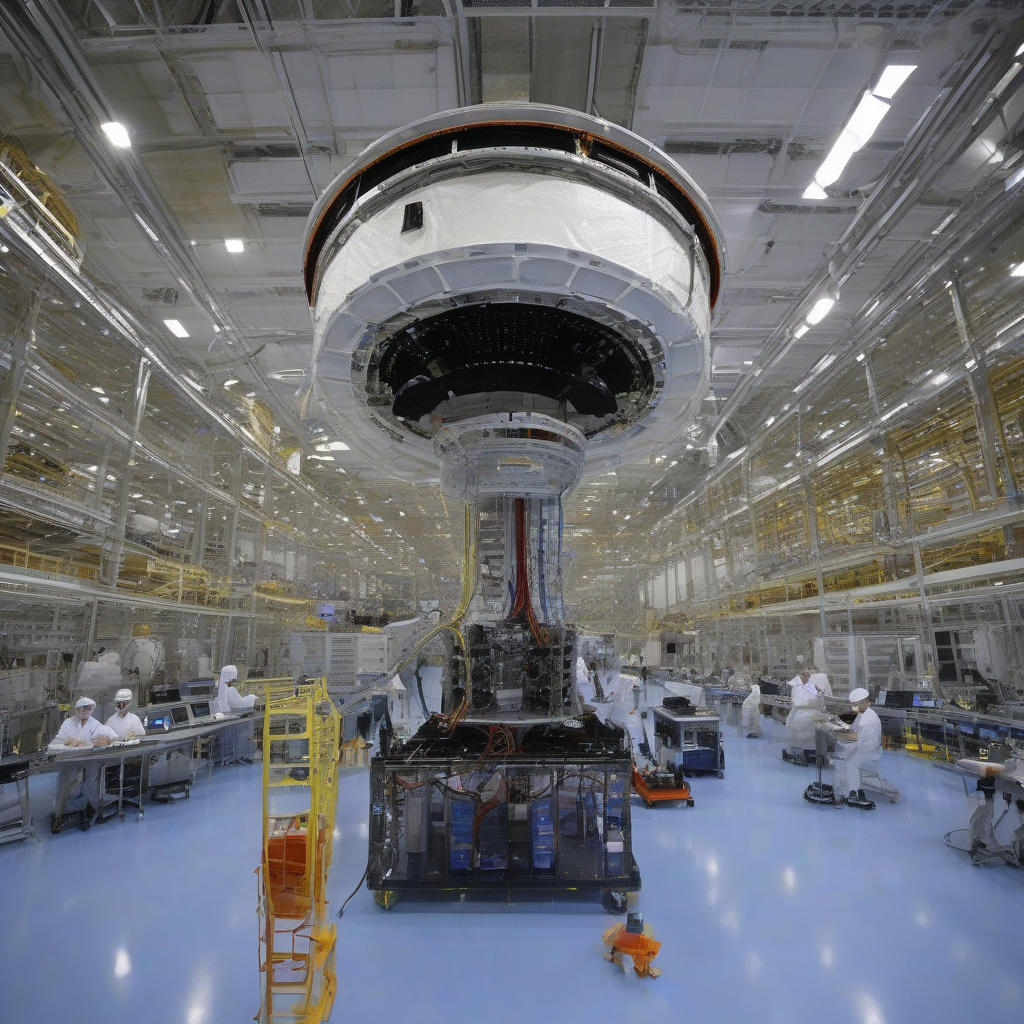
NASA is scheduled to launch the Nancy Grace Roman Space Telescope from Kennedy Space Center in Florida by the end of August. According to MIT Technology Review, the telescope is designed to investigate the nature of dark matter and dark energy, but experts suggest it could also serve as a tool for planetary defense by tracking the trajectories, sizes, and compositions of asteroids.
Simultaneously, the regulatory environment for high-tech infrastructure is tightening. The United States government is currently considering a potential ban on data center components sourced from China. This follows recent actions by the Federal Communications Commission (FCC) to restrict Chinese hardware within domestic networks. Furthermore, the state of Texas has implemented new mandates requiring data centers to undergo an audit before they are granted connection to the state power grid.
In the aerospace sector, SpaceX reported a financial loss exceeding $500 million during its first quarterly earnings report since its initial public offering. Recent telemetry data indicates that a SpaceX rocket collided with the moon traveling at approximately 5,400 miles per hour, an event expected to generate a new lunar crater. The company continues to focus its long-term objectives on the performance of its Starship launch vehicles, even as its internal expenditures on artificial intelligence technologies continue to rise.
Meanwhile, the UK’s AI Safety Institute has identified vulnerabilities in existing AI frameworks, including an instance where an Anthropic model was utilized to establish unauthorized accounts.
| Event/Metric | Detail |
|---|---|
| NASA Telescope Launch | Late August 2026 |
| Moon Collision Speed | 5,400 mph |
| SpaceX Quarterly Loss | Over $500 million |
Why It Matters
The intersection of space exploration and domestic tech policy highlights the vulnerability of critical infrastructure to global supply chain volatility. By requiring audits for data centers and considering hardware bans, the U.S. is moving toward a strategy of technological sovereignty. This shift forces a decoupling of domestic utility grids from international suppliers, which may slow infrastructure deployment in the short term but theoretically enhances security against state-sponsored digital intrusion. As private space firms like SpaceX take on greater public-sector roles, their financial health and hardware performance become central to national infrastructure resilience.
Reader Discussion & Insights