
LIVE·
SkylineWire Logo

SkylineWire

Global News & Market Intelligence · Verified from Official Dispatches

Editions:
Home
LIVEMARKETS:
S&P 500 5,640.20 (+0.45% ▲)|NASDAQ 17,855.10 (+0.62% ▲)|BRENT CRUDE $82.40 (-0.85% ▼)|SAF FUEL $2,140/t (+1.2% ▲)
BreakingDeveloping Story✓ Verified Reporting
NASA· 🇺🇸 United States

NASA Outlines Lunar Moon Base Infrastructure and Cargo Lander Progress

NASA is advancing its Moon Base program with four commercial partners, targeting lander deliveries by 2028 and over twenty robotic missions by 2029.

By Skyline Wire Newsroom · Published Source: NASA News Releases · Verified Reporting

Key Story Metrics & Context

Industry Sector:Space
Companies Impacted:Blue Origin, Firefly Aerospace, Intuitive Machines, Voyager Lunar Systems
Geographic Scale:USA 🇺🇸
Reporting Status:✓ Multi-Source Verified
NASA Outlines Lunar Moon Base Infrastructure and Cargo Lander Progress

Executive Brief & Verified Analysis

✓ OFFICIAL SOURCES REVIEWED

Executive Summary

NASA is advancing its Moon Base program with four commercial partners, targeting lander deliveries by 2028 and over twenty robotic missions by 2029.

Why This Matters

Key strategic implication: Four commercial partners are delivering lunar landers for NASA by 2028.

Market Impact

Verified for Blue Origin, Firefly Aerospace, Intuitive Machines, Voyager Lunar Systems. Primary market adjustment vector.

Source Verification

Cross-referenced across regulatory dispatches, official press releases, and verified wire filings.

Strategic Implications

  • Four commercial partners are delivering lunar landers for NASA by 2028.
  • Phase I of the Moon Base program involves over 20 robotic missions through 2029.
  • Blue Origin's MK1 lander successfully completed thermal-vacuum testing in Houston.
  • The CLPS initiative is the core program facilitating these commercial cargo deliveries.

According to NASA News Releases, the agency is actively developing its Moon Base near the lunar South Pole, a project intended to establish a persistent site for scientific research, technological testing, and eventual human activity. NASA has engaged four key commercial partners—Blue Origin, Firefly Aerospace, Intuitive Machines, and Voyager Lunar Systems—to engineer and deliver landers capable of supporting this infrastructure by 2028.

Infrastructure Development and Mission Schedule

The architecture for the Moon Base is divided into specific phases, with Phase I currently underway. This phase spans through 2029 and is defined by the objective of executing more than twenty robotic landings. These missions are designed to incrementally build operational capabilities, with early flights focused on characterizing the lunar environment, testing new systems, and laying the groundwork for future human habitation. NASA’s Commercial Lunar Payload Services (CLPS) initiative serves as the procurement framework for these recurring supply chain deliveries.

Partner / MissionMilestone/StatusTarget Date
All PartnersLunar Lander Delivery2028
NASAPhase I Robotic Landings2029
Blue Origin (Endurance)Thermal-Vacuum TestingComplete

Blue Origin MK1 Progress

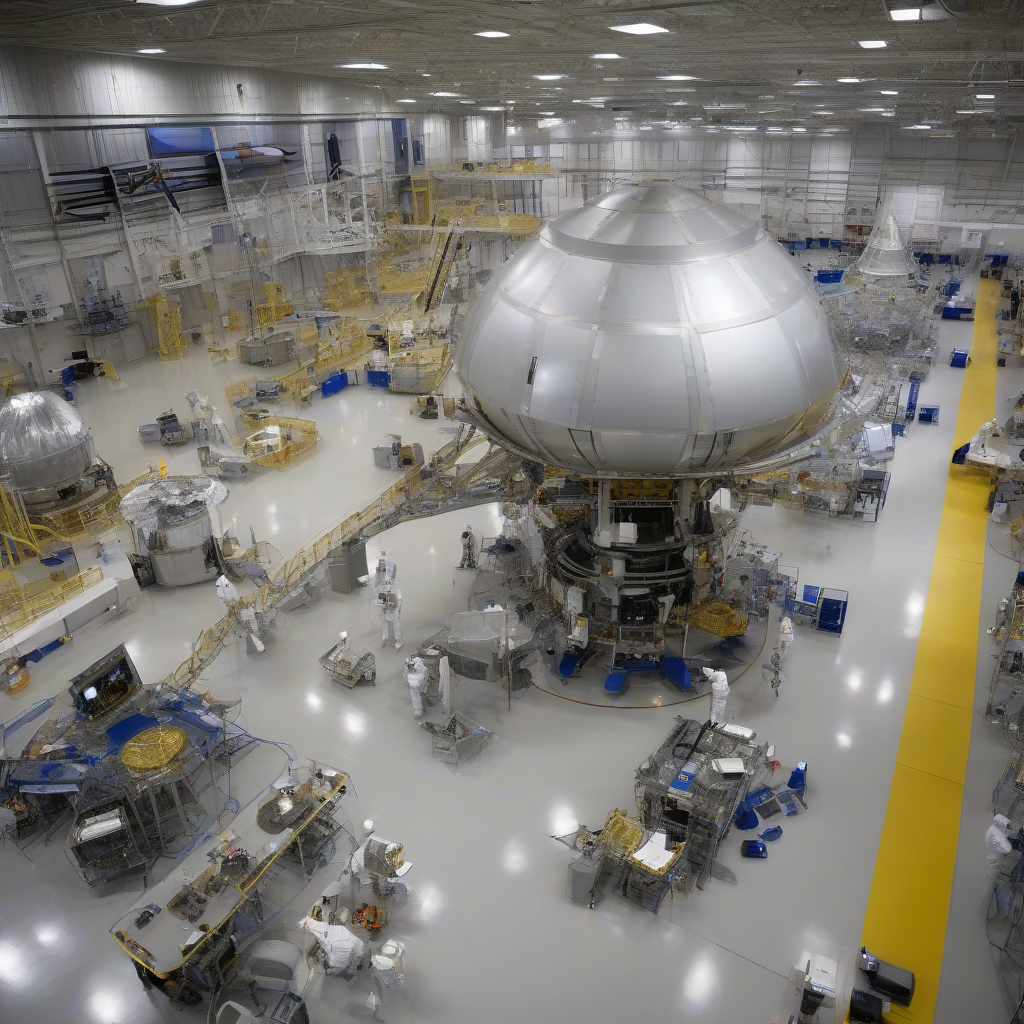
Blue Origin’s contribution, the Blue Moon MK1 lander, recently passed a major milestone regarding its Endurance mission. The vehicle successfully completed an environmental testing campaign at NASA’s Johnson Space Center in Houston, which included a thermal-vacuum assessment to confirm the hardware can withstand lunar conditions. The lander’s primary structure, propulsion systems, and avionics are fully assembled. Additionally, the craft has concluded communications testing with the Deep Space Network and the Tracking and Data Relay Satellite System.

Why It Matters

The pivot toward a commercial delivery model via CLPS signifies a shift in space logistics, moving from one-off exploration to a supply-chain-based operational model. By offloading the design and construction of lunar landers to private entities, NASA is attempting to lower the barrier to entry for the lunar surface. If successful, this creates a repeatable market for cargo delivery, which may eventually encourage non-governmental entities to invest in space-based manufacturing or mining. The success of this infrastructure relies heavily on the ability to standardize cargo interfaces across disparate commercial platforms, a move that could dictate the industrial standards for lunar commerce for decades.

Deployment Roadmap & Timeline

2028

Target date for commercial partner lander deliveries

2029

Conclusion of Phase I robotic mission operations

Expected Next Steps

  • 1Proceed with upcoming integration milestones for the Blue Origin MK1 lander.
  • 2Initiate cryogenic propellant testing for the Blue Origin lander.
  • 3Conduct remaining robotic missions under the CLPS initiative to validate infrastructure.

Frequently Asked Questions

NASA's commercial partners are working toward delivering landers by 2028.

Phase I includes more than twenty robotic landings between now and 2029.

The MK1 lander has completed thermal-vacuum testing at Johnson Space Center and has finished communications checkouts.

Source Transparency & Verified Dispatches

✓ Verified Primary Data
NASA News Releases💼 Corporate Dispatch
Source ↗

Reader Discussion & Insights

Leave a Comment

Loading discussion thread...

Get Breaking Global Intel in Your Inbox

Subscribe to the Skyline Wire AI Daily Briefing. Direct insights across Aviation, Tech, EVs, and Markets.

Original announcement link: NASA News Releases

nasamoon-baseclpsblue-originlunar-exploration
nasa moon baselunar cargo landercommercial lunar payload servicesblue origin mk1lunar south pole mission