
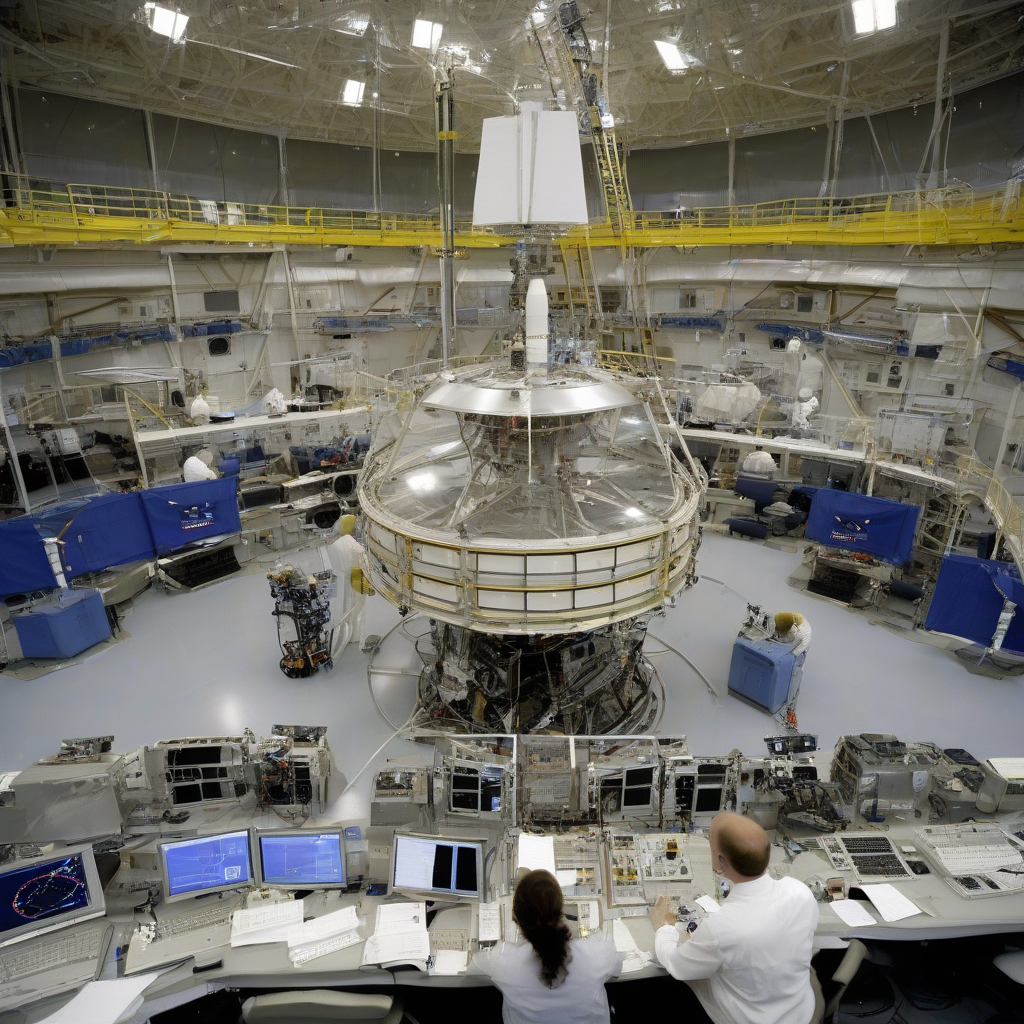

Engineers at NASA’s Jet Propulsion Laboratory (JPL) in Southern California have commenced critical electromagnetic interference testing for the upcoming SkyFall mission. According to NASA News Releases, ground-penetrating radar engineer Maya Román is overseeing the process, which involves configuring test antennas within the facility’s specialized Environmental Test Lab chamber.
To ensure data integrity, the hardware is oriented upward during measurements to mitigate signal reflections and interference. This preparation phase is essential for verifying the performance of the communication systems slated for the mission. SkyFall is slated to utilize a fleet of three aircraft, each equipped with four distinct instruments to conduct planetary observations.
| Feature | Detail |
|---|---|
| Project Name | SkyFall |
| Primary Facility | Jet Propulsion Laboratory (JPL) |
| Mission Launch Date | Late 2028 |
| Aircraft Count | 3 |
| Instruments per Aircraft | 4 |
This mission development draws upon operational lessons learned from the Ingenuity Mars Helicopter project. Ingenuity established a significant precedent for aerial exploration in the Martian environment, successfully completing 72 flights over a duration of nearly three years. By demonstrating the feasibility of controlled, powered flight in thin atmospheres, Ingenuity provided the technical foundation for the aerial perspective that SkyFall aims to advance. The project is expected to launch aboard the NASA Space Reactor-1 Freedom vehicle in late 2028. Data collected by the mission will assist the Perseverance Mars rover team in optimizing navigational routes and identifying high-priority locations for scientific investigation.
Why It Matters
The SkyFall mission represents a shift toward multi-platform aerial surveillance for planetary exploration. By deploying three coordinated aircraft rather than a single unit, NASA is moving toward a networked approach to surface mapping. This transition allows for faster spatial coverage and provides redundant data streams, which are essential for surface operations in extreme environments. If successful, this multi-aircraft strategy could replace the reliance on single-node robotics, effectively lowering the risk-per-site ratio and significantly expanding the amount of terrain a single mission can analyze during its operational lifecycle.
Reader Discussion & Insights