
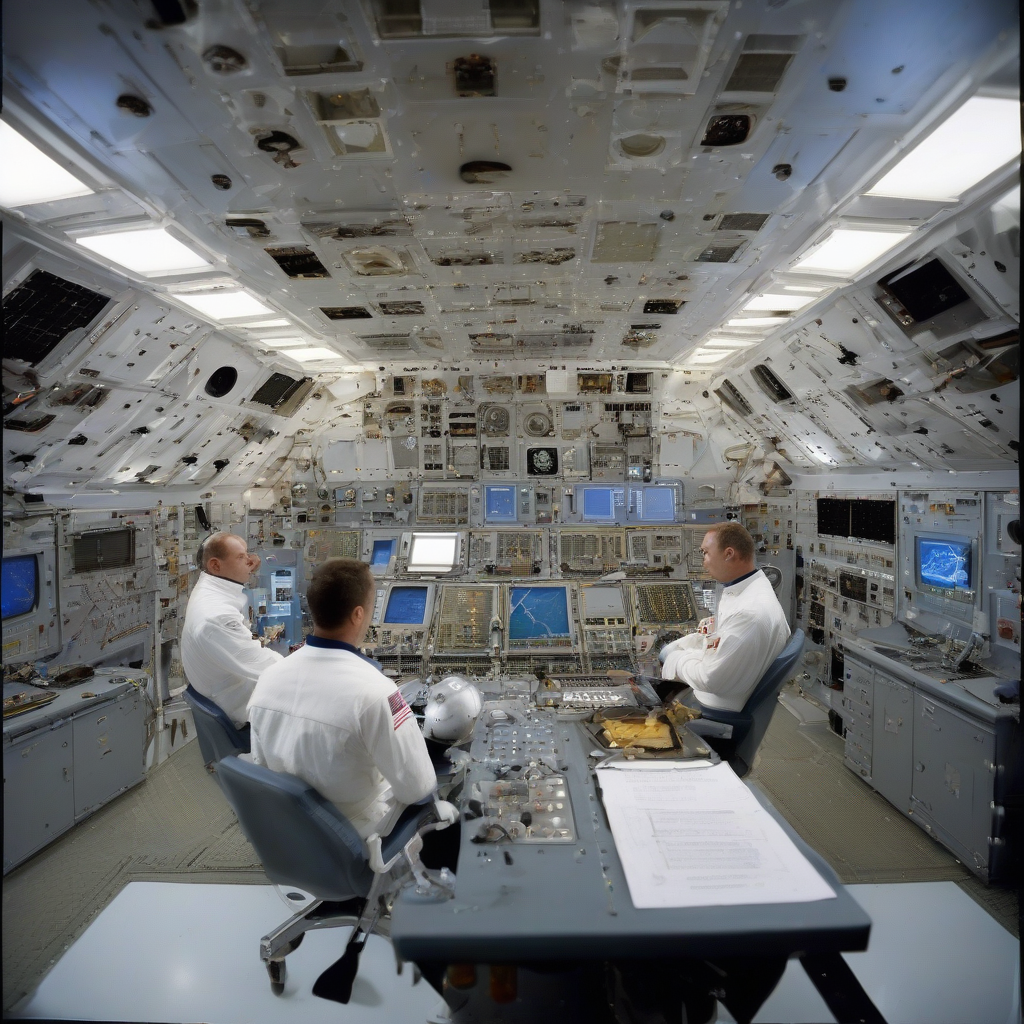

On July 16, 2026, NASA astronaut Adam Fuhrmann participated in a specialized training exercise aboard a WB-57 aircraft, according to NASA News Releases. This flight session serves as a foundational component of astronaut preparation, focusing on the logistical and physical challenges associated with operating within restricted, high-altitude environments.
Training Operations Data
| Attribute | Detail |
|---|---|
| Astronaut | Adam Fuhrmann |
| Aircraft Model | WB-57 |
| Date of Flight | July 16, 2026 |
| Primary Objective | High-altitude environment simulation |
The training focuses on the requirement for crew members to remain proficient in aircraft system management while utilizing pressurized flight suits. These operational parameters are designed to mirror the rigors of future endeavors beyond Earth’s atmosphere, including missions targeting the International Space Station, lunar exploration, and subsequent deep-space objectives. By utilizing the WB-57, NASA provides its personnel with a high-altitude platform that approximates the spatial limitations and atmospheric requirements necessary for human spaceflight.
According to NASA News Releases, this training is standard protocol for ensuring that astronauts maintain optimal performance capabilities. The transition from terrestrial training environments to the high-altitude conditions offered by the WB-57 platform allows for a controlled exposure to the complexities of equipment manipulation while encased in specialized life-support gear.
Why It Matters
High-altitude training platforms like the WB-57 are essential for the commercialization and internationalization of space flight. As NASA and its partners pivot toward sustained lunar presence and potential private sector orbital habitats, the ability to manage complex systems in confined, pressurized environments becomes a critical skill set. By refining these workflows, agencies reduce the risk of human error during long-duration missions. Furthermore, the standardization of these training procedures suggests a maturation of mission preparedness that will likely inform safety protocols for future commercial crewed flights, ensuring that pilots remain agile under extreme physiological stress.
Reader Discussion & Insights