
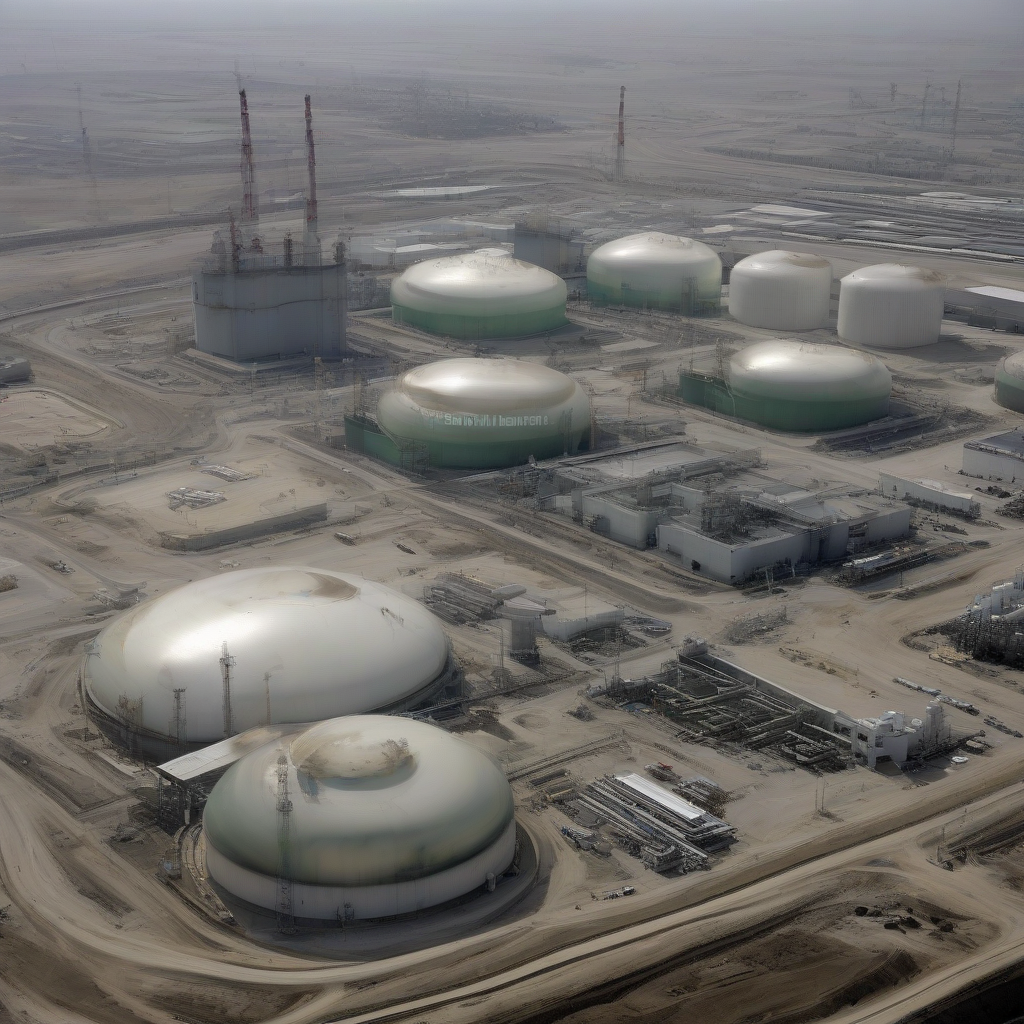
The intensifying conflict in the Middle East has introduced a high degree of volatility into global energy supply chains, specifically threatening the projected expansion of the liquefied natural gas (LNG) sector. While market observers typically focus on crude oil volatility, the current geopolitical climate is placing immense strain on gas transit routes, according to OilPrice.com.
Projected LNG Demand Growth
In a report issued at the end of June, Shell provided a long-term outlook for the LNG market. The company projected that annual global demand would reach approximately 700 million tons by 2050. This figure represents an estimated 65% increase from previous benchmarks, suggesting a significant scaling of infrastructure and trade capacity. However, current regional instability poses risks to the realization of these forecasts.
Market Data Comparison
| Metric | Forecasted Value |
|---|---|
| 2050 Annual LNG Demand Target | 700 million tons |
| Projected Growth Percentage | 65% |
| Reporting Organization | Shell |
| Data Release Date | End of June |
Why It Matters
The reliability of LNG as a bridge fuel depends heavily on predictable international shipping corridors. When geopolitical volatility rises in major producing regions, the insurance premiums and freight costs for LNG tankers spike, often rendering long-term supply contracts less viable. Furthermore, potential infrastructure damage or transit blockades in key maritime chokepoints can force a total pivot in energy strategy for importing nations in Asia and Europe. If these disruptions become structural rather than temporary, it could fundamentally reorder global energy dependency, forcing consuming nations to accelerate domestic production or prioritize smaller, geographically diverse pipelines over international LNG trade.
Reader Discussion & Insights