
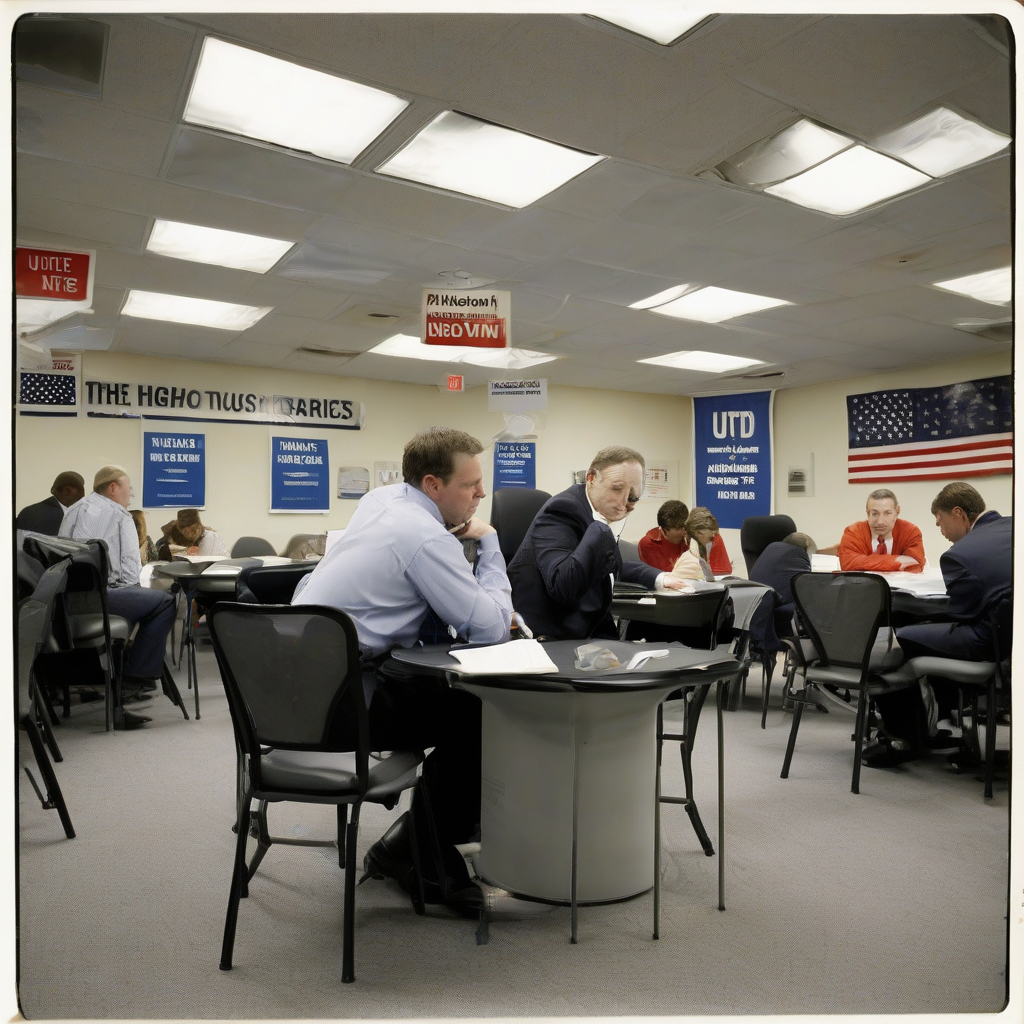
Michigan voters are currently engaging in a pivotal election cycle, determining the future of key Senate and House positions as the state nears a transition in executive leadership, according to ABC News — Top Stories. The electoral process is marked by significant interest in federal representation as well as the race to identify a successor for current Governor Gretchen Whitmer, who is barred from seeking reelection due to term limits.
The political intensity in Michigan remains high as constituents evaluate candidates for congressional seats that could alter the legislative balance in Washington. These contests are being closely monitored by political analysts and government entities, as Michigan frequently serves as a barometer for national electoral trends. The Department of Transportation (DOT) and other federal regulatory bodies maintain interest in these outcomes, as shifts in legislative control often dictate future infrastructure spending, federal grant distributions, and regional policy priorities.
Electoral Focus Areas
| Election Category | Context | Status |
|---|---|---|
| U.S. Senate | Federal Representation | Competitive |
| U.S. House | Congressional Seat | Competitive |
| Gubernatorial | Executive Branch | Open Seat |
Why It Matters
The outcome of these Michigan elections carries substantial implications for domestic logistics and industrial policy. Legislative shifts in the House and Senate directly influence the prioritization of federal transportation appropriations and infrastructure maintenance schedules. As the state prepares to transition to a new executive administration, the alignment of state-level policy with federal regulatory frameworks will determine the efficiency of regional trade corridors and manufacturing supply chains. Businesses must anticipate potential changes in state regulatory burdens and investment climates as new leadership settles into office, affecting long-term infrastructure planning and regional economic stability.
Reader Discussion & Insights