
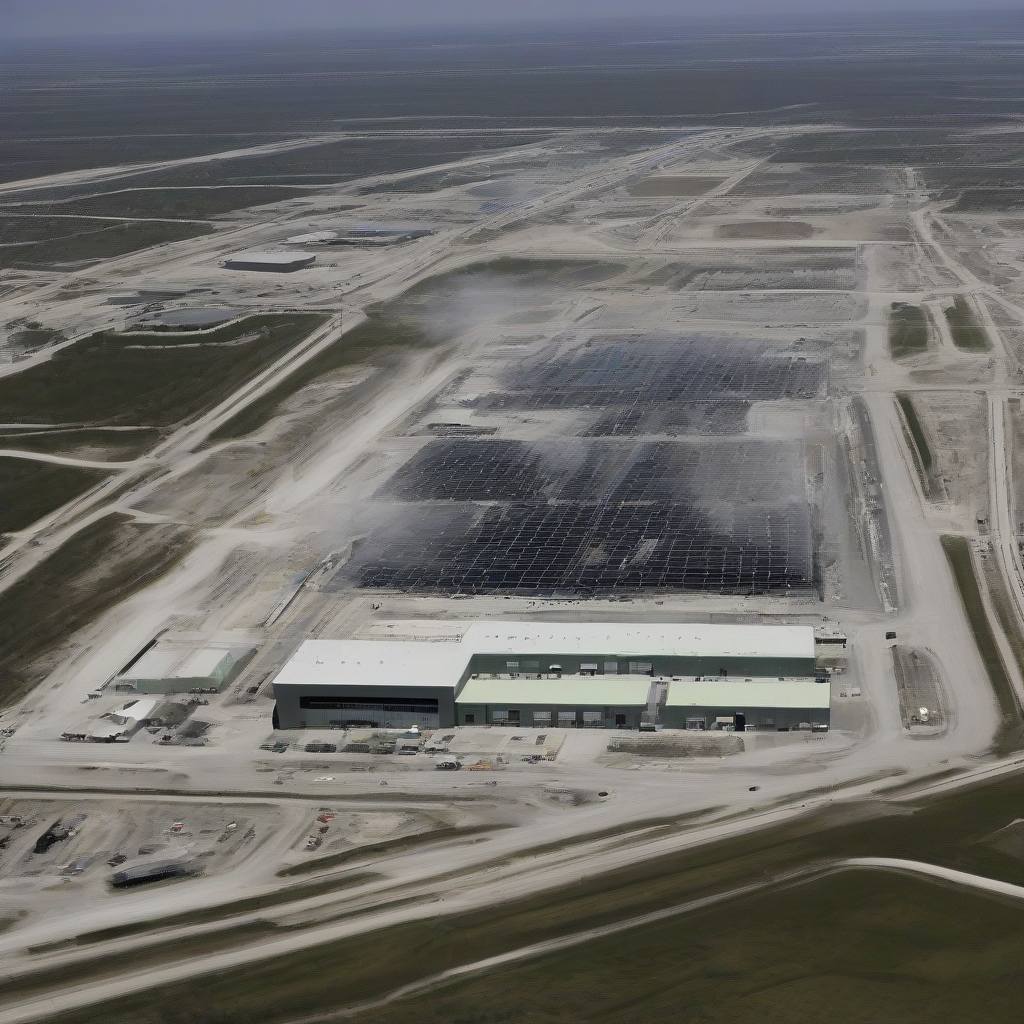

Mexican President Claudia Sheinbaum has formally prohibited hydraulic fracturing operations within the Tampico-Misantla basin, a major geological zone spanning the states of Veracruz and Tamaulipas. According to OilPrice.com, this decision establishes a firm policy stance against unconventional extraction methods in the region, despite ongoing national efforts to decrease the country's reliance on natural gas imports from the United States.
The administration cited multiple concerns as the primary justification for the ban, specifically highlighting the high population density within the basin, the presence of indigenous communities, and the protection of local freshwater reserves. This policy directive marks a significant move under Sheinbaum’s leadership as the government balances energy security goals against domestic ecological protections.
While the ban prevents the use of hydraulic fracturing in this specific basin, President Sheinbaum has commissioned a specialized panel to evaluate the potential role of unconventional gas production in mitigating current import requirements. Mexico currently depends on foreign sources to meet a substantial portion of its domestic natural gas demand, necessitating heavy trade reliance on U.S. markets.
| Feature | Details |
|---|---|
| Affected Basin | Tampico-Misantla |
| States Involved | Veracruz, Tamaulipas |
| Primary Restriction | Hydraulic Fracturing (Fracking) |
| Status | Prohibited |
Why It Matters
The prohibition of fracking in the Tampico-Misantla basin complicates the Mexican government's long-term energy independence agenda. Natural gas remains the backbone of the country's power generation capacity. By closing off one of the most promising shale prospects, the administration creates a widening supply gap that must be filled. This decision suggests that Mexico will likely continue to prioritize environmental and social sustainability over domestic energy self-sufficiency in the near term, forcing state-run entities to either seek alternative non-fracking technologies or remain committed to long-term cross-border infrastructure contracts with U.S. natural gas exporters.
Reader Discussion & Insights