
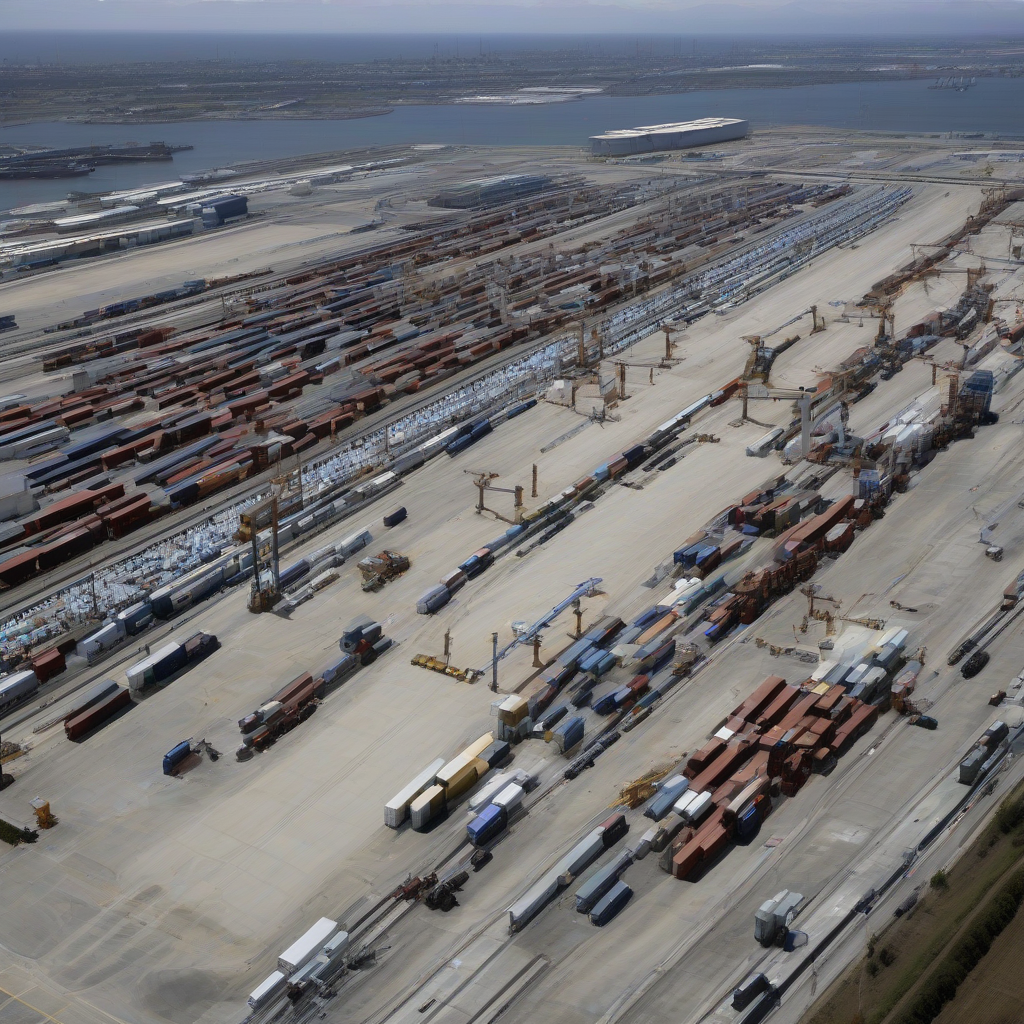

Matson, a prominent ocean carrier, anticipates that its primary shipping routes from China will maintain capacity at or near maximum levels through the duration of the peak season. According to Supply Chain Dive, this outlook follows a performance period in July where company services exceeded their standard capacity metrics.
CEO Matthew Cox indicated that the current strength in the transpacific trade lane is largely driven by a trend of export frontloading. This activity suggests that shippers are proactively moving goods out of China to avoid potential disruptions or cost fluctuations later in the year. The carrier’s ability to manage this volume underscores its specific position within the logistics sector, focusing on premium, high-speed services that cater to time-sensitive supply chains.
Operational Status Summary
| Operational Metric | Status / Projection |
|---|---|
| July Performance | Exceeded Capacity |
| Peak Season Projection | At or near capacity |
| Primary Trade Route | Transpacific (China) |
Why It Matters
The reliance on frontloading highlights a shift in manufacturer behavior as they attempt to preemptively secure inventory levels amid global economic volatility. While frontloading provides short-term volume spikes for carriers like Matson, it creates a potential vulnerability: a 'demand cliff' in the following quarters. If inventory levels balloon prematurely at US-based warehouses, subsequent import orders may diminish rapidly. This cycle tests the operational elasticity of logistics firms and forces a delicate balance between maximizing current asset utilization and preparing for a potential cooling of transpacific import demand in early 2025.
Reader Discussion & Insights