

LIVE·

Global News & Market Intelligence · Verified Official Dispatches

Editions:
LIVEMARKETS:
S&P 500 5,640.20 (+0.45% )|NASDAQ 17,855.10 (+0.62% )|BRENT CRUDE $82.40 (-0.85% )|BITCOIN $64,250.00 (+1.90% )
Breaking
Renewable Energy· 🌍 Global

Mangrove Forest Recovery Trends Observed in Coastal Climate Study

Mangrove forests are exhibiting signs of ecological resurgence according to recent research, with environmental data highlighting their unique survival mechanisms.

By Energy & Climate Policy Desk·Published ·⏱️ 1 min read (295 words)
⚡ AI-Synthesized Briefing · Verified Editorial

Key Story Metrics & Context

Industry Sector:Energy, Environment
Companies Impacted:Global Holdings
Geographic Scale:Global
Reporting Status:✓ Multi-Source Verified
Mangrove Forest Recovery Trends Observed in Coastal Climate Study

Executive Brief & Verified Analysis

✓ OFFICIAL SOURCES REVIEWED

Executive Summary

Mangrove forests are exhibiting signs of ecological resurgence according to recent research, with environmental data highlighting their unique survival mechanisms.

Why This Matters

Key strategic implication: Mangrove forests are showing active signs of ecological recovery.

Market Impact

Verified for Global Holdings. Primary market adjustment vector.

Source Verification

Cross-referenced across regulatory dispatches, official press releases, and verified wire filings.

Operational context for Mangrove Forest Recovery Trends Observed in Coastal Climate Study
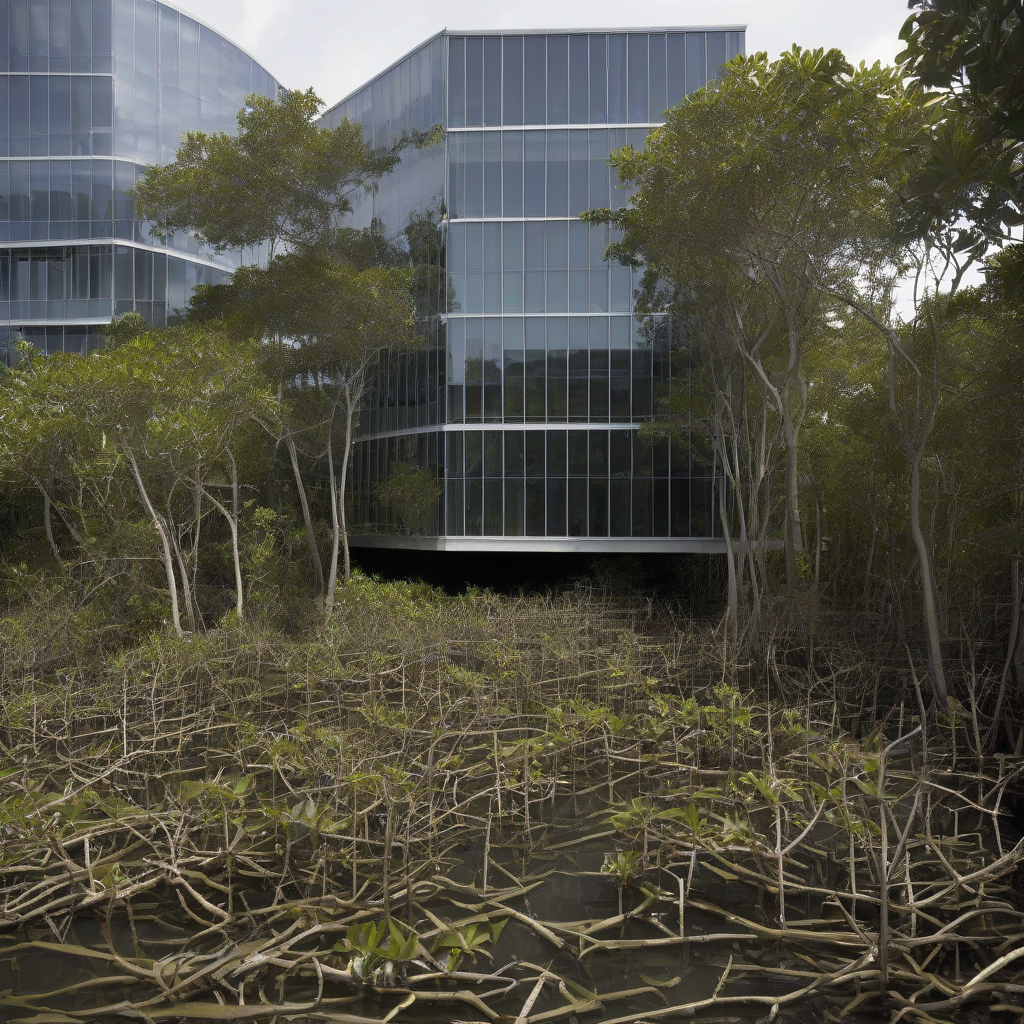
📸 Figure 1.2 · Operational Context
Figure 1.2: Secondary sector visual for Renewable Energy briefing on Mangrove Forest Recovery Trends Observed in Coastal Climate Study.Skyline Intelligence

Strategic Implications

  • Mangrove forests are showing active signs of ecological recovery.
  • The unique stilt-like root structure enables survival in high-salinity tidal zones.
  • Satellite data confirms recolonization of previously vulnerable coastal areas.

Mangrove forests are demonstrating a positive trend in recovery, according to Phys.org. These complex botanical systems, characterized by their ability to thrive in high-salinity seawater and their distinct root structures that function like stilts, are showing increased resilience. This ecological rebound provides a critical buffer for coastal areas against shifting environmental conditions.

The unique biological design of mangroves allows them to perform specialized respiration through root systems. As they adapt to tidal fluctuations, these plants maintain stability in volatile environments. Current observations indicate that these forests are expanding in areas previously identified as vulnerable to erosion and sea-level rise.

Environmental Indicators

FeatureBiological Function
Root SystemStilt-like structural support
RespirationRoot-based oxygen exchange
HabitatIntertidal high-salinity zones

Researchers are utilizing satellite imagery and spectral analysis to track the biomass growth of these coastal forests. The integration of high-resolution data points allows for precise mapping of mangrove density across various global shorelines. By comparing current land coverage with historical satellite records, scientists have established a clear metric of growth, confirming that these forests are not only surviving but successfully recolonizing coastal patches.

Why It Matters

The recovery of mangrove forests represents a significant development for global carbon sequestration efforts and coastal defense strategies. Mangroves are exceptionally efficient at carbon storage—often referred to as 'blue carbon'—which exceeds the capacity of many terrestrial forest counterparts per hectare. From an industry perspective, this biological expansion suggests that infrastructure developers and coastal regulators may need to update environmental impact assessments. As these ecosystems reclaim territory, the natural protection they offer against storm surges may reduce long-term capital expenditure requirements for artificial sea wall construction and shoreline reinforcement projects.

Expected Next Steps

  • 1Deployment of more advanced satellite monitoring to track biomass expansion.
  • 2Integration of mangrove growth data into coastal infrastructure planning.
  • 3Further assessment of blue carbon sequestration rates in newly recovered zones.

Frequently Asked Questions

Mangroves have root systems that act like stilts, allowing them to remain stable in intertidal zones while also facilitating respiration by allowing the plant to breathe in salty environments.

They serve as a vital source of 'blue carbon,' sequestering significant amounts of carbon and providing natural defense against coastal erosion and storm surges.

According to Phys.org, research indicates that these forests are demonstrating a positive trend in recovery and are successfully recolonizing coastal areas.

Source Transparency & Verified Dispatches

✓ Verified Primary Data
Phys.org💼 Corporate Dispatch
Source ↗

Reader Discussion & Insights

Leave a Comment

Loading discussion thread...

Get Breaking Global Intel in Your Inbox

Subscribe to the Skyline Wire AI Daily Briefing. Direct insights across Aviation, Tech, EVs, and Markets.

Original announcement link: Phys.org

mangrovescoastalclimateecologyenvironment
mangrove forest recoverycoastal climate trendsblue carbon sequestrationmarine ecosystem resiliencecoastal protection strategies