
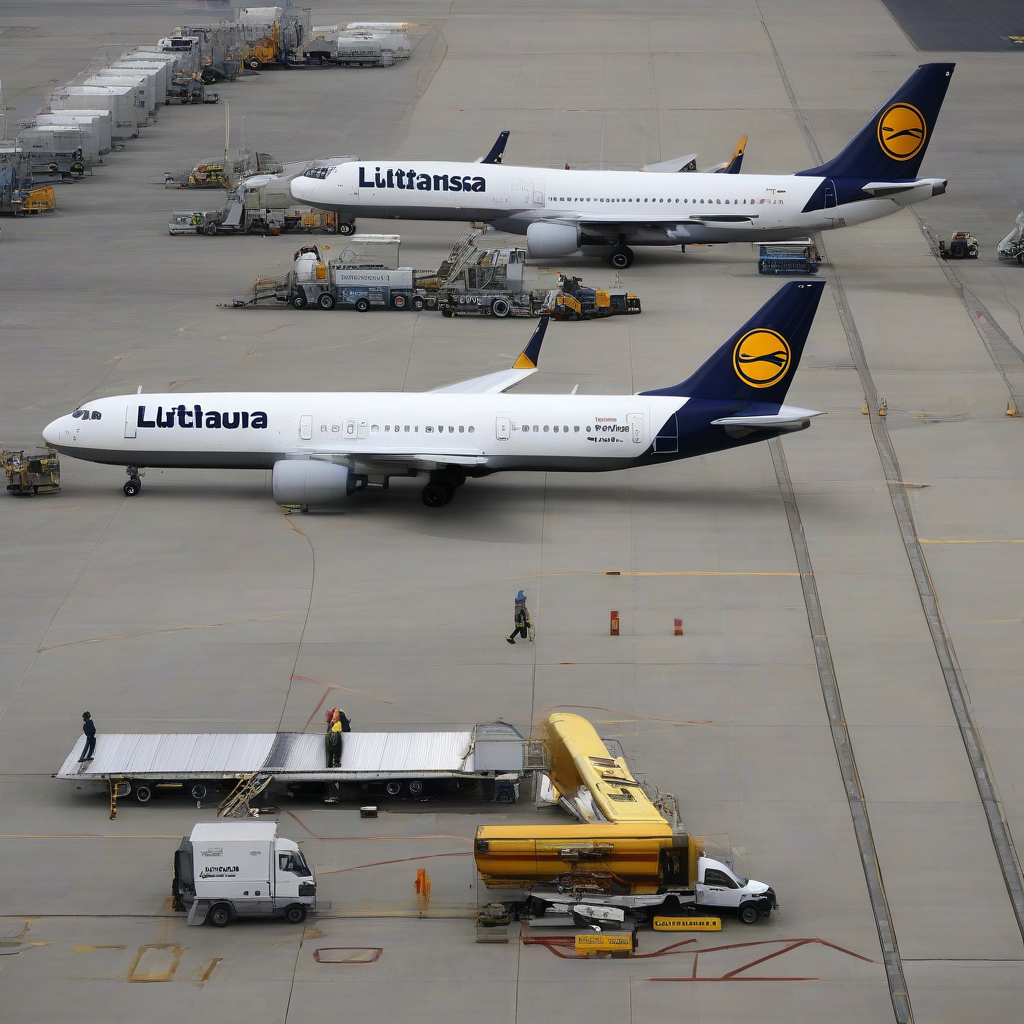
Lufthansa Group reported an adjusted EBIT loss of €37 million for the second quarter of 2026, according to FlightGlobal. The German mainline carrier faced significant financial headwinds, primarily attributed to industrial action and increasing fuel expenses. This performance stands in contrast to the €247 million profit the airline recorded during the same period in 2025.
Chief Executive Carsten Spohr indicated that labor disruptions had an estimated negative financial impact of at least €150 million ($173 million) during the second quarter. While services across the Lufthansa Group—including Eurowings and Lufthansa Cargo—were impacted by earlier walkouts, management remains optimistic about avoiding further strikes during the summer season. Spohr stated that the company is currently engaged in confidential but constructive negotiations with both cockpit and cabin union leadership.
Despite the quarterly loss, the company maintains that its broader turnaround strategy is progressing. The group is targeting a gross earnings improvement of roughly €1.5 billion for the current fiscal year. To bolster efficiency, the company has accelerated fleet renewal efforts and shifted capacity toward new subsidiaries. Notably, Lufthansa City Airlines has expanded its fleet to 18 aircraft, while operations for Lufthansa CityLine were phased out earlier this spring.
Financial and Operational Performance
| Metric | Q2 2026 | Q2 2025 |
|---|---|---|
| Adjusted EBIT (Mainline) | -€37 million | €247 million |
| New Gen Aircraft Share | 26% | 22% |
Lufthansa Group Chief Financial Officer Till Streichert noted that the proportion of new-generation aircraft within the fleet has risen from 22% to 26% over the past 12 months. The group maintains an long-term objective of reaching a 50% threshold for new-generation aircraft as fleet renewal programs continue to scale in alignment with existing order books.
Why It Matters
Lufthansa’s reliance on shifting capacity to lower-cost subsidiaries such as Discover Airlines and Lufthansa City Airlines highlights a structural evolution within European legacy carriers. By fragmenting operations, the airline seeks to bypass the rigid cost structures associated with mainline labor agreements. However, this strategy creates potential for long-term friction with unions, who view the movement of capacity as a threat to job security and bargaining power. The financial drag of Q2 serves as a reminder that operational efficiency remains at the mercy of legacy industrial relations in the European aviation sector.
Reader Discussion & Insights