
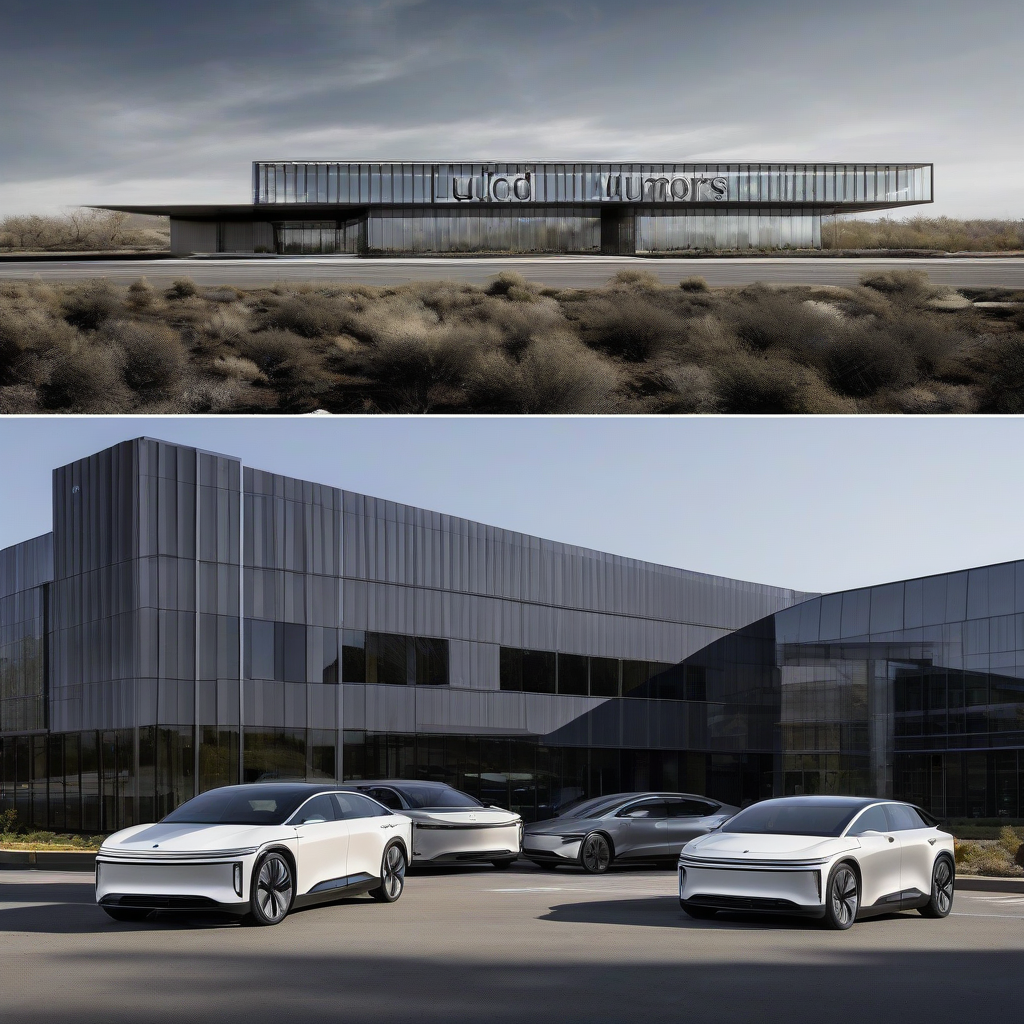
Lucid Motors has unveiled a comprehensive strategic realignment aimed at long-term financial viability, centering on a plan to generate $1.4 billion in cash savings. According to Lucid Motors, this initiative is essential to optimizing internal operations as the company pivots toward future mobility solutions, including the development of autonomous robotaxi technology.
The manufacturer is currently working to reconcile its high production costs with the broader market demand for premium electric vehicles. By prioritizing capital efficiency, leadership aims to tighten operational expenditures without compromising the core engineering standards that define the brand. While the company has historically focused on luxury sedans, the inclusion of robotaxi development signals a broader transition toward mobility-as-a-service platforms.
Financial and Operational Data
| Focus Area | Objective | Financial Impact |
|---|---|---|
| Cash Management | Efficiency Measures | $1.4B Savings |
| New Ventures | Autonomous Platforms | Robotaxi R&D |
Internal documents and public statements suggest that this strategy serves as a blueprint to mitigate the capital-intensive nature of manufacturing premium EVs. As the company continues to manage its liquidity, the integration of autonomous technology is expected to create new revenue channels that differ from traditional direct-to-consumer sales.
Why It Matters
The pivot toward robotaxis indicates that even premium EV manufacturers are feeling the pressure to move beyond simple vehicle ownership models. By aiming for $1.4 billion in savings, Lucid is attempting to balance the books while betting on the eventual maturation of autonomous software. The challenge remains whether a boutique luxury manufacturer can compete with established tech giants and legacy automakers in the high-stakes software-defined vehicle race, where the barrier to entry is high and the technological cycle is relentless. Success will depend on execution speed and capital discipline.
Reader Discussion & Insights