
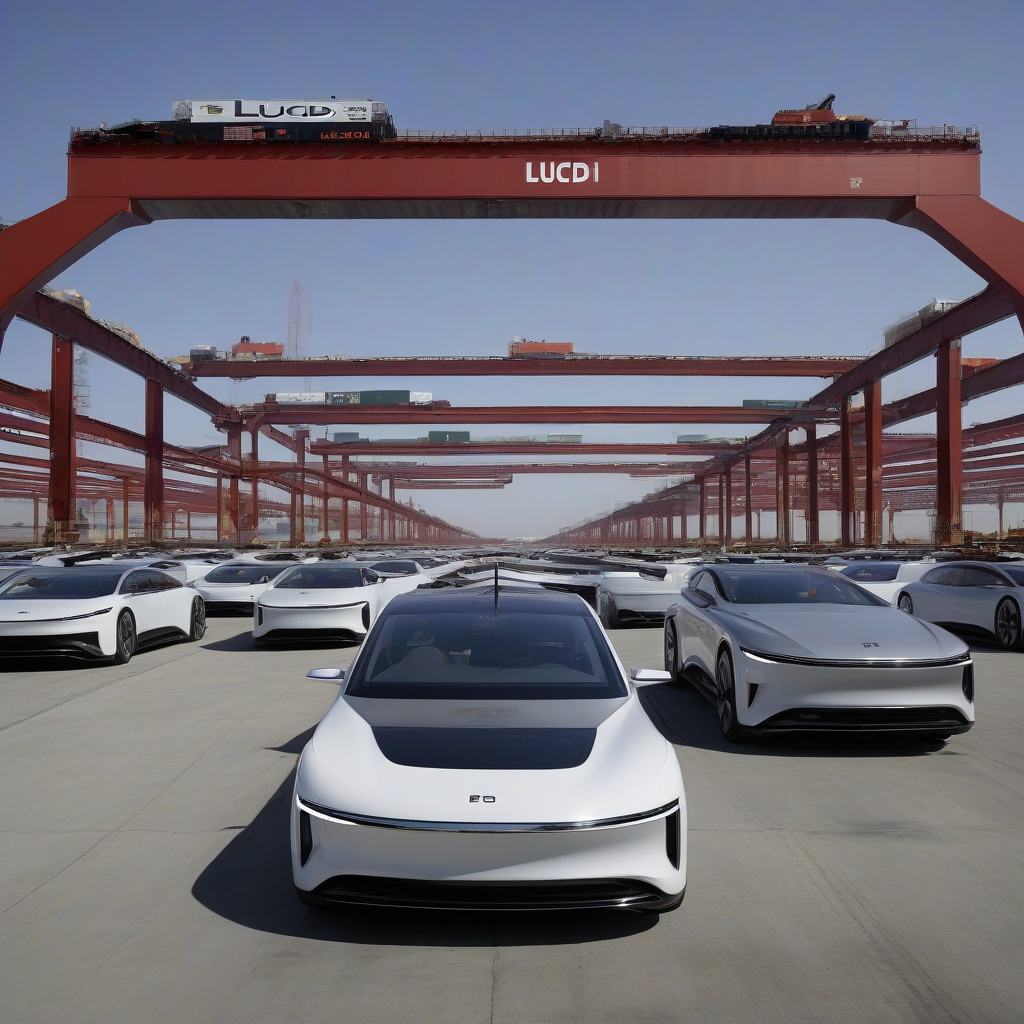
According to Electric Vehicles, Lucid Motors CEO Peter Rawlinson has publicly stated that the United States cannot effectively remain isolated from the rapid advancements and competitive pressures of the Chinese electric vehicle industry. Rawlinson suggests that rather than focusing purely on protective barriers, the domestic industry must confront the reality of the global market.
Rawlinson’s comments highlight the intensity of international development in electric propulsion and manufacturing efficiency. As Chinese manufacturers continue to expand their technological capabilities and scale production, Western automotive leaders are evaluating the long-term impact on domestic market share and innovation cycles.
| Industry Metric | Analysis Context |
|---|---|
| Competitive Pressure | Rising Chinese market influence |
| Strategic Approach | Avoidance of market isolation |
| Industry Focus | Global EV development pace |
Why It Matters
The warnings from Lucid’s leadership reflect a broader anxiety regarding the pace of innovation within the automotive sector. If domestic firms prioritize insulation over technological parity, they risk falling behind in manufacturing efficiency and battery integration. The challenge for the US government is to balance domestic protectionist policies with the necessity of maintaining competitive relevance. Failing to address these realities could result in a stagnant domestic industry unable to challenge the pricing and performance benchmarks set by international competitors, potentially limiting consumer choice and accelerating a loss of global automotive dominance.
Reader Discussion & Insights