
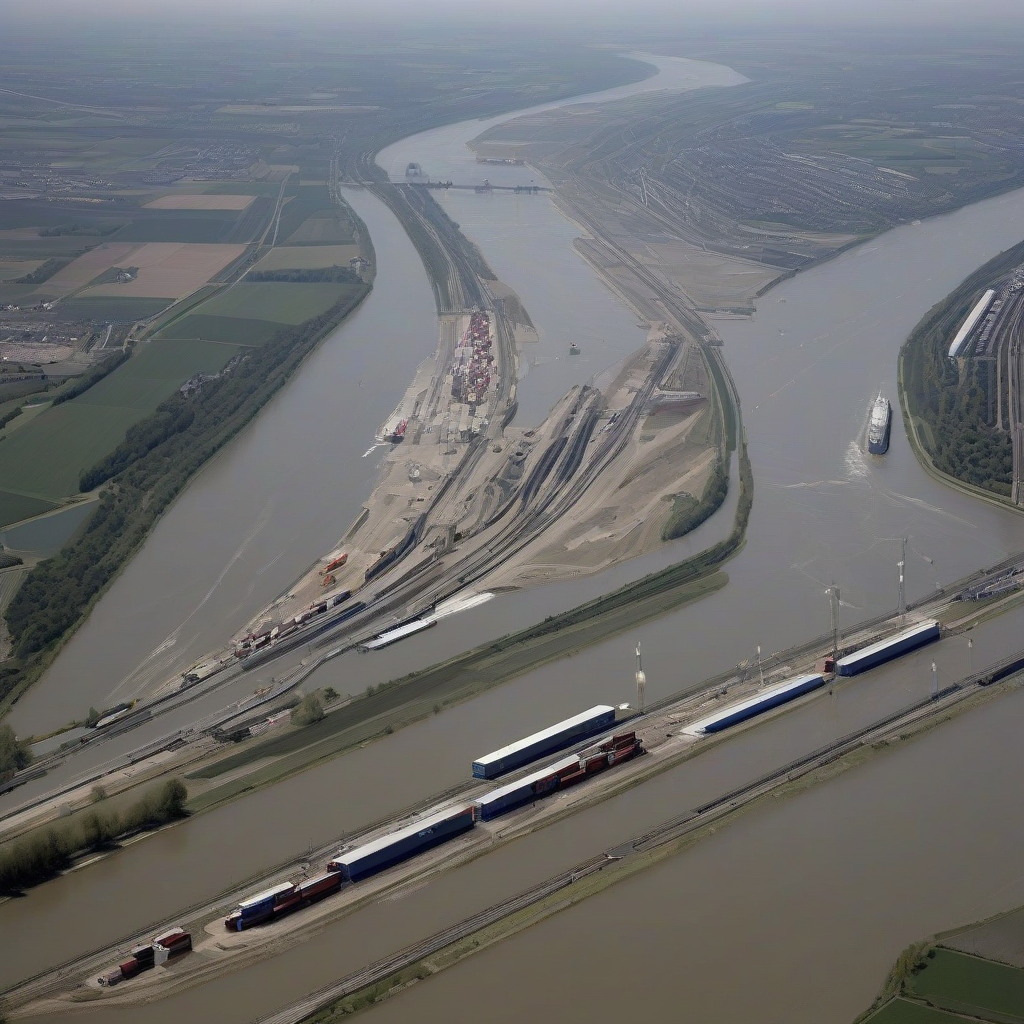

Rising temperatures and persistent drought conditions are causing significant drops in water levels along Germany’s major river arteries, according to Phys.org. This environmental shift poses a serious risk to the national economy by severely restricting the capacity of riverboat cargo traffic, which serves as a vital logistics link for industrial transport.
The decline in river depth forces freight vessels to operate with reduced loads to avoid running aground, effectively strangling the supply chain for essential commodities. This situation creates a compounding effect on Germany’s economic output, as the nation relies heavily on inland waterways for the cost-effective transport of raw materials and finished goods.
Current Logistics Constraints
| Factor | Impact on River Freight |
|---|---|
| Water Depth | Restricted vessel draft and reduced load capacity |
| Heat/Drought | Increased operational delays and lower transit efficiency |
| Economic Risk | Potential for supply chain bottlenecks and inflationary pressure |
Authorities and regulatory bodies monitoring European inland navigation have warned that when water levels fall below specific safety thresholds, river operators must choose between halting transport or drastically lightening vessel loads. This transition limits the total tonnage moved daily, increasing reliance on rail and road alternatives, which are already nearing their logistical limits.
Why It Matters
The reliance on the Rhine for industrial logistics underscores a vulnerability in the German manufacturing sector that is often overlooked in favor of digital innovation. As extreme weather events become more frequent, the traditional reliance on river infrastructure faces an existential challenge. This shift is driving a need for urgent investments in predictive AI-driven logistics models that can re-route cargo dynamically before water levels reach critical lows. Failure to adapt to these hydrological fluctuations may lead to permanent shifts in regional trade routes, favoring more resilient inland infrastructure over traditional river-based supply chains.
Reliability in logistics is a cornerstone of industrial competitiveness. If river levels continue to fluctuate, manufacturers may be forced to carry higher safety stocks, which increases capital expenditure and reduces overall efficiency in the automotive and chemical production sectors. Future stability will likely depend on integrating meteorological forecasting with automated logistical planning systems.
Reader Discussion & Insights