
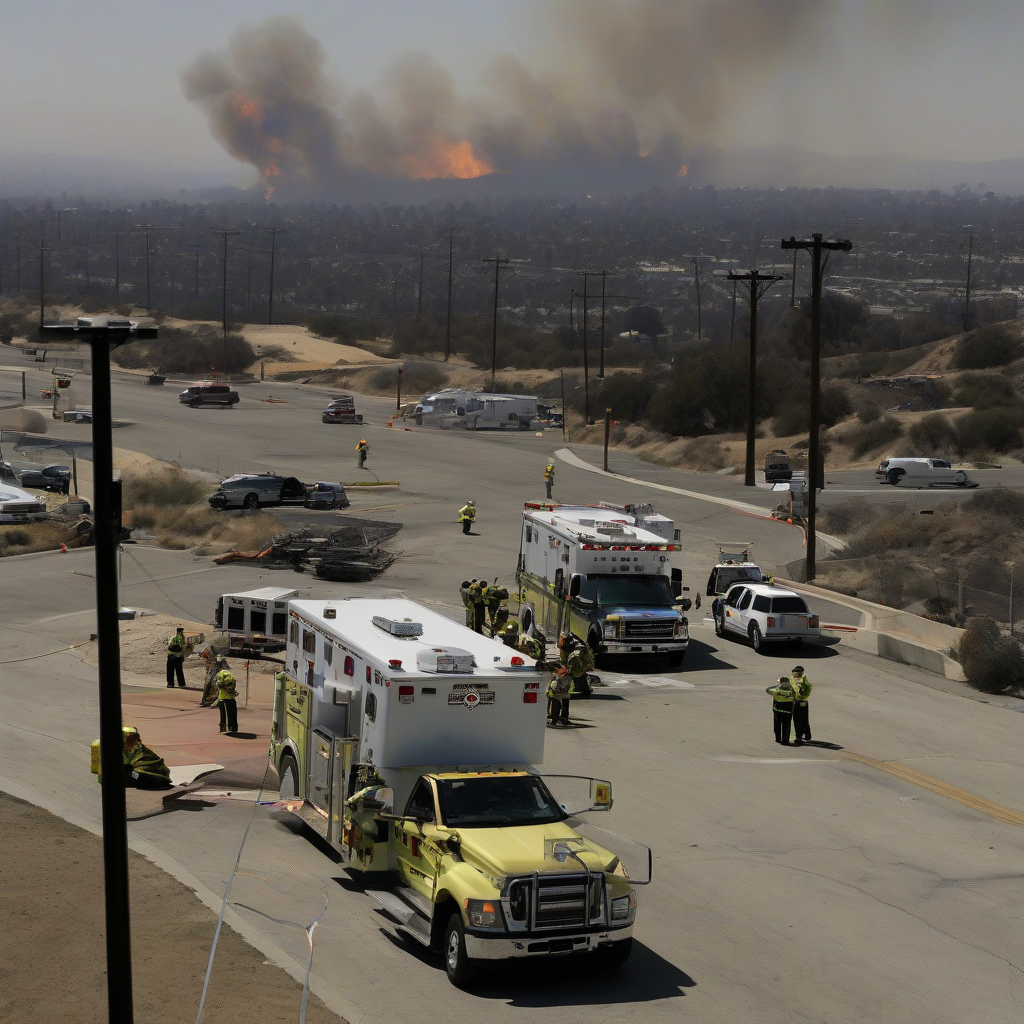
The Los Angeles County Fire Department issued a formal report on Tuesday identifying Southern California Edison (SoCal Edison) as the party responsible for the Eaton Fire that ignited on Jan. 7, 2025. Following an 18-month investigation involving electrical and metallurgical experts, investigators determined that electrical arcing from an out-of-service transmission tower triggered the blaze, according to TIME. The report specifies that faulty equipment shed sparks onto dry vegetation, which quickly escalated into a catastrophic event fueled by Santa Ana winds.
The wildfire resulted in severe destruction across Altadena and Pasadena, California. The statistical impact of the incident, alongside the concurrent Palisades Fire, is detailed below.
| Incident | Acres Burned | Structures Destroyed | Fatalities |
|---|---|---|---|
| Eaton Fire | 14,000+ | 9,000+ | 19 |
| Palisades Fire | 23,000+ | 7,000 | 12 |
While the Eaton Fire investigation points toward transmission equipment failure, SoCal Edison spokesperson Kathleen Dunleavy noted that the company is reviewing the findings. Dunleavy maintained that while the company acknowledges its equipment was likely associated with the start of the fire, the intensity and ultimate scale were influenced by multiple factors. The utility provider previously reported a "fault" on its lines to the California Public Utility Commission in January 2025. Meanwhile, the Palisades Fire, which ignited on the same day as the Eaton blaze, remains the subject of criminal proceedings, with a retrial scheduled for October 2026 after a mistrial was declared in June.
Why It Matters
The determination of corporate liability in wildfire events creates significant regulatory and financial pressures for utility operators. Beyond the immediate legal repercussions of nearly 1,000 pending lawsuits, this finding forces a shift in how utility firms manage grid hardening and the decommissioning of legacy infrastructure. The incident underscores a growing tension between state infrastructure safety mandates and the operational reality of managing aging transmission assets in fire-prone regions, likely leading to increased oversight from public utility commissions and potential restructuring of liability insurance models for energy providers.
Reader Discussion & Insights