
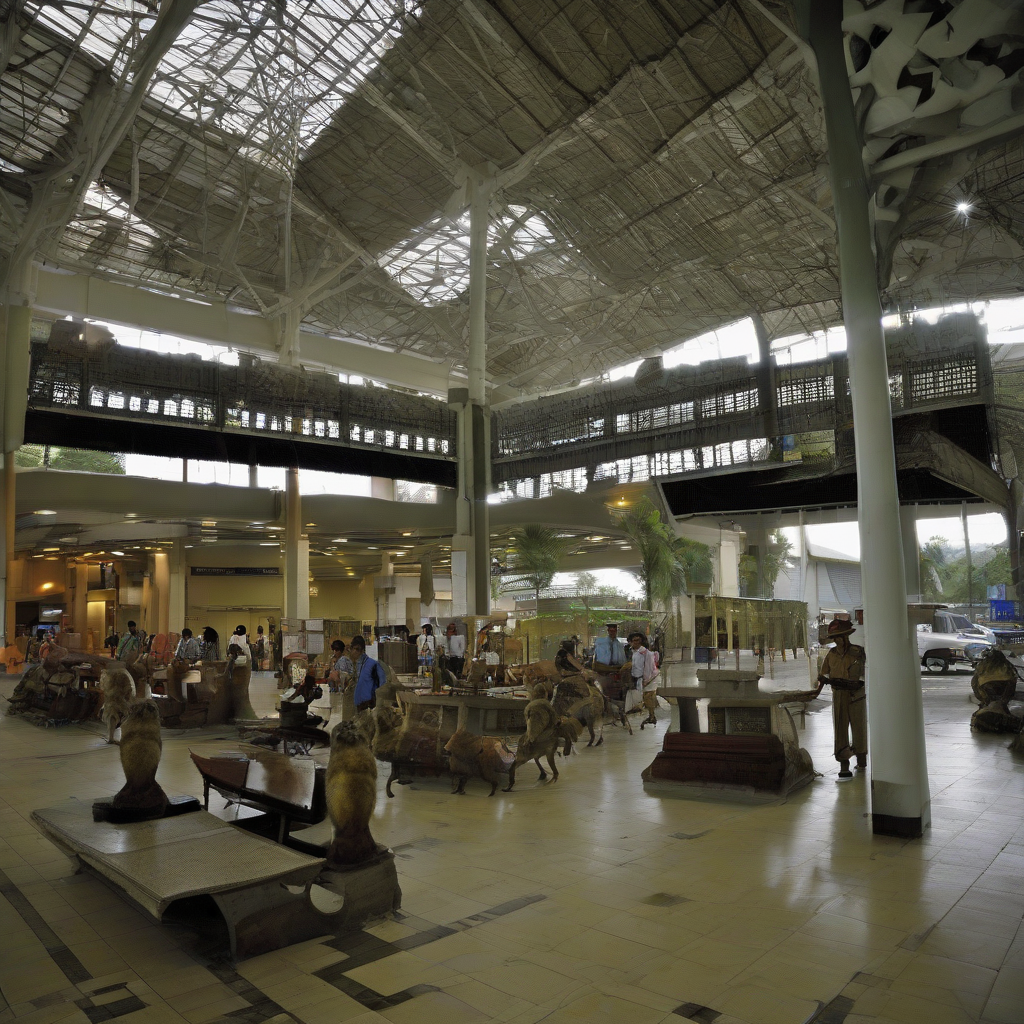
According to Travel And Tour World, the province of Lopburi, Thailand, is currently being promoted as a primary destination for international travelers seeking a combination of historical exploration and unique natural landmarks. The region is recognized for its ancient temples and significant wildlife interactions, specifically those involving the local monkey populations.
Key Attractions Overview
The tourism appeal of Lopburi is rooted in its historical architecture and seasonal agricultural landscapes. The province provides visitors with access to archeological sites that date back centuries, standing as testaments to the historical influence of the region. Among the most highlighted features are the monkey-related landmarks, which serve as a primary draw for global tourists interested in unique wildlife encounters. Furthermore, the province is known for its sunflower fields, which represent a significant segment of the local natural beauty.
| Feature | Attraction Category |
|---|---|
| Ancient Temples | Historical Architecture |
| Monkey Landmarks | Wildlife Interaction |
| Sunflower Fields | Agrotourism |
| Nature Escapes | Environmental Tourism |
Context and Regional Significance
Lopburi, situated in the central plains of Thailand, serves as an alternative for travelers wishing to bypass the more congested urban centers of Bangkok. Local authorities and tourism boards are focusing on these specific assets—temples, primates, and flora—to diversify the provincial tourism portfolio. The reference code associated with this report, TTW-1945794-1785914243, identifies the specific documentation provided by Travel And Tour World regarding these site highlights.
Why It Matters
The strategic promotion of secondary provinces like Lopburi serves as a vital tool for Thailand to manage the environmental impact of mass tourism. By decentralizing visitor traffic away from major hubs, the local government can improve infrastructure utilization and ensure more equitable economic growth across provincial borders. This approach is essential for sustainable tourism management, as it reduces the pressure on heritage sites and allows for more authentic, less congested experiences for visitors, thereby enhancing the overall value proposition of Thai tourism in a post-recovery global market.
Reader Discussion & Insights