
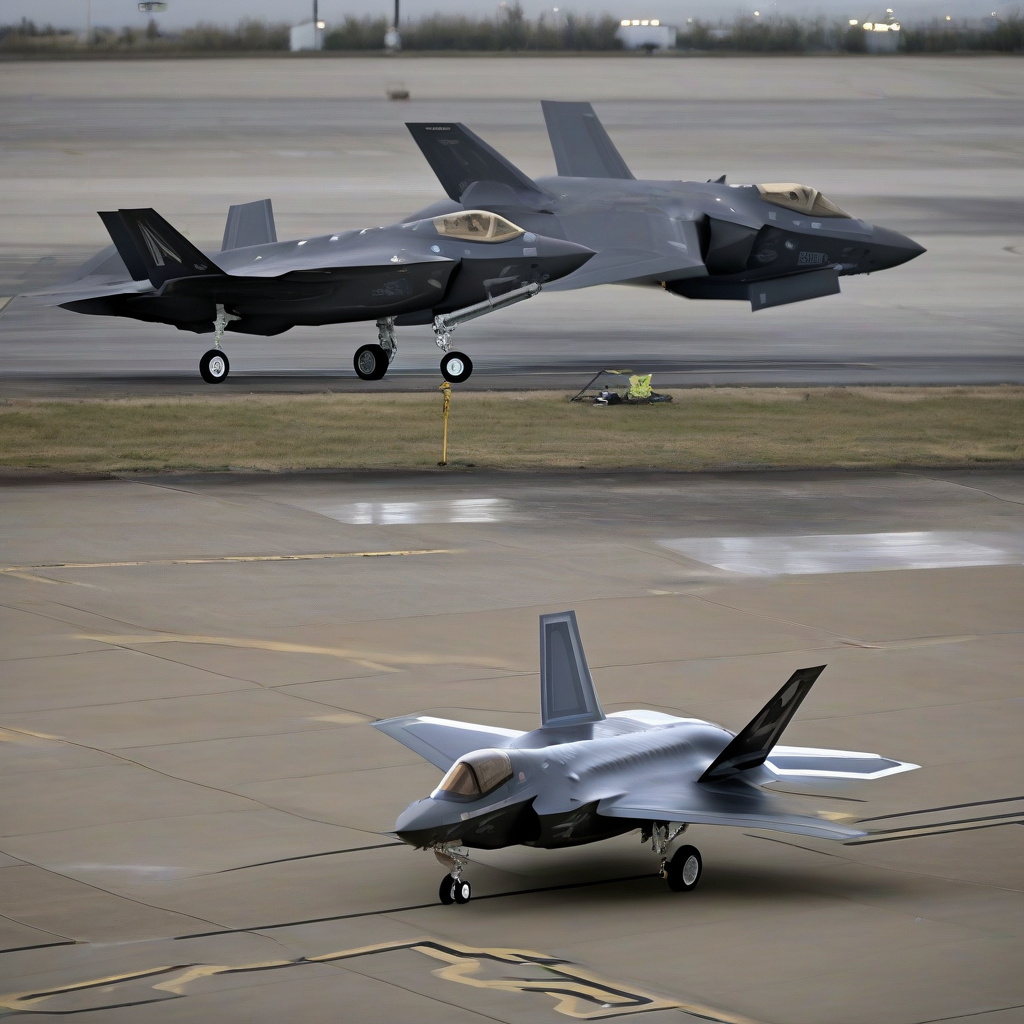

The Lockheed Martin F-35B Lightning II is serving as a direct generational upgrade to the legacy AV-8B Harrier II jump jets and their British-derived variants, according to Simple Flying. As global military forces update their air wings, the F-35B is steadily superseding the Harrier, an aircraft that fundamentally altered naval aviation by enabling fighter operations from compact carriers and amphibious assault vessels.
The Harrier platform earned its reputation for tactical versatility during the 1982 Falklands War, where it successfully reclaimed control of the air space against land-based Argentine fighters. However, the technological requirements of modern aerial combat have necessitated the move toward the F-35B platform, which integrates advanced sensor fusion and stealth capabilities that the original Harrier design, conceived decades ago, cannot match.
Comparison of Capability
| Feature | AV-8B Harrier II | F-35B Lightning II |
|---|---|---|
| Primary Role | V/STOL Light Attack | Multi-role Stealth Fighter |
| Development Era | 1970s/1980s | 2000s/2010s |
| Sensor Integration | Limited | Advanced Sensor Fusion |
| Operational Status | Being Phased Out | Active/Expanding |
Why It Matters
The transition from the Harrier to the F-35B is not merely a change in airframe; it represents a fundamental move toward network-centric warfare. By utilizing the F-35B, allied fleets can function as distributed nodes in a larger intelligence-gathering architecture. Unlike the Harrier, which relied primarily on pilot line-of-sight and basic radar, the F-35B shares real-time data with ships, ground units, and other aircraft. This shift allows smaller naval vessels to project power with the same information superiority previously reserved for large-deck carriers, fundamentally altering the calculus for regional maritime security and expeditionary warfare strategies.
Reader Discussion & Insights