
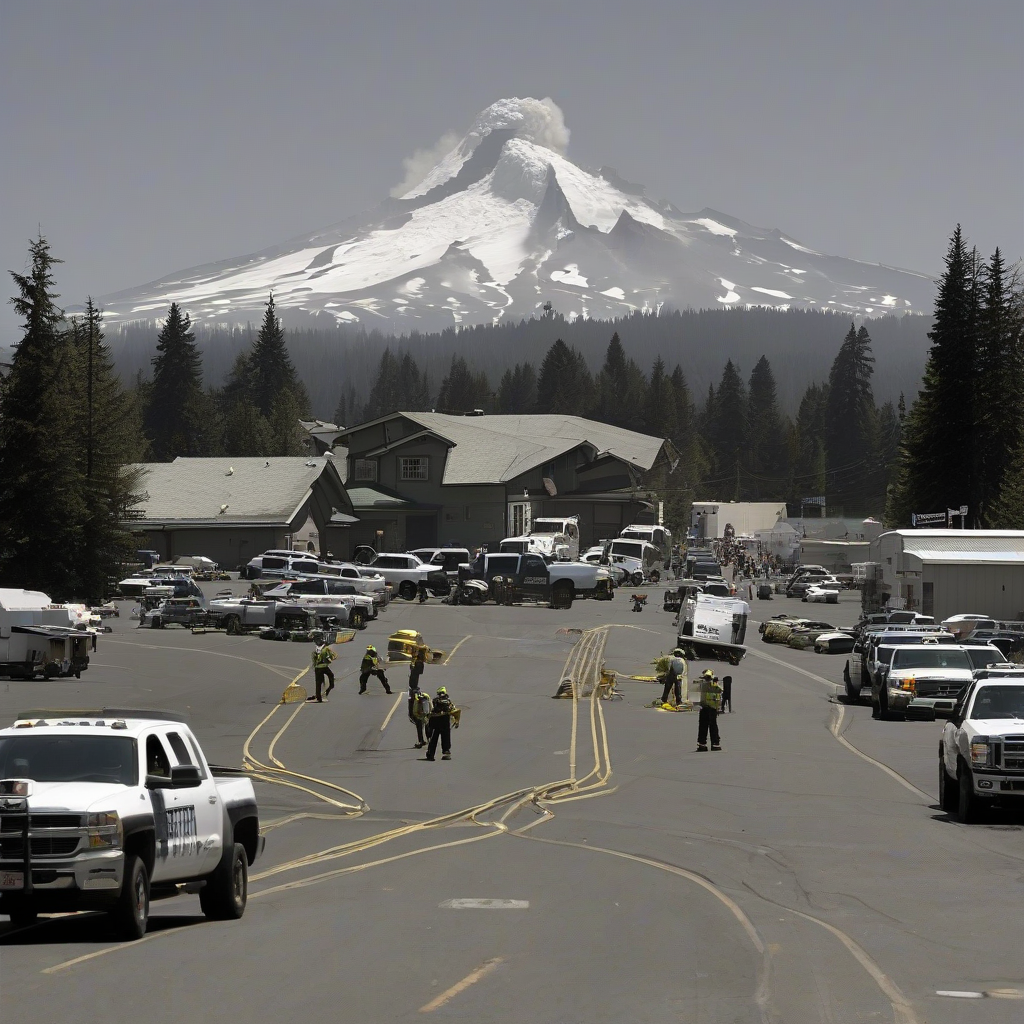
The Grasshopper Fire has prompted an immediate Level 3 evacuation order for the Mt. Hood Meadows area after the blaze shifted toward the west. According to Wildfire News, emergency management officials moved to increase evacuation status due to the changing direction of the fire, signaling an urgent threat to the region.
Level 3 designations require residents and visitors to leave the area immediately, as conditions are expected to deteriorate quickly. This order covers the specific vicinity of Mt. Hood Meadows, a location frequently visited for its recreational facilities. Authorities emphasize that this is a life-safety directive intended to minimize risk to the public as firefighting crews work to contain the spread.
Local authorities and emergency services monitor fire progression using standard hazard classification systems. The shift to the west suggests an unexpected expansion in the fire's perimeter, requiring rapid adjustments to established safety perimeters and containment strategies.
Incident Overview
| Feature | Status / Detail |
|---|---|
| Incident Name | Grasshopper Fire |
| Impacted Location | Mt. Hood Meadows |
| Alert Level | Level 3 (Go Now) |
| Primary Concern | Westward expansion |
Why It Matters
The activation of Level 3 alerts at Mt. Hood Meadows underscores the volatile nature of fire management in high-altitude, forested terrain. Beyond immediate safety risks, such incidents impact seasonal logistics and the long-term operational resilience of regional tourism infrastructure. For the ski and summer recreation industry, unexpected closures due to fire necessitate the development of more sophisticated crisis communication plans and rapid-response evacuation protocols. As climate patterns continue to influence fire behavior, the integration of real-time sensory data and automated alerting systems becomes a priority for operators managing assets in fire-prone zones.
Reader Discussion & Insights