
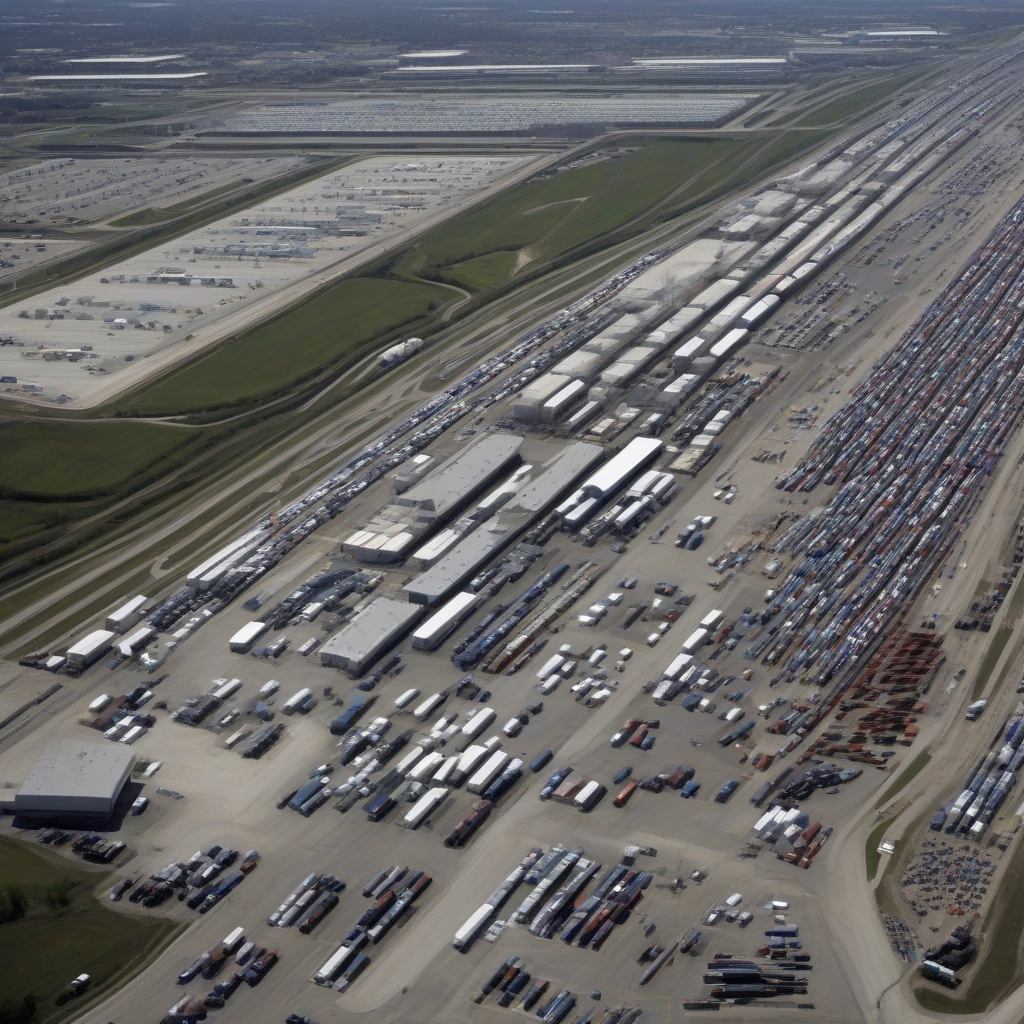
Large-scale truckload carriers are exhibiting a shift toward operational efficiency as capacity growth moderates. According to Journal of Commerce, the Truckload Capacity Index recorded a decline in the second quarter, indicating a move toward restraint within the sector. This contraction follows a notable increase observed in the first quarter, which industry analysts largely attributed to corporate acquisitions.
Capacity Index Analysis
The fluctuations in the index reflect how major carriers are adjusting their fleet sizes to align with fluctuating market demand. By prioritizing high-efficiency lanes and maximizing utilization, fleet operators are moving away from the aggressive growth patterns seen earlier in the year. The primary driver for the initial first-quarter surge was inorganic expansion, as large carriers consolidated market share through strategic mergers, a trend that has since stabilized.
| Period | Capacity Index Trend | Primary Driver |
|---|---|---|
| Q1 | Increase | Strategic Acquisitions |
| Q2 | Decrease | Operational Utilization |
Why It Matters
The moderation of capacity among large fleets signals a broader transition in the freight sector toward asset discipline. By focusing on maximizing utilization rather than expanding physical footprint, firms are insulating themselves against potential margin compression. This pivot suggests that carriers are preparing for a long-term stabilization in pricing power. For shippers, this indicates a tighter environment for contract renewals, as large carriers reduce the overhead associated with idle equipment. If this trend persists, the industry may see reduced spot market volatility, which could influence overall transportation inflationary pressures in the coming quarters.
Reader Discussion & Insights