
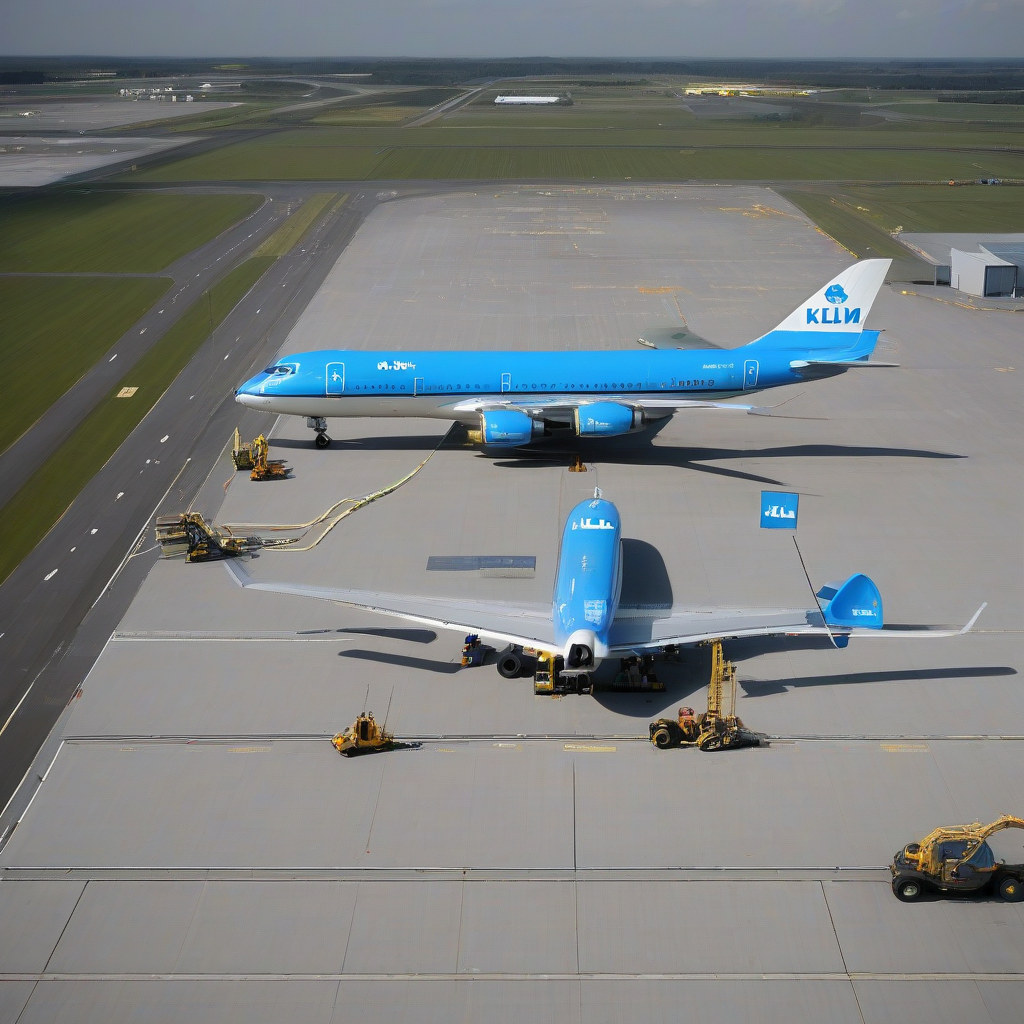

KLM Royal Dutch Airlines and SkyNRG are expanding their commitment to decarbonizing air travel through the advancement of a specialized production facility for sustainable aviation fuel (SAF), according to SAF News. This development represents a strategic push by the entities to scale the availability of low-carbon energy alternatives for the commercial aviation sector.
While the industry continues to grapple with the high costs and limited supply of bio-based fuels, the collaboration between the airline and the energy developer aims to shorten the supply chain gap. By focusing on dedicated production infrastructure, the partners intend to move beyond experimental batches toward more consistent output levels.
Current Production Strategy
| Feature | Details |
|---|---|
| Lead Partners | KLM Royal Dutch Airlines, SkyNRG |
| Primary Focus | Sustainable Aviation Fuel (SAF) Production |
| Objective | Increased scalability and operational integration |
According to SAF News, the partnership aligns with broader European initiatives to increase the blending mandates for SAF in commercial flights. The project utilizes localized expertise to refine feedstocks, which is a common challenge for airline operators seeking to lower their carbon intensity without compromising engine performance.
Why It Matters
The transition to sustainable fuels is the primary mechanism for airlines to meet increasingly stringent carbon reduction targets set by international regulators. By vertically integrating the production facility with airline demand, KLM and SkyNRG are bypassing the volatile spot market for biofuels. This model provides a blueprint for other carriers that require a secured, predictable supply chain to justify long-term capital investments in fleet modifications and carbon offsetting programs. As regional mandates expand, the ability to control production costs through direct facility investment will separate successful carriers from those reliant on premium-priced external procurement.
Reader Discussion & Insights